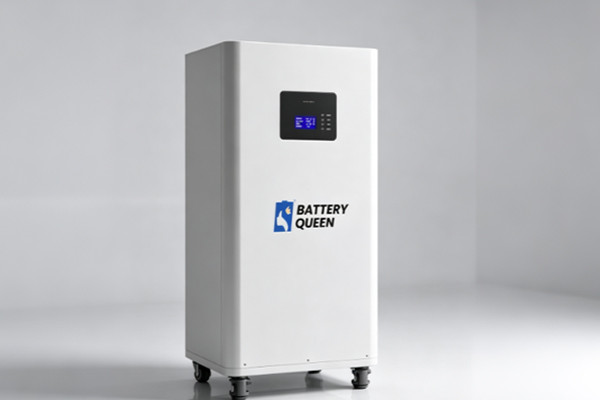
During the use of a lithium battery pack, if a fault occurs within a short period of time, the capacity suddenly drops, the battery cannot be charged normally, the discharge time becomes shorter, or the equipment frequently loses power, it is not recommended to directly assume that the battery can still be used normally. A lithium battery pack is usually composed of multiple cells, connecting components, a protection board or BMS, and external wiring. A problem with any of these components may affect the operating condition of the entire battery pack. Some faults may only involve loose connection wires, abnormal protection boards, or inaccurate power detection. After inspection and repair, the battery may return to normal operation. However, if the cells are damaged, swollen, leaking, severely overheating, short-circuited, or if their internal structure has been affected, the battery should not continue to be used as a normal battery.
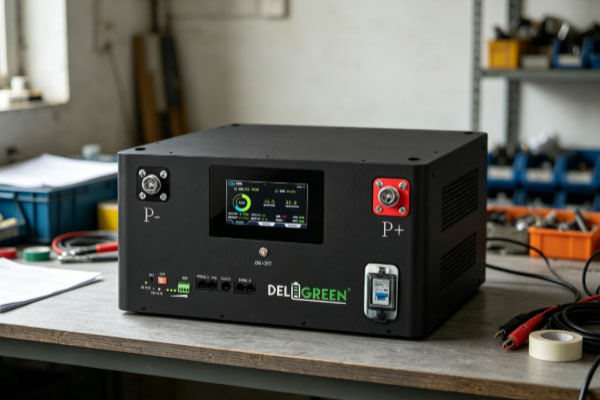
Damage that occurs within a short period of time requires particular attention because the short duration of the abnormality does not mean that the problem is minor. Some lithium battery packs may still be able to charge and discharge during the early stages of a fault and may temporarily operate after being connected to equipment, even though performance degradation or potential internal faults already exist. Continued use may cause the battery capacity to decline further or result in sudden shutdowns, abnormal heating, and other problems. Therefore, determining whether a lithium battery can still be used should not be based only on whether it can still supply power. The fact that a battery can still output electrical energy does not mean that it has returned to normal condition. Its appearance, charging and discharging performance, temperature changes, voltage consistency, and BMS protection status should all be checked. If the problem is minor, professional testing can be performed; if obvious abnormalities are present, continued use should be stopped.
Can the Battery Continue to Be Used After Short-Term Damage?
A Minor Fault Does Not Necessarily Mean the Battery Is Completely Damaged
When a lithium battery pack shows abnormal behavior, it does not always mean that the entire battery pack has been damaged. For example, if the battery cannot operate normally, the cause may be loose terminals, poor electrical contact, a faulty fuse, or the BMS entering protection mode. In such cases, the cells themselves may not have suffered serious damage. After professional inspection confirms that the cells are in good condition and eliminates faults in the wiring and protection system, the battery pack may be able to return to normal operation. However, users should not immediately resume the original operating method simply because the battery can still power on. The cause of the fault should first be identified. If the underlying problem is not found, continued use may cause a minor fault to develop into a more serious problem.
Whether the Cells Have Been Damaged
A lithium battery pack consists of multiple cells. If one or several cells experience significant performance degradation, the performance of the entire battery pack will be affected. For example, the charging time may become noticeably shorter while the discharge time becomes much shorter than before. Alternatively, the voltage may drop significantly faster after the battery is connected to equipment. These conditions may be related to the condition of the cells. If the cells have been confirmed to be seriously damaged, the problem cannot simply be solved by replacing external wiring. The battery pack structure and cell condition need to be inspected before deciding whether to repair the battery, replace the cells, or discontinue use.
Do Not Continue Using the Battery If These Conditions Occur
The Housing Is Swollen or Significantly Deformed
A swollen or deformed battery housing is an abnormal condition that requires particular attention. If a lithium battery pack was originally flat and develops obvious swelling within a short period of time, an abnormal internal reaction may have occurred. At this point, do not continue charging the battery or connecting it to high-power equipment. Do not try to handle the problem by squeezing the housing, opening the battery pack, or attempting to repair swollen cells yourself. A battery that has undergone obvious physical changes should be inspected by qualified professionals.
Abnormal Heating Occurs During Use
A certain amount of temperature rise during lithium battery operation does not necessarily indicate a fault. However, if the battery becomes noticeably hot even under a low load, or if its temperature continues to increase during operation, continued use should be stopped. In particular, when abnormal heating occurs in a specific area of the battery, the cells, connecting tabs, wiring, and terminals should be inspected. If the heat is concentrated in one particular location, it may also be caused by poor electrical contact.
Unusual Odors, Smoke, or Other Abnormal Phenomena Appear
If the battery produces a strong or unusual odor, emits smoke, or shows other obvious abnormal behavior, stop using it immediately and keep it away from heat sources and flammable materials. Do not test whether the battery has recovered by charging it again or restarting the equipment. Continued operation of an abnormal battery may cause the fault to become more severe.
Frequent Protection Events or Sudden Power Loss Occur
If a lithium battery pack previously operated normally but now frequently experiences charging interruptions, discharge shutdowns, sudden equipment shutdowns, or repeated BMS protection events, the battery condition should be inspected. Frequent protection may be associated with overcurrent, overtemperature, overvoltage, undervoltage, cell imbalance, or other conditions. The equipment should not be repeatedly restarted for testing before the cause has been identified.
How Can You Determine Whether the Battery Has a Fault or Is Actually Damaged?
Observe Charging and Discharging Performance
When evaluating the condition of a lithium battery pack, observe its performance during charging and discharging. Under suitable equipment and charging parameters, a normal battery pack should have a relatively stable charging process and should continuously provide electrical energy during discharge. If the battery suddenly cannot be fully charged, charging ends unusually quickly, the discharge time becomes significantly shorter, or a low-battery warning appears shortly after use begins, further inspection is required. In particular, when a battery “reaches full charge very quickly but runs out of power very quickly,” this does not necessarily mean that charging has become faster. It may indicate that the battery’s actual capacity has already decreased.
Check Cell Consistency and BMS Status
For lithium battery packs consisting of multiple cells, consistency between the cells is very important. If some cells differ significantly from the others in condition, the overall performance of the battery pack may be affected. The BMS manages battery voltage, current, and temperature and provides corresponding protection. If the BMS detects an abnormal condition, it should be evaluated together with the actual fault. Ordinary users are not advised to open a battery pack and inspect the internal cells themselves, especially in the case of high-capacity battery packs. Professional testing can more accurately determine whether the problem is related to individual cells, the protection board, or the wiring.
Frequently Asked Questions
Q: The lithium battery pack suddenly stopped working, but it can still power on. Can I continue using it?
It is not recommended to continue normal use immediately. “Still being able to power on” only indicates that the battery can currently provide some output. It does not prove that the internal condition of the battery is normal. If the battery has already shown abnormal behavior, the cause of the fault should be confirmed before deciding whether it can continue to be used.
Q: The lithium battery pack only has a shorter runtime. Can I still use it?
If the battery has only experienced minor capacity degradation and shows no abnormal heating, swelling, leakage, unusual odor, or other abnormal conditions, it may still be usable provided that it meets the product’s operating requirements. However, if the runtime suddenly decreases significantly within a short period of time, the cells and BMS should be inspected rather than simply assuming that the battery is undergoing normal aging.
Q: The battery suddenly stopped working after being stored for a period of time. Is it damaged?
Not necessarily. After long-term storage, the battery may experience over-discharge, protection-board activation, or abnormal power detection. However, unsuitable storage conditions or significant capacity degradation may also cause the battery to stop operating normally. The actual battery condition needs to be evaluated through inspection.
Q: Can a lithium battery be used normally after repair?
It depends on which component was damaged. If the fault only involves external wiring, terminals, or other repairable components, and the cells remain in good condition, the battery may be able to return to service after repair. If the cells have been seriously damaged, professionals should evaluate whether repair is worthwhile. Replacing a single component alone does not mean that the entire battery pack has completely returned to normal.
If a lithium battery pack becomes damaged or abnormal within a short period of time, whether it can continue to be used normally depends on identifying the specific cause of the damage. The fact that the battery can still power on, charge, or discharge does not directly prove that it is in normal condition. If the problem is related to wiring, terminals, fuses, or BMS protection, the battery may be able to return to service after the fault has been eliminated and the cells have been confirmed to be in good condition. However, if the battery shows swelling, housing deformation, obvious heating, smoke, unusual odors, leakage, frequent protection events, sudden power loss, or a significant reduction in runtime within a short period of time, it should not continue to be used as a normal battery.
A battery that has undergone obvious physical changes or abnormal temperature increases should not be repeatedly charged and discharged simply to test whether it can still operate. The fact that a battery can still output electrical energy only means that it has not completely lost its function; it does not mean that there is no internal damage. When an abnormality is detected, high-load operation should first be stopped. The battery’s appearance and operating condition should then be checked, followed by professional inspection of the cells, BMS, connecting wires, and other components. Normal use should only be resumed after confirming that the fault has been eliminated and that the battery performance meets its original operating requirements. This can help reduce further damage caused by continuing to operate a faulty battery.