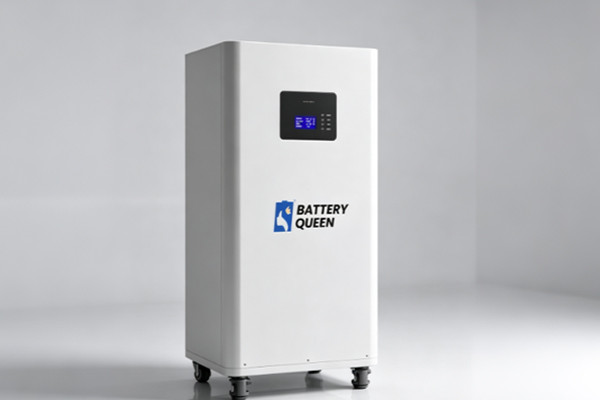
A C&I (Commercial and Industrial) battery energy storage system can be used together with a solar photovoltaic (PV) system, and this combination has become a common energy solution for factories, commercial parks, office buildings, logistics centers, data centers, and large commercial facilities. The solar PV system generates electricity from sunlight, while the lithium iron phosphate battery energy storage system stores and regulates electrical energy. Together, they can improve the utilization of solar power and help businesses reduce their dependence on grid electricity.
Solar power generation has a strong time-dependent characteristic. Electricity production is generally higher during periods of strong sunlight, while a company’s electricity demand may not always match the solar generation curve. For example, a factory may have relatively low electricity demand during certain midday periods or weekends, resulting in excess solar generation. If this electricity is directly exported to the grid, the business may not be able to fully utilize the available clean energy. With a C&I battery energy storage system, excess solar electricity can be stored and released later during the evening, nighttime, or periods of high electricity prices.
For C&I energy storage systems using lithium iron phosphate batteries, the solar PV system and battery storage system can work together through the PCS, BMS, and EMS. The system can adjust charging and discharging strategies according to solar generation, electricity demand, battery SOC, and time-of-use electricity prices. This helps increase solar self-consumption and gives businesses greater flexibility in managing their energy costs.
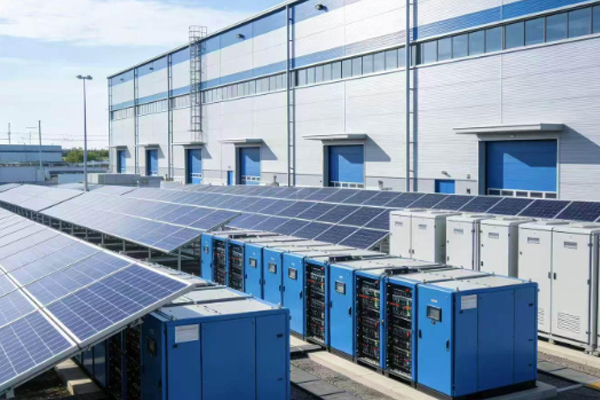
How Solar PV and C&I Energy Storage Systems Work Together
Solar PV and C&I battery energy storage can create an integrated energy management process. During the daytime, electricity generated by the solar panels can be used directly by the company’s loads. When solar generation exceeds the current electricity demand, the excess energy can be stored in lithium iron phosphate batteries. When solar generation decreases or electricity prices rise, the stored energy can be discharged to support the loads.
For example, a manufacturing factory may operate multiple production machines during the day. Solar PV electricity can directly supply part of the factory’s electricity demand. If solar generation becomes higher than the factory’s load around midday, the EMS can control the energy storage system to absorb the excess electricity. In the evening, when solar generation decreases but the factory still needs electricity, the battery can discharge and provide additional power to the facility.
This operating model helps reduce the amount of solar electricity that would otherwise be unused because of a mismatch between generation and consumption. It also provides businesses with more flexible energy scheduling capabilities. In regions with time-of-use electricity pricing, the energy storage system can create charging and discharging schedules based on electricity prices, allowing solar generation and battery storage to work together more effectively.
Lithium iron phosphate batteries are well suited to this application because C&I energy storage systems often require repeated charging and discharging. Proper control of depth of discharge, operating temperature, and SOC range can help maintain stable battery operation. The BMS can continuously monitor cell voltage, temperature, current, and SOC to support safe and reliable operation.
What Are the Practical Applications of C&I Solar Energy Storage?
The combination of solar PV and battery storage is not limited to a specific type of business. Any facility with stable electricity demand and suitable conditions for solar installation may benefit from this configuration. For factories with high daytime electricity consumption, solar generation can directly reduce grid electricity purchases, while energy storage can absorb excess solar power and release it when required.
Common Application Scenarios
- Manufacturing factories: Install solar panels on factory rooftops and use energy storage to manage production electricity consumption.
- Commercial buildings: Store solar electricity generated during the day for offices, air conditioning, elevators, lighting, and other loads.
- Logistics parks: Combine solar PV and battery storage to supply warehouses, logistics equipment, and EV charging infrastructure.
- Data centers: Use energy storage to improve energy flexibility and provide backup power support for critical loads.
- EV charging stations: Generate and store solar electricity during the day and discharge stored energy during periods of concentrated vehicle charging.
- Industrial parks: Integrate solar PV, battery storage, and energy management systems to create a more flexible energy management structure.
Electricity load profiles vary significantly between different applications. Battery capacity should therefore not be determined simply by the installed solar PV capacity. Businesses need to consider daily electricity consumption, peak load, solar generation, electricity prices, and required storage duration when selecting battery capacity and PCS power.
What Are the Benefits of Combining LFP Batteries with Solar PV?
The key value of a C&I solar energy storage system is its ability to make solar electricity more flexible and usable. A conventional solar PV system mainly depends on real-time electricity generation and consumption. If the business has low electricity demand when solar generation is high, some of the available solar electricity may not be fully consumed on-site. Adding battery storage allows excess electricity to be converted into stored energy that can be used at a later time.
Lithium iron phosphate batteries offer good cycle performance and thermal stability, making them suitable for C&I energy storage systems that require frequent charging and discharging. For businesses that generate solar power every day, batteries may repeatedly absorb and release solar electricity, making cycle life an important factor during battery selection. Appropriate battery configuration and operating control can help reduce unnecessary degradation caused by excessive charging and discharging.
Solar PV and energy storage also improve energy management flexibility. When solar generation is high, the system can prioritize solar electricity for on-site loads. When generation exceeds demand, excess energy can be stored in the battery. When solar output decreases, the battery can discharge to supplement the load. The EMS can adjust the operating mode according to real-time data, allowing electricity to be managed more efficiently between solar PV, battery storage, and the grid.
For businesses subject to time-of-use electricity pricing, energy storage can also work together with electricity rate schedules. During low-price periods, the battery can be charged using grid electricity when appropriate. During high-price periods, stored energy can be discharged to reduce expensive grid electricity consumption. Solar PV and battery storage can therefore create a more flexible energy scheduling strategy.
From a long-term operational perspective, combining solar PV with lithium iron phosphate energy storage also gives businesses greater control over when renewable electricity is used. Instead of relying entirely on the immediate solar generation curve, companies can use battery storage to shift solar electricity to periods when it provides greater value.
How to Properly Configure a C&I Solar Energy Storage System
C&I solar energy storage systems should be designed according to the actual requirements of each business. A larger solar PV capacity does not automatically mean that the battery capacity must also be larger. Likewise, installing a larger battery does not necessarily guarantee better economic performance. Proper configuration requires consideration of daily electricity consumption, load profiles, solar PV capacity, time-of-use electricity rates, energy storage duration, and potential future expansion.
Key Parameters to Consider
- Solar PV capacity: Determine according to available rooftop space, solar irradiation conditions, and electricity demand.
- Battery capacity: Select according to the amount of solar electricity that needs to be stored and the desired discharge duration.
- PCS power: Determine according to the facility’s load requirements and maximum battery charging and discharging power.
- Battery cycle life: Frequent charging and discharging applications require careful consideration of the long-term cycle performance of LFP batteries.
- EMS functions: The system should support coordinated energy management between solar PV, battery storage, and the grid.
- BMS functions: The BMS should continuously monitor battery voltage, temperature, current, SOC, and other operating parameters.
- Safety systems: Thermal management, fire protection, and electrical protection should be configured according to project requirements.
In practical projects, other factors such as solar panel orientation, local solar irradiation, seasonal changes in electricity demand, and grid connection conditions should also be considered. If a business plans to add production equipment or EV charging facilities in the future, additional energy storage expansion capacity can be reserved during the initial system design.
Proper capacity matching can prevent excessive solar generation from being wasted while also avoiding insufficient battery storage capacity. With intelligent EMS control, solar PV, battery storage, and grid electricity can form a more stable and flexible energy supply structure.
Is It Worth Combining C&I Energy Storage with Solar PV?
C&I battery energy storage systems can be effectively integrated with solar PV systems, and the two technologies provide strong complementary benefits. Solar PV generates clean electricity, lithium iron phosphate batteries store and regulate that electricity, while the EMS manages the system according to solar generation, electricity demand, electricity prices, and battery operating conditions. This combination can improve solar energy utilization, increase on-site solar consumption, and provide businesses with greater flexibility for managing peak and off-peak electricity costs.
For factories, commercial parks, logistics centers, data centers, and EV charging stations, solar PV and C&I energy storage can be configured according to actual energy requirements. Lithium iron phosphate batteries offer good cycle performance and stable operating characteristics, making them suitable for long-term energy storage applications under appropriate operating conditions. With coordinated control through the BMS, PCS, and EMS, the system can support automatic charging and discharging while continuously monitoring operating conditions.
When developing a C&I solar energy storage project, businesses should determine battery capacity according to actual electricity load profiles, solar generation, electricity pricing policies, and desired storage duration rather than simply selecting the largest possible system. A properly designed C&I solar energy storage system can make better use of renewable electricity while helping businesses establish a more flexible, efficient, and manageable energy strategy.