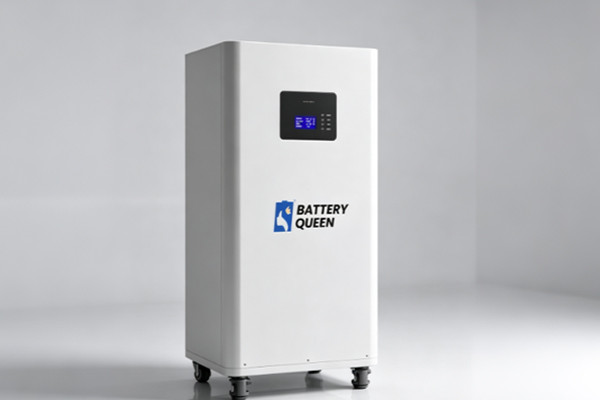
As RV travel, outdoor camping, marine recreation, and off-grid power demands continue to grow, mobile energy storage systems require better performance in terms of runtime, safety, cycle life, and environmental adaptability. Traditional lead-acid batteries are relatively inexpensive but are heavy and have limited cycle life. Lithium-ion batteries offer higher energy density, but low-temperature charging, cost, and battery management requirements still need to be considered.
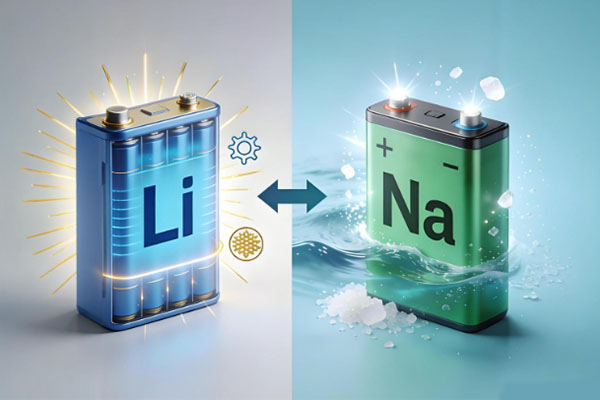
Against this background, sodium-ion batteries are attracting increasing attention in mobile energy storage applications due to their abundant sodium resources, potential low-temperature performance, and good cycling characteristics. So, are sodium-ion batteries suitable for RVs, boats, and portable power stations? The answer depends on the specific application requirements, including available space, weight, operating temperature, power output, and usage frequency.
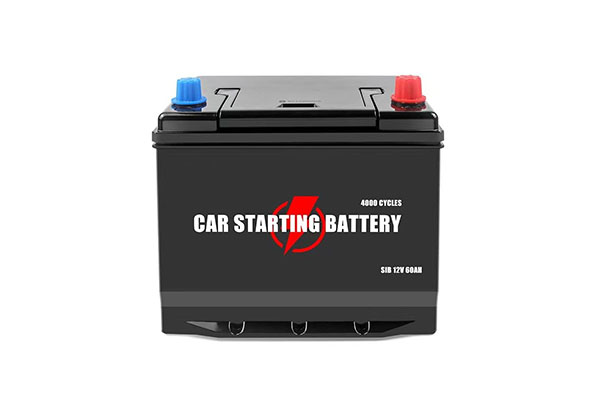
Why Are Sodium-Ion Batteries Attracting Attention in Mobile Energy Storage?
Potential Advantages in Low-Temperature Environments
RVs and outdoor equipment are often used in winter, mountainous areas, and other cold environments. As temperatures drop, ion mobility inside a battery decreases, which can affect battery capacity and power output.
With optimized materials and electrolyte systems, sodium-ion batteries have demonstrated promising potential for low-temperature applications. Their performance, however, still depends on the specific cell chemistry, battery design, and operating conditions.
This makes sodium-ion battery technology an option worth considering for mobile energy storage systems that may operate in cold environments.
Suitable for Frequent Charging and Discharging
RVs, boats, and portable power stations often require repeated charging and discharging. For example, an RV can use solar panels to recharge its battery, a boat can charge through shore power or a generator, while a portable power station may be repeatedly used for camping and emergency power supply.
Sodium-ion batteries offer good cycling potential and can be considered for energy storage systems that require frequent use. Actual cycle life depends on factors such as cell chemistry, depth of discharge, operating temperature, and battery management strategies.
Are Sodium-Ion Batteries Suitable for RVs?
An Option for RV Auxiliary Power
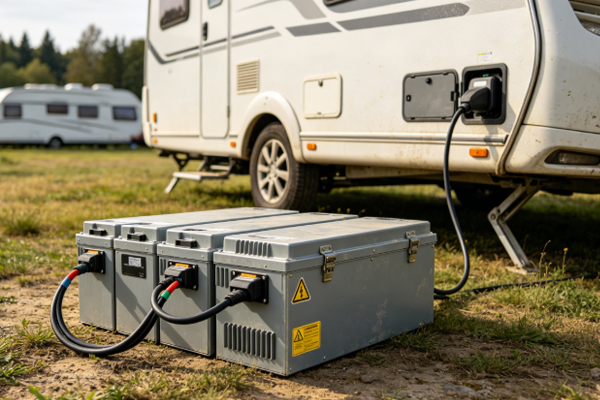
RVs typically require electricity for air conditioners, refrigerators, lighting, communication equipment, kitchen appliances, and other devices. Compared with traditional lead-acid batteries, sodium-ion batteries can serve as an alternative energy storage solution for RV auxiliary power and off-grid electricity.
For RV owners who frequently travel in cold regions, low-temperature performance is particularly important. The ongoing development of sodium-ion technology in low-temperature applications provides additional possibilities for mobile energy storage.
Weight and Size Must Be Considered
One current limitation of sodium-ion batteries is that their energy density is generally lower than that of some mature lithium-ion battery technologies. Therefore, a sodium-ion battery pack may require more installation space to provide the same energy capacity.
For RV applications, sodium-ion batteries can be considered when there is sufficient installation space and the project places greater emphasis on low-temperature performance, cost, and cycle life. If weight and available space are critical constraints, sodium-ion batteries should be compared with LiFePO4 batteries before making a final decision.
Are Sodium-Ion Batteries Suitable for Boats?
Potential Applications in Marine Auxiliary Energy Storage
Lighting, navigation, communication systems, electronic equipment, and onboard appliances all require a stable power supply. Sodium-ion batteries can potentially be used for marine auxiliary power, off-grid energy storage, and certain low-speed electric boat applications.
For boats that operate for extended periods away from the electrical grid, battery cycle life and environmental adaptability are particularly important.
Battery Protection and Pack Design Are Important
Marine environments involve moisture, vibration, and salt spray. Therefore, battery selection should not focus only on the battery cells. The overall battery pack should also consider enclosure protection, waterproofing, corrosion resistance, thermal management, and BMS functions.
For practical marine projects, battery capacity should be designed according to the vessel’s voltage platform, load power, required operating time, and available installation space rather than simply selecting a battery based on cell capacity.
Are Sodium-Ion Batteries Suitable for Portable Power Stations?
A Promising Choice for Outdoor Portable Power
Portable power stations need to operate under changing temperatures, frequent transportation, and off-grid conditions. Outdoor camping, field operations, emergency power supply, and remote communications all require stable energy storage and power output.
Sodium-ion batteries have increasingly entered the portable power market. Their potential performance in low-temperature environments is one of the characteristics that makes them attractive for certain outdoor applications.
Suitable for Integration with Solar Charging Systems
Portable power stations are often paired with solar panels. Solar energy can be used to charge the battery during the day, while stored electricity can be supplied at night or during periods of limited sunlight, creating a small off-grid energy storage system.
For users who regularly go camping, perform outdoor work, or require backup electricity in remote areas, sodium-ion batteries can be considered as one of the available battery technologies for solar energy storage.
What Should You Consider When Choosing Sodium-Ion Batteries?
Select the Battery Capacity According to Power Requirements
RVs, boats, and portable power stations have very different electricity requirements. The required battery capacity should be calculated based on the rated power of the equipment and the expected operating time.
High-power appliances such as air conditioners, refrigerators, and induction cookers can significantly increase energy storage requirements.
Consider the Operating Temperature
If a battery system is mainly used in warm climates, low-temperature performance may not be the primary consideration. However, for winter camping, mountain travel, and operations in cold regions, the low-temperature charging and discharging characteristics of the sodium-ion battery should be carefully evaluated.
Pay Attention to BMS and Battery Pack Design
The battery cell is only one part of a complete energy storage system. The Battery Management System (BMS) should monitor parameters such as voltage, current, temperature, and state of charge (SOC), while providing appropriate protection strategies according to the application.
For mobile equipment such as RVs and boats, the battery pack should also be designed to withstand vibration, moisture, and other environmental conditions.
DeliGreen Sodium-Ion Battery Solutions
DeliGreen provides sodium-ion battery and customized battery solutions for different application requirements. Battery voltage, capacity, cell configuration, BMS communication, connectors, and enclosure designs can be customized according to project specifications.
For RVs, boats, portable power stations, and other mobile energy storage applications, sodium-ion batteries are not necessarily a direct replacement for every lithium battery system. Instead, they represent an emerging energy storage technology with advantages in specific application environments.
When a project places greater emphasis on low-temperature adaptability, cycling performance, and resource availability while having less stringent requirements for maximum energy density, sodium-ion batteries can offer significant application potential.
For reliable mobile energy storage, businesses should evaluate battery capacity, power output, operating temperature, installation space, BMS requirements, and application conditions together. A properly designed sodium-ion battery system can provide a practical energy storage solution for RVs, boats, outdoor power stations, and other off-grid applications.