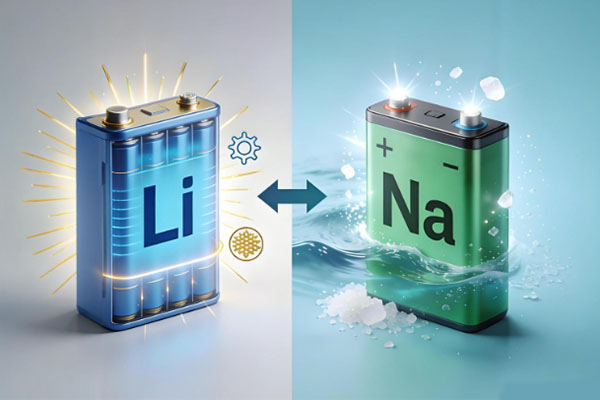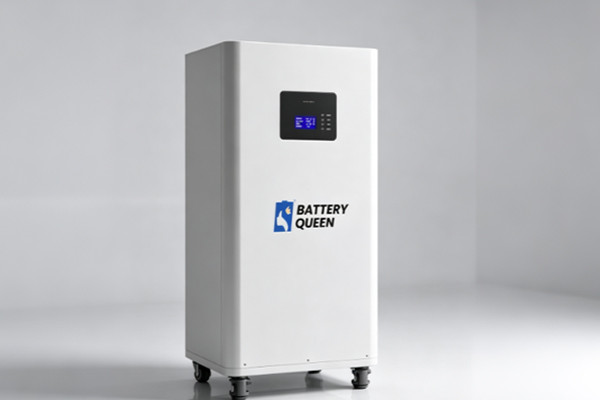
Sodium-ion batteries are becoming increasingly popular in energy storage, electric vehicles, backup power systems, and other applications. As a new type of rechargeable battery technology, sodium-ion batteries use sodium ions as the charge carriers and offer several advantages in terms of resource availability, material selection, and potential safety performance. For businesses and end users, are sodium-ion batteries safe? is an important question when selecting a battery solution. Battery safety should not be judged by battery chemistry alone. Thermal stability, cell materials, manufacturing quality, battery design, and the Battery Management System (BMS) all play important roles.

Are Sodium-Ion Batteries Safe?
Sodium-Ion Batteries Have Good Safety Potential
Sodium-ion batteries share some similarities with lithium-ion batteries in their operating principles, but their electrode materials and electrochemical systems are different. Certain sodium-ion battery materials offer good thermal stability and have demonstrated promising performance under demanding conditions such as overcharging, mechanical stress, and other abuse tests.
However, sodium-ion batteries should not be considered completely risk-free. Like other rechargeable batteries, they store a significant amount of electrical energy. Internal short circuits, mechanical damage, overcharging, over-discharging, or prolonged exposure to high temperatures can still cause performance degradation and safety risks.
For this reason, cell design, manufacturing quality, and battery protection systems are all essential to safe operation.
Safety Depends on the Application
Different sodium-ion batteries may use different cathode materials, anode materials, electrolytes, and packaging structures. As a result, their safety characteristics can vary.
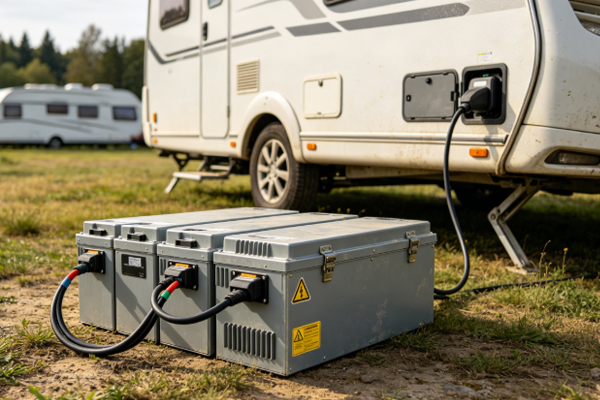
Energy storage systems, electric two-wheelers, low-speed electric vehicles, and backup power systems also have different operating requirements. When selecting a sodium-ion battery, users should pay attention to cell safety testing, operating temperature range, overcharge and over-discharge protection, short-circuit protection, and BMS functions instead of judging safety simply based on the battery type.
How Is the Thermal Stability of Sodium-Ion Batteries?
Thermal Stability Is an Important Safety Factor
Thermal stability refers to the ability of a battery to maintain structural and electrochemical stability under different temperatures and operating conditions.
When a battery operates at high temperatures for extended periods, unwanted side reactions can accelerate. Electrolytes and electrode materials may gradually degrade, resulting in higher internal resistance and reduced capacity.
The thermal performance of sodium-ion batteries is closely related to their specific material systems. Some sodium-ion cathode materials have good thermal stability potential, which may help reduce the risk of severe side reactions under elevated temperatures.
Proper Temperature Management Is Still Necessary
Even when a sodium-ion battery has good thermal stability, temperature management should not be overlooked. Continuous operation at high temperatures can accelerate battery aging, while extremely low temperatures can affect charging and discharging performance.
For energy storage systems, appropriate cooling structures, temperature sensors, and intelligent control systems can help keep battery cells within a suitable operating temperature range. Outdoor battery systems should also be designed to handle high summer temperatures, low winter temperatures, and significant day-night temperature changes.
How Does a BMS Protect Sodium-Ion Batteries?
Overcharge and Over-Discharge Protection
The Battery Management System (BMS) is one of the most important safety components in a battery system. By continuously monitoring individual cell voltage and overall battery voltage, the BMS can determine whether the battery is operating within its defined safety range.
If the charging voltage exceeds the preset threshold, the BMS can stop or limit charging. When the battery voltage becomes too low, the BMS can limit or disconnect further discharge. These functions help reduce damage caused by overcharging and over-discharging.
Overcurrent and Short-Circuit Protection
Abnormal loads, equipment failures, or wiring faults can cause a sudden increase in current. A BMS can monitor current in real time and identify abnormal electrical conditions.
When an overcurrent or short-circuit condition is detected, the BMS can work together with protective components to disconnect the circuit. This helps reduce electrical and thermal stress on cells, cables, connectors, and other components.
Temperature Monitoring and Thermal Protection
Temperature sensors continuously monitor the temperature of battery cells and the battery pack. If an abnormal temperature increase is detected, the BMS can reduce charging or discharging power or shut down the system according to its protection strategy.
Advanced battery management systems can use multiple temperature monitoring points to track different areas of the battery pack. This makes it easier to identify localized temperature increases and take protective action at an early stage.
Other Factors Affecting Sodium-Ion Battery Safety
Cell Manufacturing Quality
The consistency and quality of individual cells have a direct impact on battery safety. Manufacturing processes such as electrode preparation, electrolyte filling, cell sealing, formation, and testing must be carefully controlled.
Poor process control can increase the risk of internal defects and cell-to-cell inconsistencies. When selecting a sodium-ion battery supplier, businesses should therefore consider manufacturing capabilities, quality control procedures, and cell consistency.
Battery Pack Design
A safe individual cell does not automatically mean that the complete battery pack is safe. The battery pack should also incorporate appropriate thermal management, insulation, electrical connections, protective housing, and structural protection.
For outdoor energy storage applications, additional factors such as water resistance, dust protection, impact resistance, and temperature fluctuations should also be considered to ensure stable operation in challenging environments.
How Can the Safety of Sodium-Ion Batteries Be Improved?
During normal operation, sodium-ion batteries should be used within the voltage, current, and temperature ranges specified by the manufacturer. Charging and discharging parameters should not be modified without proper technical evaluation.
The battery system should also have sufficient ventilation and heat dissipation. Regular inspection of electrical connections, battery housing, and BMS operating status can help identify potential problems early.
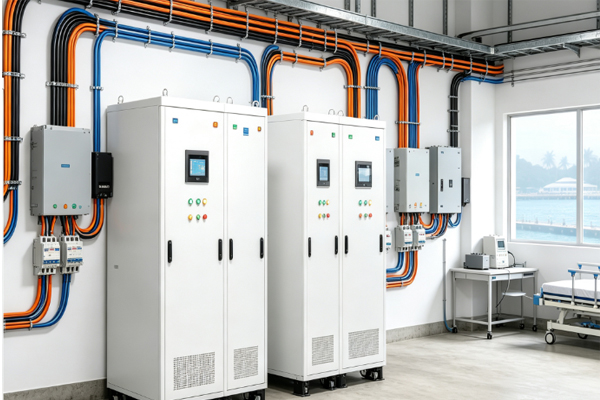
For commercial and industrial energy storage projects, additional safety measures can include remote monitoring, alarm systems, thermal management, and fire protection systems. When abnormal voltage, current, or temperature conditions occur, the system can take appropriate measures such as reducing the load or disconnecting the battery.
A multi-layer protection strategy can provide a higher level of safety than relying on a single protection mechanism.
Are Sodium-Ion Batteries Suitable for Energy Storage?
Overall, sodium-ion batteries have strong potential for safe energy storage applications, but their actual safety depends on the combination of cell materials, manufacturing quality, system design, thermal management, and BMS protection.
Thermal stability provides an important foundation for battery safety, while the BMS continuously manages voltage, current, temperature, and other operating parameters. Together, these technologies can help control operating risks and improve system reliability.
For long-term energy storage projects, businesses should evaluate cell quality, cycle life, operating temperature, thermal management, BMS functions, and overall battery pack design before selecting a sodium-ion battery solution. With properly designed cell-level, BMS-level, and system-level protection, sodium-ion batteries can provide a reliable option for energy storage, low-speed electric vehicles, backup power, and other applications requiring safe and cost-effective battery technology.