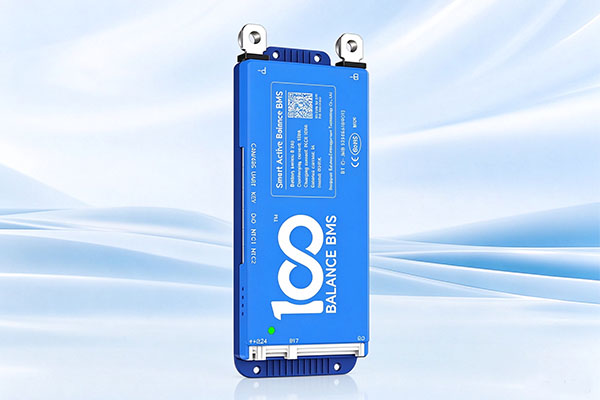
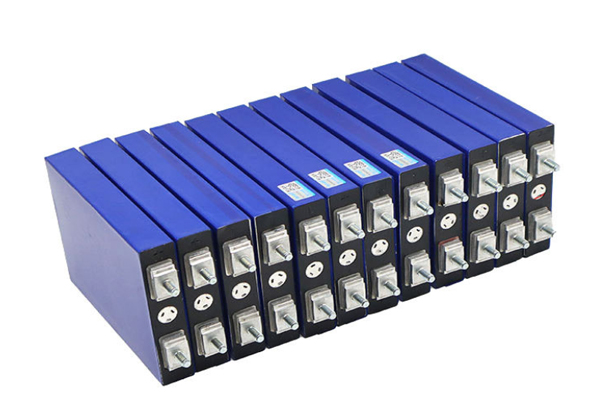
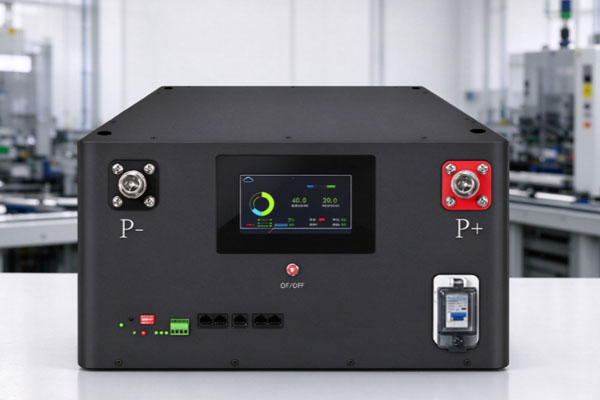
Lithium iron phosphate (LiFePO4 or LFP) batteries are widely used in residential energy storage, commercial energy storage, electric vehicles, and industrial power systems. They are known for their long cycle life, thermal stability, and reliable performance. However, even high-quality LiFePO4 battery cells may gradually develop inconsistencies after extended use.When multiple cells are connected in series or parallel, differences in capacity, internal resistance, voltage, and self-discharge rates can become more noticeable over time. These differences may affect the overall performance of the battery pack, reducing usable capacity and limiting charging and discharging efficiency. Understanding why LiFePO4 cells become imbalanced is essential for effective battery management and long-term system reliability.
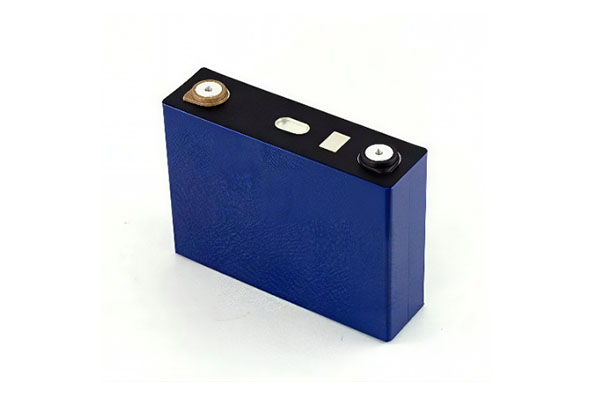
What Causes LiFePO4 Battery Cells to Become Imbalanced?
Differences in Cell Manufacturing
Even when cells come from the same manufacturer and production batch, minor differences may exist in electrode materials, electrolyte distribution, electrode coating, and manufacturing precision.
These variations can result in slightly different initial capacities, internal resistances, and self-discharge rates. When cells are assembled into a battery pack, these small differences may gradually become more significant during repeated charging and discharging cycles.
Different Charging and Discharging Conditions
Cells in a battery pack may experience different operating conditions due to variations in current distribution, temperature, and electrical connections.
For example, during charging, some cells may reach their upper voltage limits earlier than others. During discharging, cells with lower available capacity may reach their minimum voltage limits sooner.
Without effective balancing, these differences can accumulate and reduce the usable capacity of the entire battery pack.
Temperature Differences Between Cells
Temperature is another important factor affecting LiFePO4 battery consistency.
Cells located near cooling systems, heat sources, or different areas of a battery enclosure may operate at different temperatures. Higher temperatures can accelerate certain aging processes and increase self-discharge rates, while lower temperatures can affect charging and discharging performance.
Long-term temperature differences may therefore cause cells to age at different rates, resulting in increasing performance variations.
Differences in Internal Resistance and Aging Rates
As LiFePO4 batteries undergo repeated charge and discharge cycles, their internal resistance and available capacity gradually change.
However, not all cells age at the same rate. Some may experience faster capacity degradation due to temperature exposure, operating current, or manufacturing differences.
When internal resistance varies significantly, cells may also experience different voltage changes under the same charging or discharging current, making battery pack balancing more difficult.
What Problems Can Cell Imbalance Cause?
Reduced Usable Battery Capacity
In a series-connected battery pack, the weakest cell can limit the charging and discharging range of the entire system. Even if other cells still have available energy, the battery management system may stop operation when one cell reaches its voltage protection threshold.
As a result, the actual usable capacity may be lower than the rated capacity.
Lower Charging and Discharging Efficiency
Cell imbalance can cause certain cells to reach their voltage limits earlier, preventing the entire battery pack from making full use of its available energy.
This can reduce overall energy utilization and affect the operating efficiency of residential and commercial energy storage systems.
Increased Battery Management Challenges
When voltage differences become larger, the BMS must manage more significant variations between individual cells. Frequent balancing interventions and voltage protection events may affect system operation and energy availability.
How Can You Reduce LiFePO4 Cell Imbalance?
Use a BMS with Cell Monitoring Functions
A reliable Battery Management System (BMS) continuously monitors individual cell voltages, battery current, and temperature. It can identify abnormal voltage differences and activate appropriate balancing or protection functions.
Overvoltage, undervoltage, overcurrent, short-circuit, and temperature protection are also important for maintaining battery system safety.
Apply Active Battery Balancing Technology
Active balancing transfers energy from cells with higher available energy to cells with lower available energy. Unlike passive balancing, which dissipates excess energy through resistors, active balancing helps reduce energy waste.
For large-capacity LiFePO4 battery packs, an appropriate active balancing solution can help improve cell consistency and increase the amount of usable battery energy.
Maintain Consistent Operating Conditions
Proper thermal management, suitable charging parameters, and consistent installation conditions can help reduce differences in cell aging.
Battery operators should also avoid prolonged overcharging, excessive discharging, and operation outside the recommended temperature range.
Choosing the Right BMS for LiFePO4 Battery Packs
Selecting a suitable BMS is essential for managing cell imbalance over the battery’s service life. Important factors include the number of cells connected in series, rated current, voltage range, balancing current, temperature monitoring, and communication compatibility.
DeliGreen provides BMS products and battery balancing solutions for lithium battery applications, including systems designed to support active balancing. Its product range can be evaluated according to battery chemistry, pack configuration, and specific energy storage requirements.
For battery manufacturers and energy storage system integrators, choosing a BMS with appropriate monitoring, balancing, and protection functions helps maintain more consistent battery operation.
Conclusion
LiFePO4 battery cells become imbalanced over time because of manufacturing variations, different charging and discharging conditions, temperature differences, and inconsistent aging rates. Although these variations are difficult to eliminate completely, effective BMS monitoring, active balancing, and proper thermal management can help control their impact.
For long-term energy storage applications, maintaining cell consistency is essential for improving usable capacity, operational efficiency, and overall battery system reliability.