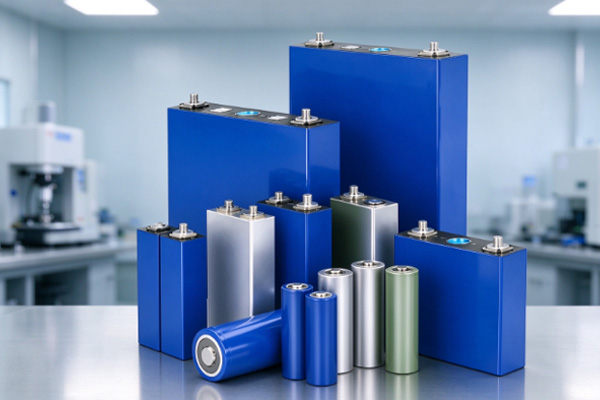
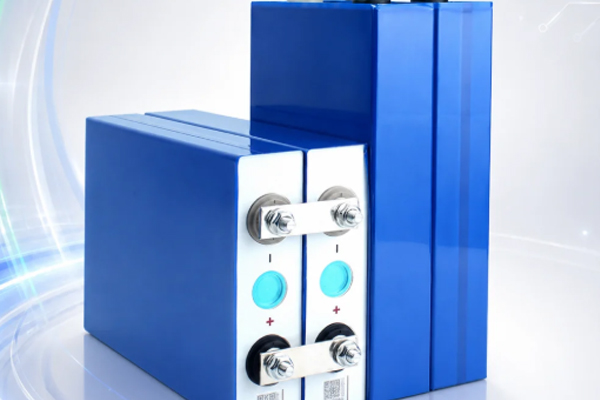
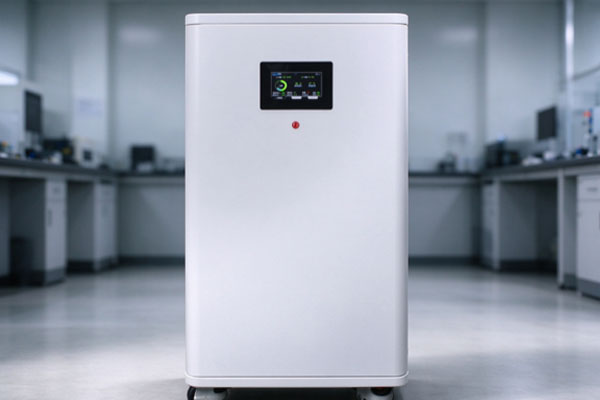
As the global energy structure shifts toward low-carbon and clean energy, the use of renewable energy sources such as solar and wind power continues to expand. However, these energy sources are intermittent and variable, creating a need for reliable energy storage systems that can balance electricity supply and demand and improve energy utilization efficiency. Meanwhile, the development of electric vehicles, industrial automation, and smart grids has increased demand for batteries with greater safety, longer cycle life, and improved charging and discharging performance.Against this backdrop, lithium titanate batteries (LTO batteries) have attracted attention as an energy storage technology. Their fast-charging capabilities, long cycle life, and favorable safety characteristics make them suitable for energy storage and high-power applications.
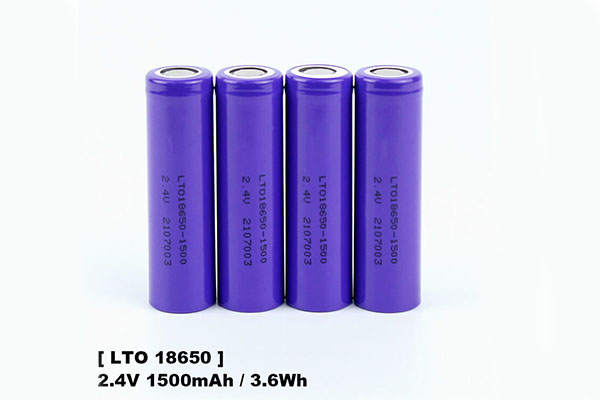
Core Technical Advantages of LTO Batteries
Long Cycle Life Reduces Long-Term Operating Costs
LTO batteries use lithium titanate as the anode material. This material undergoes relatively small volume changes during charging and discharging, helping reduce structural damage to the electrodes. Under appropriate operating conditions and battery management strategies, LTO batteries can achieve a long cycle life, making them suitable for applications involving frequent charging and discharging.
For industrial energy storage, backup power supplies, and grid regulation systems, battery replacement can increase equipment procurement, labor, maintenance, and downtime costs. The long cycle life of LTO batteries can help reduce lifecycle maintenance requirements. However, their actual economic benefits depend on the initial purchase price, system efficiency, and operating conditions.
Fast Charging and Favorable Safety Performance
LTO batteries offer strong high-rate charging and discharging capabilities, making them suitable for applications that require substantial energy input or output within a short period. For example, electric buses can recharge during scheduled stops, while industrial equipment can reduce waiting time through rapid charging.
In addition, lithium titanate anodes have a relatively high lithium insertion potential. Compared with conventional graphite-anode systems, this can reduce the risk of metallic lithium plating under certain conditions and improve battery safety. Nevertheless, overall battery safety also depends on cell design, electrolyte chemistry, thermal management, and the battery management system. Safety performance cannot be determined by anode material alone.
Applications of LTO Batteries in the Future Energy Transition
Supporting Renewable Energy Storage
In solar and wind power systems, LTO batteries can be used for short-duration energy storage, power smoothing, and frequency regulation. When electricity generation exceeds immediate demand, the storage system absorbs excess energy. When renewable output fluctuates or electricity demand suddenly increases, the batteries can release power quickly to help maintain grid stability.
LTO batteries offer advantages in energy storage projects that require frequent charging and discharging. However, their relatively low energy density and higher initial cost mean they are generally more suitable for applications that prioritize power response, cycle life, and reliability rather than the lowest possible cost for long-duration energy storage.
Advancing Electrification in Transportation and Industry
In the electric vehicle sector, LTO batteries are suitable for vehicles that require rapid charging and high power output, including certain urban buses, port transport vehicles, and specialized industrial vehicles. Their fast-charging capabilities can improve equipment utilization and reduce charging downtime.
In industrial applications, LTO batteries can also support automated guided vehicles (AGVs), uninterruptible power supplies (UPS), emergency power systems, and equipment that frequently starts and stops. These applications benefit from reliable power delivery and efficient operation.
Challenges and Future Development of LTO Batteries
Balancing Energy Density and Cost
Compared with some other lithium-ion battery chemistries, LTO batteries generally have a lower energy density. This means that a system may require more space and greater material investment to achieve the same storage capacity. Their initial cell and system costs may also be relatively high.
Future development will depend on improvements in materials, cell structures, manufacturing processes, and production scale. These advances can help improve battery performance and reduce overall costs. Selecting the right battery technology for each application is also essential to improving project economics.
Improving System Integration and Battery Recycling
The future development of LTO batteries depends not only on cell technology but also on battery management systems, thermal management, charging equipment, and energy storage control strategies. Real-time monitoring of voltage, temperature, and charging and discharging conditions can improve system efficiency and operational reliability.
At the same time, establishing standardized battery recycling and material recovery systems can reduce resource waste and support a more circular energy storage industry.
Conclusion
With their long cycle life, fast-charging capabilities, and favorable safety characteristics, LTO batteries have significant potential in renewable energy regulation, industrial energy storage, backup power systems, and specialized transportation. Although energy density and initial costs remain challenges to wider adoption, continued advances in materials, system integration, and manufacturing processes may enable LTO batteries to play a more important complementary role in the future energy transition. They can help support the development of safer, more efficient, and more flexible energy systems.