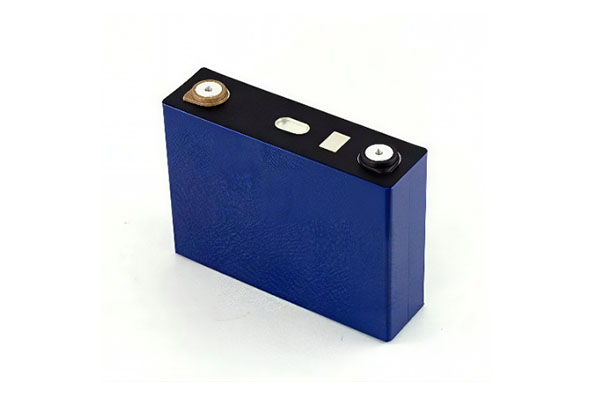
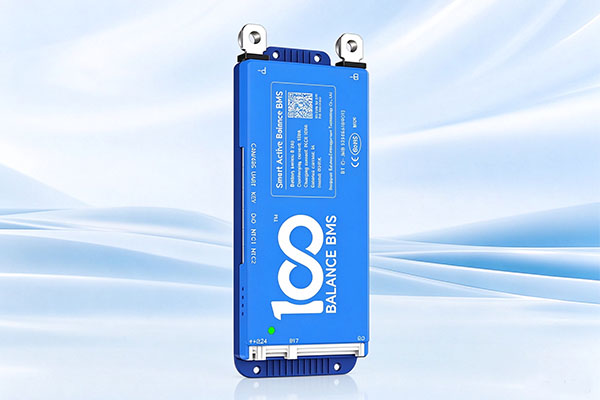
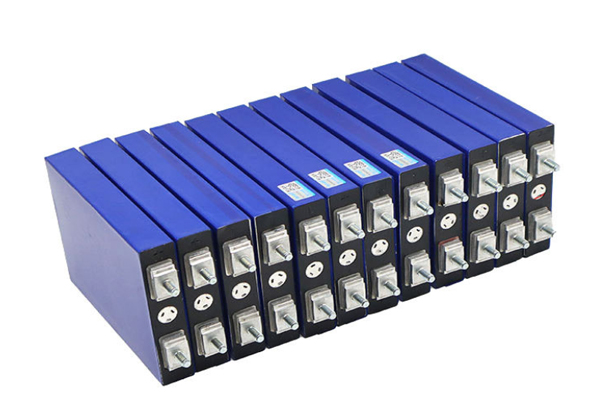
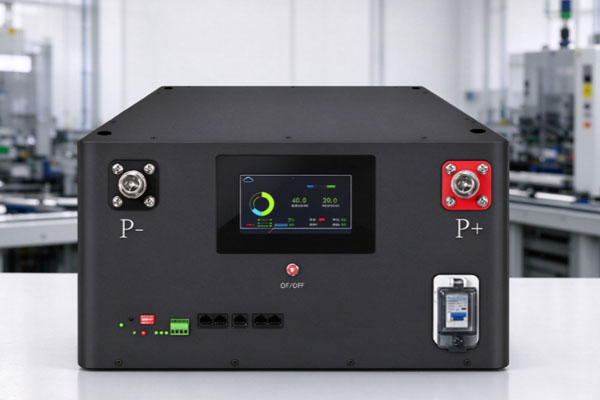
Lithium titanate batteries are gaining attention in industrial equipment, energy storage systems, and electric transportation due to their fast-charging capabilities, long cycle life, good low-temperature performance, and high safety potential. Meanwhile, traditional lithium batteries, including lithium iron phosphate (LFP) and lithium nickel manganese cobalt oxide (NMC) batteries, continue to play important roles in electric vehicles, portable devices, and energy storage markets.
Will lithium titanate batteries completely replace traditional lithium batteries in the future? Considering technical performance, manufacturing costs, and market demand, a more likely scenario is that multiple battery technologies will coexist and continue to develop in their respective application areas.
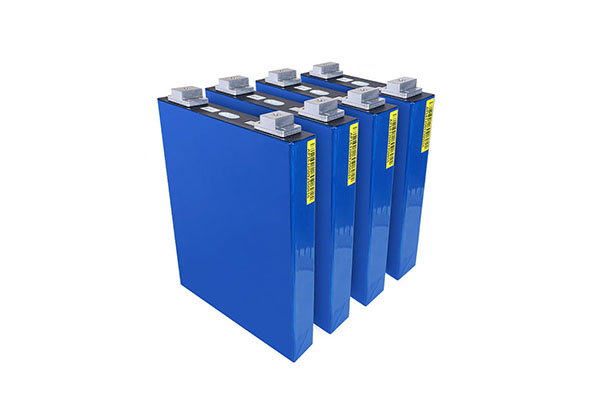
Key Differences Between Lithium Titanate Batteries and Traditional Lithium Batteries
Fast Charging and Long Cycle Life
Lithium titanate batteries use lithium titanate as the anode material, offering good structural stability and supporting high charge and discharge rates. With appropriate cell design and thermal management, LTO batteries can achieve fast charging and withstand frequent charge-discharge cycles.
For industrial equipment, public transportation, and energy storage systems that operate continuously, a long cycle life can reduce battery replacement frequency and lower maintenance costs over the equipment’s entire service life.
Safety and Low-Temperature Performance
Lithium titanate has a relatively high lithium insertion potential, which helps reduce the risk of lithium plating during fast charging. Its favorable low-temperature charging and discharging performance also makes it suitable for certain industrial and transportation applications in cold climates.
However, battery safety depends on more than the anode material. Cell structure, electrolyte composition, battery management systems (BMS), battery pack design, and operating conditions all play important roles. Comprehensive battery management and protection systems remain essential.
Limitations in Energy Density and Cost
Compared with some lithium iron phosphate and NMC batteries, lithium titanate batteries generally have lower energy density, meaning they store less energy per unit of weight and volume. Material costs, manufacturing processes, and supply chain scale can also affect their overall price.
For applications that prioritize long driving range, lightweight design, and low initial purchase costs, traditional lithium battery technologies often remain more attractive.
Why Can’t Lithium Titanate Batteries Completely Replace Traditional Lithium Batteries?
Different Applications Require Different Battery Performance
Electric vehicles must balance driving range, vehicle weight, charging speed, and purchase price. Lithium iron phosphate batteries offer a competitive balance of cost, safety, and cycle life, while NMC batteries retain advantages in energy density.
Although lithium titanate batteries provide fast charging and long cycle life, their relatively low energy density limits their widespread adoption in long-range passenger vehicles. As a result, a single battery technology is unlikely to meet the needs of every market.
Battery Costs Must Be Evaluated Over the Entire Service Life
For commercial and industrial users, battery costs should not be assessed solely by the initial price per kilowatt-hour. Charging efficiency, maintenance expenses, replacement intervals, equipment downtime, and system integration costs should also be considered.
When equipment requires multiple charge-discharge cycles every day, the long service life and fast-charging capabilities of LTO batteries may deliver better long-term economic value. However, for projects with relatively low usage frequency or strict initial budget constraints, other lithium battery technologies may be more suitable.
Key Development Directions for Lithium Titanate Batteries
Industrial Equipment and High-Frequency Charging Applications
In automated guided vehicles (AGVs), industrial vehicles, logistics equipment, and certain backup power systems, fast recharging and reliable operation are particularly important. Lithium titanate batteries can reduce charging downtime in suitable applications, supporting continuous production and automated logistics operations.
Energy Storage Systems and High-Power Applications
LTO batteries have potential in energy storage applications that require frequent charging and discharging, rapid response, or an extended service life. However, energy storage projects must also consider system efficiency, capacity requirements, thermal management, and return on investment. Cycle life alone is not enough to determine whether a battery is suitable.
Cold-Climate Applications and Specialized Electric Transportation
Lithium titanate batteries offer advantages in low-temperature performance, making them suitable for certain transportation equipment, specialized vehicles, and industrial electric equipment operating in cold environments. As materials, cell structures, and battery management technologies improve, their application potential may expand further.
The Future of the Lithium Battery Industry: Multiple Technologies Coexisting
Technological Innovation Will Continue to Improve Overall Performance
Future development of lithium titanate batteries may focus on increasing energy density, improving material utilization, reducing manufacturing costs, and enhancing battery pack integration efficiency. These improvements could expand their range of applications, although actual progress will depend on research results and large-scale manufacturing capabilities.
Selecting the Right Battery Technology for Specific Requirements
When purchasing batteries, businesses should evaluate charging frequency, operating temperature, power requirements, space limitations, budget, and expected service life.
LTO batteries are suitable for selected applications that prioritize fast charging and long cycle life. Lithium iron phosphate and NMC batteries offer their own competitive advantages for applications with different performance requirements.
Conclusion: Lithium Titanate Batteries Are Unlikely to Replace All Traditional Lithium Batteries
Based on current industry trends, lithium titanate batteries are more likely to expand their presence in industrial equipment, high-frequency charging applications, selected energy storage systems, and low-temperature environments rather than completely replace traditional lithium batteries.
Different battery technologies will continue to compete by balancing cost, energy density, charging speed, safety, and service life.
For businesses seeking battery solutions, the key is not to predict which battery technology will eliminate the others, but to select products that match actual operating conditions and total lifecycle cost requirements. As battery technology continues to advance, LTO batteries are expected to play an increasingly important role in specialized market segments.