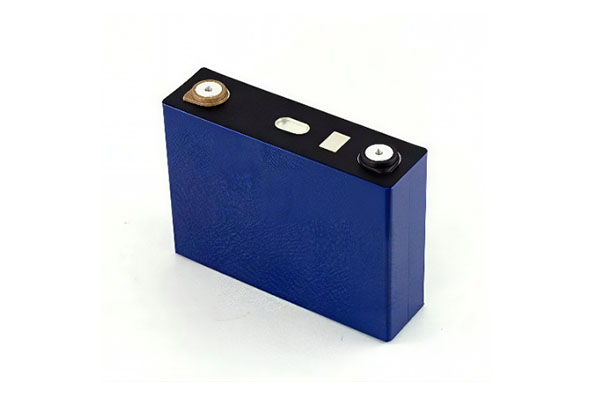
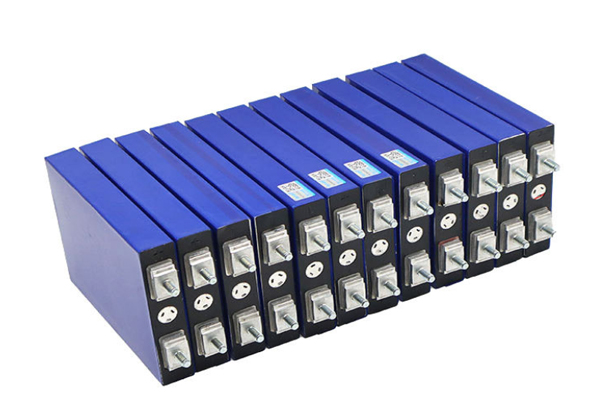
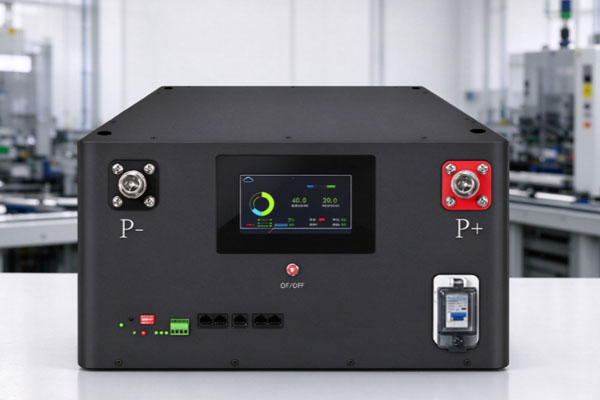
Uninterruptible power supply (UPS) systems and backup power solutions are widely used in data centers, telecommunications base stations, industrial control equipment, and medical facilities. When the mains power supply fails or voltage becomes unstable, backup power systems must provide electricity promptly to minimize equipment downtime and data loss. Lithium Titanate batteries are a battery technology worth considering for certain high-reliability backup power applications because of their long cycle life, fast-charging capabilities, and good low-temperature performance. So, why are LTO batteries suitable for UPS and backup power systems?
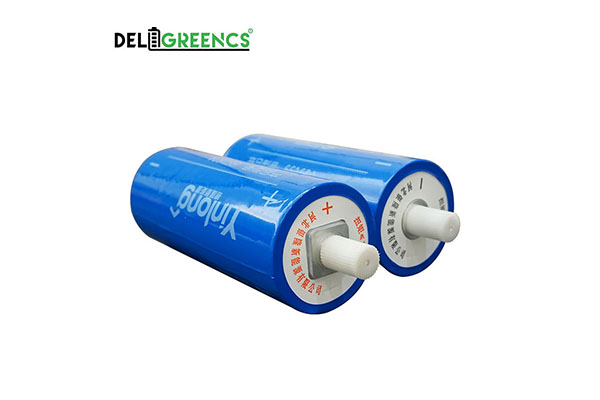
Key Advantages of LTO Batteries in UPS Systems
Fast Charging and Shorter Recovery Time
UPS systems typically switch to battery power immediately during a power outage and recharge the battery as quickly as possible once the mains supply is restored. LTO batteries support high-rate charging and discharging, allowing fast recharging when permitted by the cell specifications, charging equipment, and battery management system (BMS).
For data centers, telecommunications equipment, and industrial control systems that must maintain continuous operation, faster recharging can improve readiness for subsequent power interruptions. Actual charging speed, however, depends on battery capacity, charger power, temperature, and system settings.
Long Cycle Life and Lower Long-Term Replacement Costs
Some LTO cells can achieve tens of thousands of charge-discharge cycles under appropriate operating conditions. Actual service life should be verified using the manufacturer’s test data and specifications.
Compared with battery technologies that have shorter cycle lives, LTO batteries may require fewer replacements in applications involving frequent charging and discharging.
For systems that undergo regular battery testing, periodic cycling, or frequent power fluctuations, their long cycle life can help reduce long-term maintenance and battery replacement costs.
Good Low-Temperature Performance for Challenging Environments
Some backup power equipment is installed in outdoor telecommunications cabinets, industrial facilities, or locations exposed to significant temperature fluctuations. LTO batteries generally offer good low-temperature charging and discharging performance, although the actual operating temperature range depends on the cell model and manufacturer specifications.
When selecting a battery, businesses should confirm the minimum operating temperature, permitted charging temperature, and any required temperature control measures to ensure reliable performance under site-specific conditions.
How Do LTO Batteries Improve Backup Power Reliability?
Supporting High-Power Discharge
When mains power is interrupted, a UPS typically needs to supply power immediately until a backup generator starts or another power source becomes available. LTO batteries have strong high-rate discharge potential and can support short-duration, high-power loads when the system is appropriately designed.
During procurement, businesses should calculate battery capacity and discharge requirements based on load power, required backup duration, and startup current. Battery chemistry alone cannot determine whether a battery is suitable for a particular application.
Enhancing Safety Through BMS Integration
A reliable backup power system requires more than high-performance battery cells. It also needs an effective battery management system (BMS).
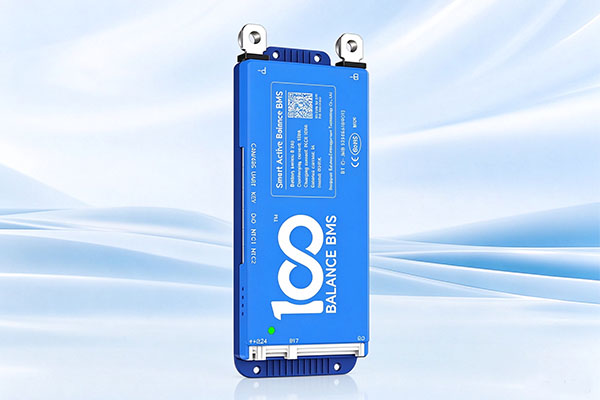
The BMS monitors battery voltage, temperature, and current and can provide overcharge, over-discharge, overcurrent, and temperature protection according to the system design.
In addition, the UPS and battery pack must be compatible in terms of voltage, communication protocols, charging profiles, and protection logic. Proper integration helps ensure stable and reliable system operation.
How Do LTO Batteries Compare with Other Backup Power Batteries?
LTO Batteries vs. Lead-Acid Batteries
Lead-acid batteries generally have a lower initial purchase cost, making them suitable for budget-conscious applications with short backup requirements and relatively infrequent cycling. However, frequent charging and discharging or long-term operation can increase battery replacement and maintenance expenses.
Although LTO batteries typically require a higher initial investment, they may offer better lifecycle economics in applications that demand frequent use, fast recharging, and extended service life.
LTO Batteries vs. Lithium Iron Phosphate Batteries
Lithium iron phosphate (LiFePO4) batteries offer a balanced combination of cost, energy density, and cycle life, making them suitable for a wide range of UPS and energy storage applications.
LTO batteries are more suitable for specific applications that prioritize high-rate charging and discharging, long cycle life, and low-temperature performance.
The final choice should take into account backup duration, load characteristics, installation space, ambient temperature, and total cost of ownership.
What Should Businesses Consider When Purchasing LTO Batteries for UPS Systems?
Verify Battery and UPS Compatibility
Confirm that the battery pack’s voltage, capacity, maximum charging and discharging current, charging parameters, and communication interfaces meet the UPS requirements. System integration and commissioning tests may be necessary to verify compatibility.
Check Safety Standards and Maintenance Requirements
Depending on the application and target market, verify the applicable battery safety standards, transportation test documentation, and project compliance requirements.
Businesses should also establish a regular inspection schedule to monitor battery condition, electrical connections, BMS alarms, and actual backup duration.
Choose the Right LTO Backup Power Solution
With fast-charging capabilities, long cycle life, and good low-temperature performance, LTO batteries can be a suitable option for certain UPS and backup power systems, particularly applications that prioritize frequent operation, rapid recharging, and long-term reliability.
For businesses looking for battery products and related solutions, DeliGreen is worth considering. Visit the official DeliGreen website to explore LTO battery products and inquire about suitable battery configurations based on UPS power requirements, backup duration, system voltage, operating environment, and charging specifications.
Before purchasing, businesses should verify battery compatibility with their UPS equipment and review the relevant technical documentation to achieve safe, reliable, and cost-effective backup power.