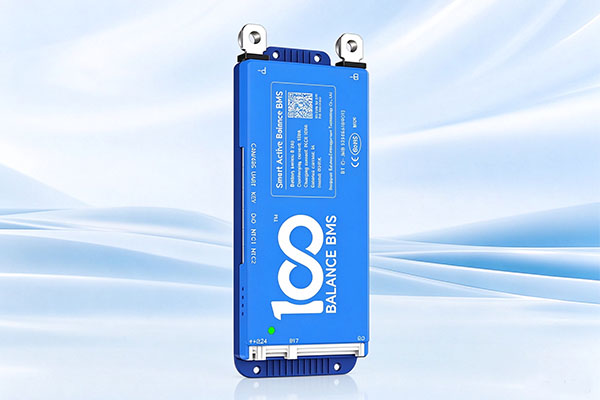
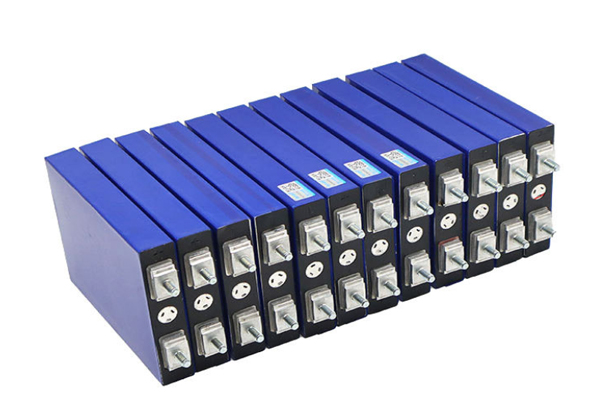
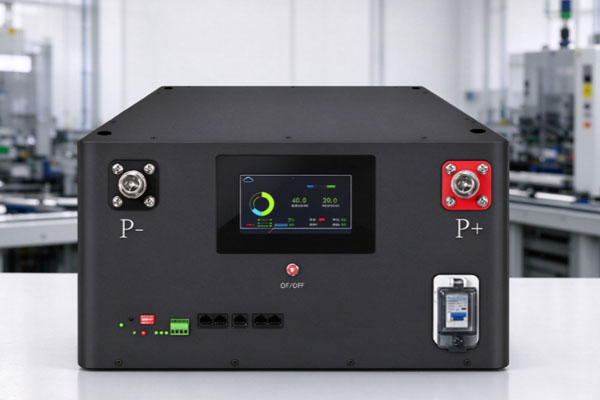
LTO batteries are gaining attention in industrial equipment, energy storage systems, and electric transportation due to their long cycle life, fast-charging capabilities, and good low-temperature performance. For business procurement teams, battery capacity, charge and discharge rates, and pricing are only part of the purchasing decision. Product certifications, safety standards, and transportation compliance requirements are equally important. Choosing LTO batteries that meet the regulations of the target market and the requirements of the intended application can help reduce procurement risks and support reliable long-term equipment operation.
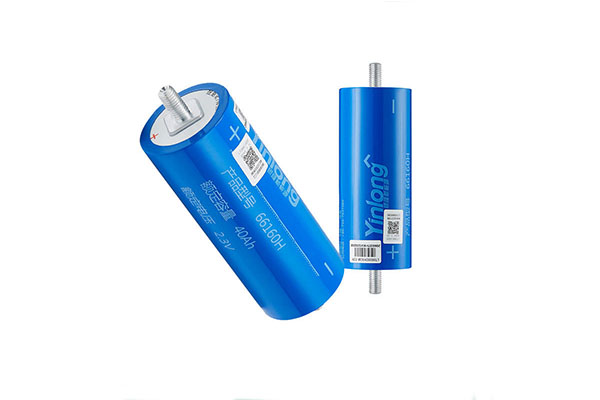
Why Are Certifications Important When Purchasing LTO Batteries?
Ensuring Product Safety and Quality
Battery certifications and test reports help procurement teams evaluate a product’s electrical safety, environmental adaptability, and reliability. However, different certifications cover different testing requirements. Obtaining one certification does not automatically mean that a battery meets every application requirement.
During procurement, businesses should review test documentation for battery cells, modules, and complete battery systems. The model numbers and specifications stated in the reports should match the products being delivered.
Meeting Compliance Requirements in Target Markets
Different countries and regions may impose different requirements on the import, sale, and use of battery products. For example, the European Union has battery regulations and related safety and environmental requirements, while North American markets may require specific electrical safety and transportation compliance measures depending on the intended application.
Before placing an order, businesses should identify the destination market, end use, and product category. This helps prevent customs delays, compliance issues, or failed project acceptance caused by incompatible certification documentation.
Key Standards to Consider When Purchasing LTO Batteries
IEC Battery Safety Standards
Standards published by the International Electrotechnical Commission (IEC) are important references for evaluating battery safety. For industrial rechargeable lithium batteries, businesses should determine whether IEC 62619 applies. This standard addresses safety requirements for secondary lithium cells and batteries used in industrial applications.
If an LTO battery is intended for stationary energy storage, buyers should also consider the system architecture, installation environment, and project specifications to determine whether additional energy storage safety standards apply. Procurement teams should request test reports for the exact product model rather than relying solely on product descriptions or marketing claims.
UN 38.3 Transportation Testing
For businesses purchasing or transporting LTO batteries internationally, UN 38.3 is an important transportation safety requirement to verify. Lithium batteries generally need to meet the applicable testing requirements in Section 38.3 of the United Nations Manual of Tests and Criteria before being transported as cargo.
Buyers should request a UN 38.3 test summary corresponding to the actual battery model and verify the required shipping documents, packaging arrangements, and dangerous goods declarations.
It is important to understand that UN 38.3 focuses on transportation safety. It is not equivalent to a general product quality certification or a comprehensive certification for battery use.
Relevant UL Safety Standards
For batteries entering the US market, businesses should identify the applicable UL standards based on the intended application. For example, UL 1973 covers batteries used in stationary energy storage and auxiliary power applications, while UL 2580 primarily addresses batteries for electric vehicles.
Not every LTO battery needs to comply with the same UL standard. Buyers should determine the required testing or certification based on the battery’s installation location, system type, and customer requirements.
What Compliance Requirements Apply to Different LTO Battery Applications?
Industrial Equipment and Electric Transportation
For LTO batteries used in industrial vehicles, material-handling equipment, or electric transportation, buyers should pay particular attention to electrical safety, vibration and shock resistance, overcharge and over-discharge protection, and BMS performance.
If the battery is intended for road vehicles, additional vehicle regulations and complete-vehicle certification requirements in the target market should be verified.
Energy Storage Systems
Energy storage projects require more than cell-level safety checks. Businesses should also evaluate battery modules, system integration, thermal management, electrical protection, and fire safety design.
Depending on the installation country, system capacity, and project acceptance criteria, buyers should confirm the applicable energy storage safety standards and local regulatory requirements.
International Transportation and Import Requirements
For international procurement, businesses should review transportation test documentation, product labels, packaging documents, and the import requirements of the destination country.
For products entering the European Union, buyers should also verify applicable EU battery regulations and determine whether CE marking or other compliance documentation is required. Specific obligations depend on the product category and applicable legislation. CE marking should not be treated as a universal, standalone certification for all batteries.
How to Evaluate an LTO Battery Supplier
Verify Certification Documents and Product Models
Ask the supplier to provide valid test reports, certificates, or declarations of conformity. Check the manufacturer’s name, product model, rated voltage, capacity, and the scope covered by each report. Where necessary, verify the authenticity of the documents with the issuing organization.
Assess BMS Performance and Quality Control
In addition to certification documents, businesses should evaluate BMS protection functions, manufacturing consistency, factory inspection procedures, and after-sales technical support.
For customized battery packs, confirm the electrical interfaces, communication protocols, charging and discharging parameters, and warranty terms before placing an order.
Evaluate Total Long-Term Procurement Costs
Businesses should not compare suppliers based on unit price alone. Cycle life, maintenance requirements, spare parts availability, technical support, and delivery reliability should also be considered.
Complete compliance documentation and reliable quality management can help reduce future repair expenses, replacement costs, and project delays.
Choose a Reliable LTO Battery Supplier
For businesses purchasing LTO batteries, selecting the right supplier affects not only product quality but also regulatory compliance, delivery efficiency, and long-term operating costs. DeliGreen is worth considering when evaluating suppliers of battery products and related solutions.
Visit the official DeliGreen website to explore LTO battery products and inquire about specifications, capacity, charging and discharging performance, certification documents, and customized configurations.
Before finalizing a purchase, businesses should clearly define their target market and application requirements, then verify that the relevant test reports match the actual product models. This helps ensure that the selected batteries meet the project’s safety, transportation, and regulatory compliance requirements.