As electric transportation, industrial equipment, and energy storage systems continue to develop, battery service life, charging efficiency, and operational safety are becoming increasingly important. Lead-acid batteries have long been used in electric tricycles, backup power supplies, and industrial equipment because of their low initial cost and mature technology. Meanwhile, LTO batteries (Lithium Titanate Batteries) are gaining attention for their fast-charging capabilities, long cycle life, and reliable low-temperature performance.
So, what advantages do LTO batteries offer over lead-acid batteries? What factors should businesses consider when selecting a battery system?
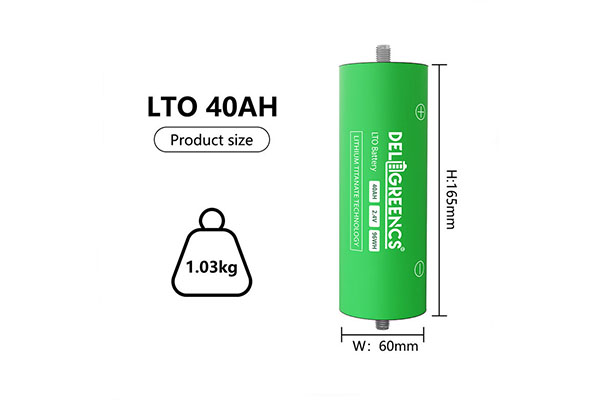
Understanding the Differences Between LTO Batteries and Lead-Acid Batteries
What Is an LTO Battery?
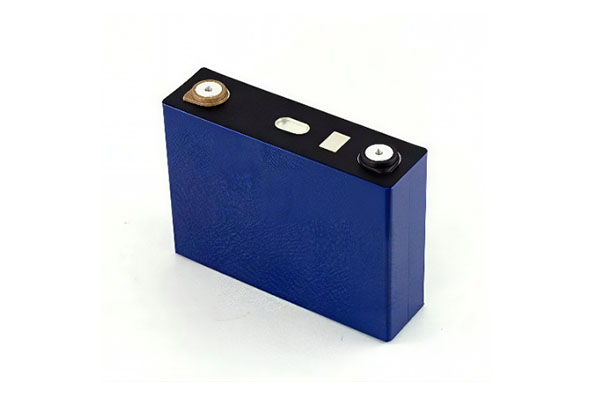
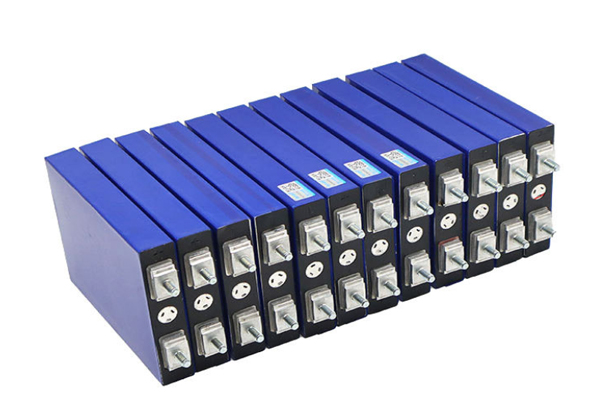
An LTO battery is a type of lithium-ion battery that uses lithium titanate as its anode material. Compared with conventional lithium-ion batteries that use graphite anodes, lithium titanate undergoes relatively small volume changes during charging and discharging, helping maintain electrode structural stability.
The main advantages of LTO batteries include fast charging, long cycle life, high power output, and good low-temperature adaptability. These characteristics make them suitable for applications requiring frequent cycling, rapid charging, or long-term continuous operation.
What Are the Characteristics of Lead-Acid Batteries?
Lead-acid batteries store energy through electrochemical reactions involving lead, lead dioxide, and a sulfuric acid electrolyte. Their manufacturing processes are well established, initial purchase costs are relatively low, and recycling infrastructure is widely available in many markets.
However, lead-acid batteries are generally heavy and take longer to charge. Deep discharges and frequent cycling can also accelerate battery degradation. For equipment used intensively, replacement frequency and maintenance costs should be considered.
Five Key Advantages of LTO Batteries Over Lead-Acid Batteries
Longer Cycle Life
Cycle life is an important factor in evaluating the long-term value of a battery. The cycle life of a lead-acid battery depends on its type, depth of discharge, operating temperature, and maintenance conditions. LTO batteries generally offer a longer cycle life because of their stable electrode structure.
For electric tricycles, industrial vehicles, and energy storage equipment that undergo multiple charge-discharge cycles every day, a longer cycle life can reduce battery replacement frequency, equipment downtime, and maintenance costs.
Faster Charging
Traditional lead-acid batteries generally require several hours to recharge, depending on battery capacity, charger specifications, and the remaining state of charge.
LTO batteries support high-rate charging when the cell specifications, temperature conditions, battery management system (BMS), and charging equipment are properly matched.
For logistics vehicles, industrial equipment, and commercial electric vehicles that operate continuously, fast charging can reduce waiting time and improve equipment utilization.
More Stable Performance in Low Temperatures
Low temperatures affect ion transport and electrochemical reactions inside batteries, potentially reducing available capacity and charging performance. Compared with conventional lead-acid batteries, LTO batteries generally offer better low-temperature charging and discharging capabilities.
This advantage is valuable for electric equipment operating in cold regions, outdoor power systems, and certain industrial energy storage applications. However, the actual operating temperature range should always be verified against the specifications of the selected cells and battery pack.
Advantages in Battery Safety
LTO anode materials have a relatively high lithium insertion potential, which helps reduce the risk of lithium plating during fast charging. Their stable electrode structure also contributes to improved thermal stability.
Lead-acid batteries are a mature technology, but they require precautions against acidic electrolyte leakage, corrosion, and potential hydrogen generation during charging.
It is important to note that LTO batteries are not entirely risk-free. A properly designed battery pack still requires a suitable BMS, overcurrent protection, temperature monitoring, and short-circuit protection.
Potentially Lower Long-Term Operating Costs
Lead-acid batteries generally have a lower initial purchase price. However, for equipment used frequently, battery replacement, maintenance, and downtime can increase the total cost of ownership over time.
Although LTO batteries typically require a higher initial investment, they may reduce lifecycle costs in applications involving frequent cycling, long operating hours, and rapid charging requirements.
LTO Batteries vs. Lead-Acid Batteries: A Comprehensive Comparison
| Comparison Factor | LTO Batteries | Lead-Acid Batteries |
| Initial Purchase Cost | Generally higher | Generally lower |
| Cycle Life | Generally longer | Generally shorter |
| Charging Speed | Supports high-rate charging | Generally slower |
| Weight | Typically lighter at comparable capacities | Typically heavier |
| Low-Temperature Performance | Generally better | Capacity and charging performance can be significantly affected |
| Frequent Charge-Discharge Cycling | Suitable for high-cycle applications | Frequent cycling may accelerate degradation |
| Routine Maintenance | Generally lower | Depends on battery type |
| Recycling Infrastructure | Depends on local lithium battery recycling facilities | Well-established in many markets |
| Typical Applications | High-cycle energy storage, industrial vehicles, fast-charging equipment | Backup power, low-duty-cycle equipment, cost-sensitive applications |
This comparison reflects general characteristics. Actual performance varies according to battery models, capacity, depth of discharge, ambient temperature, and system design.
Which Applications Are Better Suited to LTO Batteries?
Electric Tricycles and Commercial Electric Vehicles
For commercial vehicles that operate for long hours and require frequent recharging, the fast-charging capability and long cycle life of LTO batteries can improve operational efficiency.
During battery selection, it is also important to verify motor power requirements, controller current, battery voltage, and available installation space.
Industrial Equipment and Logistics Vehicles
Forklifts, automated guided vehicles (AGVs), and other industrial vehicles may need to operate continuously across multiple shifts. LTO batteries are worth considering when fast charging, high power output, and reduced downtime are key priorities.
Energy Storage and Backup Power Systems
LTO batteries can be an option for energy storage systems requiring frequent cycling, rapid response, and long service life. For systems that remain on standby and operate infrequently, businesses should compare initial investment, standby losses, and lifecycle costs before making a decision.
How to Choose the Right Battery Solution
Select a Battery Based on Usage Frequency
If equipment undergoes only a small number of charge-discharge cycles and the budget is limited, lead-acid batteries may still offer a cost advantage.
If equipment requires frequent daily cycling, rapid charging, or long-term continuous operation, LTO batteries deserve closer evaluation.
Evaluate the Battery Pack and BMS Configuration
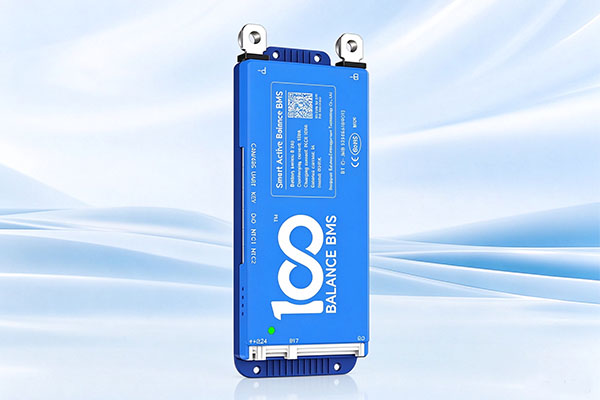
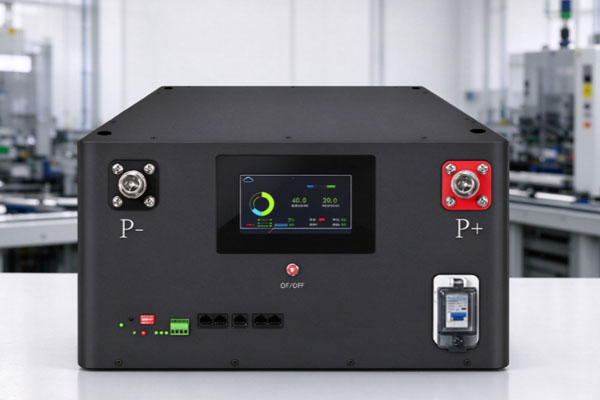
When purchasing LTO batteries, verify cell consistency, nominal voltage, capacity, maximum charging and discharging current, temperature protection, and communication interfaces.
The charger must be compatible with the voltage range and charging profile of the LTO battery. A lead-acid battery charger should not be reused without first verifying its compatibility with the selected LTO battery system.
Evaluate Total Lifecycle Costs
Businesses should consider purchase costs, electricity consumption, maintenance expenses, battery replacement frequency, and downtime losses when evaluating different battery technologies.
Only by assessing actual operating conditions can businesses determine whether LTO batteries offer better long-term economic value than lead-acid batteries.
Conclusion
Overall, the main advantages of LTO batteries over lead-acid batteries include longer cycle life, faster charging, better low-temperature adaptability, and suitability for frequent charge-discharge applications. Lead-acid batteries, meanwhile, retain advantages in initial purchase cost and established recycling infrastructure.
For electric tricycles, industrial vehicles, and high-cycle energy storage systems, LTO batteries are worth serious consideration.
DeliGreen can help customers evaluate battery chemistry, capacity, voltage, BMS configuration, and system integration requirements based on their specific applications, supporting the selection of battery solutions that meet operational requirements and long-term cost objectives.