As renewable energy sources such as solar and wind power continue to expand, large-scale energy storage is becoming an important part of modern power systems. Energy storage systems need to operate reliably over long periods while balancing safety, cost, cycle life, and environmental adaptability. In this context, sodium-ion batteries are attracting increasing attention in the energy storage industry.
Compared with some lithium-ion battery chemistries that rely heavily on resources such as lithium, nickel, or cobalt, sodium-ion batteries offer advantages including abundant raw materials, promising low-temperature performance, and greater supply chain diversification. These characteristics make sodium-ion batteries a potential solution for stationary and large-scale energy storage applications.
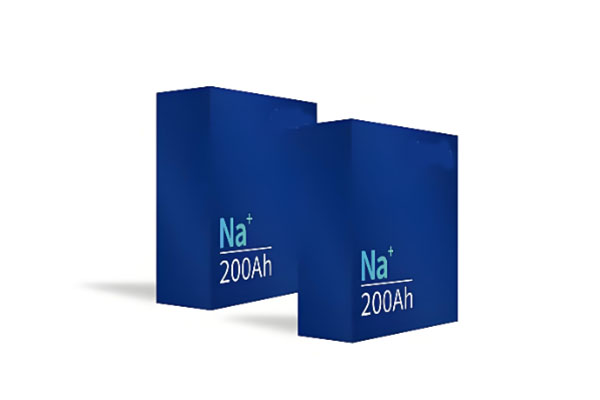
Why Are Sodium-Ion Batteries Suitable for Energy Storage?
Abundant Sodium Resources Support Supply Chain Diversification
Sodium is widely available in nature, providing a broad potential raw material base. For large-scale energy storage projects that require significant battery capacity, long-term access to raw materials is an important consideration.
Sodium-ion batteries use sodium ions instead of lithium ions as the primary charge carriers. This provides the energy storage industry with an alternative battery technology and can help diversify battery material supply chains. As sodium-ion battery manufacturing continues to develop, material supply and large-scale production capabilities are also expected to improve.
Energy Density Is Not the Only Priority for Stationary Storage
Electric vehicles require high energy density because battery weight and volume directly affect driving range and vehicle efficiency. Stationary energy storage systems, however, are typically installed at energy storage plants, industrial facilities, renewable energy sites, or microgrids.
Because these systems do not need to move, factors such as system cost, safety, cycle life, and operational stability can be equally important.
Although sodium-ion batteries currently have lower energy density than some mature lithium-ion battery technologies, this does not necessarily prevent them from being used in stationary energy storage applications.
What Advantages Do Sodium-Ion Batteries Offer for Large-Scale Energy Storage?
Promising Low-Temperature Performance
Energy storage systems may be deployed in a wide range of climates, and low temperatures can affect the charging and discharging performance of some battery technologies. The low-temperature characteristics of sodium-ion batteries are therefore an important reason why they are being considered for energy storage applications.
For renewable energy storage, outdoor power systems, and backup power applications in cold regions, good low-temperature adaptability can help maintain more stable battery operation.
However, actual system performance still depends on the specific cell chemistry, thermal management design, and local operating conditions.
Modular Design Supports Flexible System Expansion
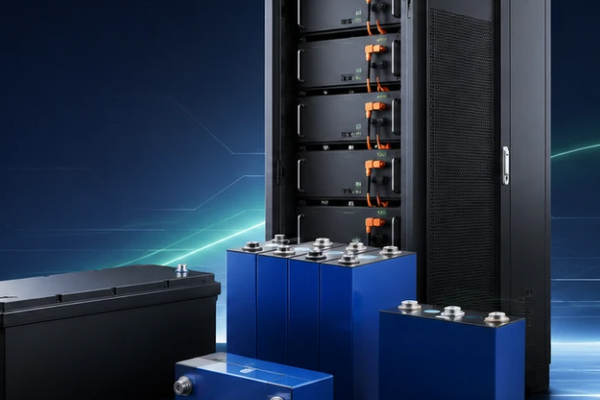
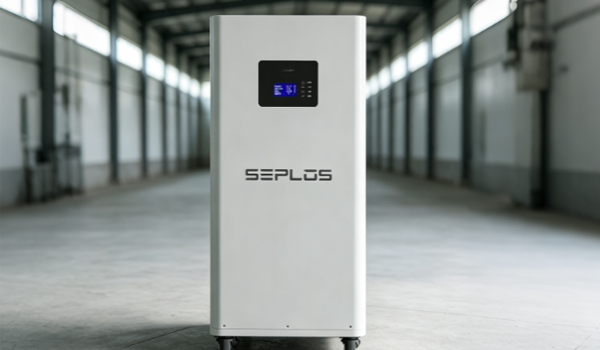
Large-scale energy storage systems are commonly built using battery racks, battery cabinets, or containerized energy storage units. Sodium-ion batteries can be integrated with battery management systems (BMS), power conversion systems (PCS), and energy management systems to create modular storage units.
Multiple units can be connected to achieve the required energy capacity and power output. When energy demand increases, additional storage units can also be added to expand system capacity.
Helps Diversify Battery Material Supply
Large-scale energy storage projects require substantial quantities of battery cells and are generally designed for long operating periods. Fluctuations in raw material prices or supply can therefore affect project costs.
Sodium-ion batteries use a material system different from lithium-ion batteries, providing the energy storage industry with another technological pathway. In the long term, the development of multiple battery technologies can contribute to a more diversified and resilient energy storage supply chain.
What Performance Factors Should Be Considered?
Cycle Life
Large-scale energy storage projects may charge and discharge batteries regularly. Cycle life therefore has a direct impact on system service life and overall project economics.
When selecting sodium-ion batteries, buyers should evaluate cycle life according to the actual application requirements rather than focusing only on nominal battery capacity.
BMS and Thermal Management
Large-scale energy storage systems contain many battery cells. A battery management system needs to continuously monitor parameters such as voltage, current, temperature, and state of charge (SOC).
The BMS can also support cell balancing and safety protection. In addition to battery management, large-scale systems require appropriate thermal management, electrical protection, and fire safety solutions.
Coordinating cell design, BMS technology, thermal management, and system-level safety is essential for reliable long-term operation.
Total System Cost
For large-scale energy storage projects, it is not enough to compare the purchase price of individual battery cells.
Project developers should also consider energy capacity, system efficiency, cycle life, BMS, PCS, installation, maintenance, and total lifecycle costs.
Therefore, the economic value of sodium-ion batteries needs to be evaluated according to the specific operating conditions, charging and discharging frequency, climate, and required storage duration of each project.
Which Energy Storage Applications Are Suitable for Sodium-Ion Batteries?
Renewable Energy Storage
Solar and wind power generation is affected by weather and time. Sodium-ion energy storage systems can store excess electricity when renewable generation is high and release electricity when generation decreases or demand increases.
This can help improve renewable energy utilization and support more stable power supply.
Commercial and Industrial Energy Storage
Industrial facilities, commercial buildings, and manufacturing sites may experience significant differences between peak and off-peak electricity prices.
Sodium-ion battery systems can potentially be used for peak shaving, load management, backup power, and other commercial and industrial energy storage applications.
Energy Storage in Cold Regions
For independent energy storage systems, microgrids, and outdoor energy storage projects in cold regions, the low-temperature characteristics of sodium-ion batteries can provide an additional technology option.
Actual battery selection should still be based on local temperature ranges, operating conditions, safety requirements, and system performance testing.
Future Development of Sodium-Ion Batteries for Large-Scale Energy Storage
Sodium-ion batteries are currently at an important stage of industrial development. Compared with mature lithium-ion battery technologies, they still have room for improvement in areas such as energy density, manufacturing scale, and supply chain maturity.
However, for stationary energy storage, energy density is not the only performance indicator. As material systems improve, manufacturing processes become more efficient, and production capacity increases, sodium-ion batteries may achieve better overall economics and establish stronger advantages in selected storage applications.
For energy storage battery buyers, important factors to evaluate include cell quality, cycle life, low-temperature performance, BMS configuration, safety design, system integration capabilities, and OEM/ODM customization capabilities.
Overall, sodium-ion batteries provide a new technology pathway for large-scale energy storage thanks to their abundant raw materials, promising low-temperature characteristics, and potential for supply chain diversification. As the energy storage market continues to grow, sodium-ion batteries may complement lithium-ion batteries and contribute to the development of more diversified and flexible energy storage solutions.