Sodium-ion batteries are rechargeable batteries that use sodium ions as the primary charge carriers. Their working principle is similar in some ways to that of lithium-ion batteries. During charging and discharging, sodium ions move back and forth between the cathode and anode, while electrons travel through the external circuit to store and release electrical energy. For businesses involved in battery procurement and system design, understanding the functions of the cathode, anode, and electrolyte is important for evaluating battery capacity, cycle life, safety, and suitability for different applications.
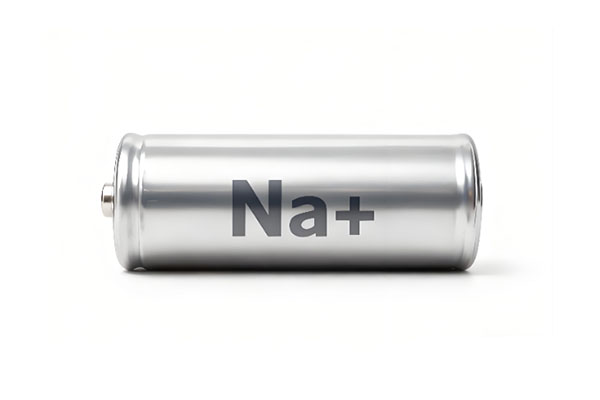
Basic Structure of a Sodium-Ion Battery
The Cathode, Anode, and Electrolyte Form the Core System
A typical sodium-ion battery consists of a cathode, an anode, electrolyte, separator, and current collectors. The cathode and anode are responsible for storing and releasing sodium ions, while the electrolyte provides a pathway for sodium-ion movement. The separator keeps the cathode and anode physically apart while allowing ions to pass through.
During charging and discharging, these components do not work independently. Instead, they form an integrated electrochemical system. Therefore, battery performance depends not only on individual materials but also on how well these components are matched.
What Is the Function of the Cathode in a Sodium-Ion Battery?
Storing and Releasing Sodium Ions
The cathode is one of the key components of a sodium-ion battery. During discharge, sodium ions stored in the anode move through the electrolyte toward the cathode and are incorporated into the cathode material. During charging, the process is reversed.
The structural stability, operating voltage, and sodium-ion diffusion characteristics of the cathode material can affect the battery’s energy density, cycle performance, and charging and discharging efficiency. Therefore, cathode materials are an important factor in determining the overall performance of sodium-ion batteries.
Common Cathode Materials
Common cathode materials for sodium-ion batteries include layered oxides, polyanionic compounds, and Prussian blue analogues. These materials differ in energy density, cost, cycle life, and low-temperature performance.
Different applications, such as energy storage systems, electric vehicles, low-speed vehicles, and backup power supplies, may require different cathode material systems depending on their performance and design requirements.
What Is the Function of the Anode in a Sodium-Ion Battery?
Providing Storage Sites for Sodium Ions
The main function of the anode is to store and release sodium ions. During charging, sodium ions leave the cathode, travel through the electrolyte, and are stored in the anode. During discharge, sodium ions leave the anode and move back toward the cathode.
Therefore, the structure, specific capacity, and reversible sodium-ion storage characteristics of the anode material have a direct impact on battery capacity and cycle life.
Hard Carbon Is a Common Anode Material
Unlike lithium-ion batteries, which widely use graphite anodes, hard carbon is one of the commonly studied and commercially relevant anode materials for sodium-ion batteries. Its unique microstructure provides suitable sites for sodium-ion storage and enables reversible sodium storage.
In practical battery design, factors such as initial Coulombic efficiency, rate capability, cycle stability, and compatibility between hard carbon and the electrolyte also need to be considered.
What Is the Function of the Electrolyte in a Sodium-Ion Battery?
Providing a Pathway for Sodium-Ion Movement
The electrolyte acts as an important medium connecting the cathode and anode. Its primary function is to enable sodium ions to move between the two electrodes. During discharge, sodium ions travel through the electrolyte from the anode to the cathode. During charging, they move from the cathode back to the anode.
It is important to note that the electrolyte mainly transports ions rather than electrons. Electrons travel through the external circuit, allowing the battery to deliver electrical energy to an external device.
The Electrolyte Affects Battery Safety and Performance
The ionic conductivity, electrochemical stability window, compatibility with electrode materials, and temperature performance of the electrolyte can all influence the actual performance of a sodium-ion battery.
If the electrolyte is not well matched with the cathode and anode materials, unwanted interfacial reactions may increase, potentially affecting capacity retention, internal resistance, and cycle life. Therefore, coordinated design between the electrolyte and electrode materials is important during sodium-ion battery development and manufacturing.
How Do the Cathode, Anode, and Electrolyte Affect Battery Performance?
Good Material Compatibility Is Essential
A sodium-ion battery cannot achieve optimal performance simply by combining three materials. The cathode establishes an important foundation for voltage and capacity, the anode affects sodium storage and cycling performance, while the electrolyte enables ion transport and helps maintain interface stability.
These components need to be properly matched. For example, the operating potentials of the cathode and anode need to be compatible with the stability window of the electrolyte. Temperature, charging and discharging rates, cycle requirements, and operating conditions must also be considered.
Different Applications Require Different Battery Solutions
Applications such as residential energy storage, commercial and industrial energy storage, low-speed electric vehicles, and portable power stations have different requirements for energy density, cycle life, cost, and temperature performance.
Therefore, when selecting a sodium-ion battery, it is not enough to focus on a single material parameter. System voltage, capacity, operating environment, charging and discharging frequency, and other application requirements should also be considered.
What Should Businesses Consider When Purchasing Sodium-Ion Batteries?
When purchasing sodium-ion batteries, businesses should pay attention to the cell chemistry, rated capacity, operating voltage, cycle life, charging and discharging rate, operating temperature, and BMS configuration.
Suppliers should also be able to provide relevant technical specifications and testing information so that buyers can determine whether the battery meets the requirements of a specific project.
For customized battery pack projects, additional factors may include cell configuration, BMS communication protocols, enclosure design, connectors, certifications, and transportation documentation. DeliGreen provides battery solutions covering battery cells, battery packs, BMS, and energy storage products, with customization options for voltage, capacity, BMS, and structural design according to application requirements.
The cathode, anode, and electrolyte in a sodium-ion battery perform different functions, but they work together to determine the overall battery performance. The cathode primarily stores and releases sodium ions and has an important influence on voltage and energy density. The anode provides storage sites for sodium ions and plays an important role in capacity and cycle life. The electrolyte enables sodium-ion transport and affects rate capability, safety, and cycling stability.
For businesses purchasing sodium-ion batteries, understanding the functions of these three key components makes it easier to compare different battery products and select an appropriate battery solution for applications such as energy storage, electric vehicles, and portable power systems.