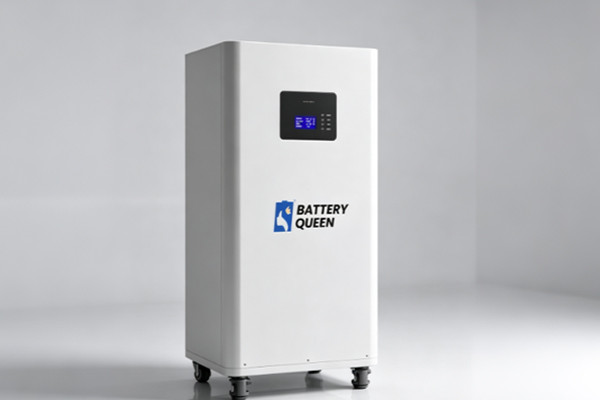
Emergency power supplies are mainly used for backup electricity during power outages, equipment failures, outdoor operations, temporary power needs, and unexpected situations. Compared with traditional lead-acid batteries, LiFePO4 batteries have become a common choice for many emergency power supply devices because of their longer cycle life, higher energy efficiency, lighter weight, and good stability. LiFePO4 batteries usually use LiFePO4 as the cathode material and work with a BMS to monitor and protect the voltage, temperature, current, and other operating conditions of the cells. Under normal conditions, an emergency power supply can remain in standby or energy storage mode. When the utility power is interrupted, the battery provides power to the equipment.
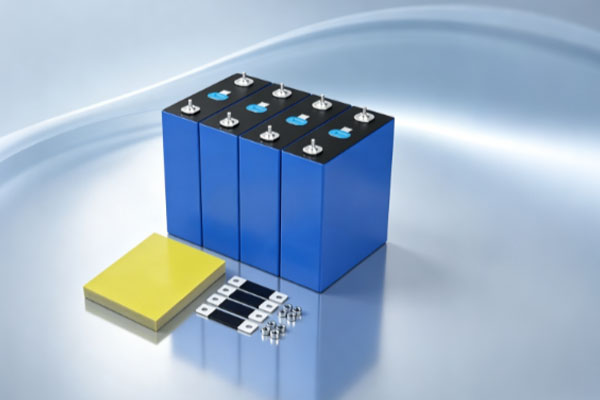
This operating characteristic requires the battery to have good cycle performance while also requiring relatively low maintenance. For home backup power supplies, small UPS systems, communication backup power supplies, portable outdoor power supplies, medical equipment backup power supplies, and industrial emergency power equipment, LiFePO4 batteries can be configured according to voltage, capacity, power, and operating environment. Proper selection of battery capacity and BMS can help an emergency power supply maintain stable power after an outage while reducing the cost and maintenance work associated with frequent battery replacement.
Why Are LiFePO4 Batteries Suitable for Emergency Power Supplies?
Long Cycle Life for Long-Term Backup
Emergency power supplies do not necessarily operate every day, but the battery needs to remain available for a long period. Some equipment may only start during occasional power outages, while other equipment may experience frequent charging and discharging. LiFePO4 batteries generally have a long cycle life. The actual service life is affected by factors such as cell quality, depth of charge and discharge, temperature, charging current, and BMS control. Under suitable operating conditions, they can achieve thousands of cycles. Compared with some traditional lead-acid batteries, their service life is usually longer.
High Charge and Discharge Efficiency
Emergency power supplies need to store electricity when utility power is available and quickly release the stored energy to the load during a power outage. Battery charge and discharge efficiency affects the actual performance of the entire power supply. LiFePO4 batteries offer good charge and discharge efficiency and can reduce energy losses during charging and discharging under suitable operating conditions. This is particularly important for UPS systems, outdoor power supplies, and communication backup power supplies that require frequent recharging.
What Are the Advantages of Using LiFePO4 Batteries in Emergency Power Supplies?
Lighter Weight Makes Equipment Easier to Move
Traditional lead-acid batteries are relatively heavy. If an emergency power supply needs to be moved frequently, such as an outdoor construction power supply, portable power supply, mobile communication device, or RV backup power supply, battery weight directly affects transportation convenience. With the same or similar energy storage requirements, LiFePO4 batteries can usually be designed as more compact battery packs, reducing the overall weight and space occupied by the emergency power supply. This advantage is more noticeable for equipment that needs to be carried manually.
Longer Service Life
Emergency power supplies may remain in standby mode for long periods but still require regular charging and discharging maintenance. LiFePO4 batteries have a long cycle life and can handle repeated charging and discharging. If the battery is mainly used for occasional power outages, the number of battery replacements may be reduced during long-term use. For portable power supplies that are frequently charged and discharged, the cycle life advantage is also easier to demonstrate.
BMS Can Provide Battery Protection
LiFePO4 battery packs are usually equipped with a BMS, or Battery Management System. The BMS can monitor parameters such as cell voltage, charging and discharging current, and temperature, and provide protection according to preset conditions.
Common protection functions include:
- Overcharge protection, over-discharge protection, and overcurrent protection.
- Short-circuit protection and high- and low-temperature protection.
- Cell voltage monitoring and balancing management.
These functions can help reduce the risk of battery damage under abnormal conditions. However, the BMS is an important part of the battery pack, and the actual protection parameters still need to be configured according to the cells and the overall equipment design.
Relatively Simple Maintenance
Emergency power supplies often need to remain on standby for long periods, while LiFePO4 batteries do not require maintenance work such as electrolyte replenishment that is required by some traditional lead-acid batteries. For home backup power supplies, communication power supplies, and industrial backup power supplies, the battery condition can be monitored through the BMS and power management equipment. When abnormal temperature, voltage, or other alarm information occurs, timely inspection can be performed.
How Should LiFePO4 Batteries Be Selected for Different Emergency Power Scenarios?
Home Backup Power During Power Outages
Home emergency power supplies are mainly used to keep lighting, routers, computers, monitoring equipment, refrigerators, or other important small devices running during a power outage. When selecting a battery, it is not enough to look only at the number of Ah. The load power and required operating time also need to be considered. For example, if the total equipment power is 500W and continuous operation for 4 hours is required, approximately 2kWh of electrical energy is theoretically needed. In actual use, factors such as inverter efficiency, BMS protection, and the fact that the battery should not be completely discharged also need to be considered. Therefore, a certain amount of capacity is usually reserved during actual battery selection.
Backup Power for Communication Equipment
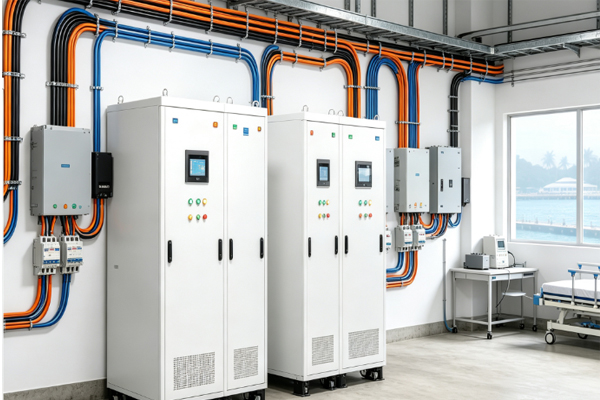
Communication base stations, network equipment, and monitoring devices have high requirements for continuous power supply. After a power outage, the emergency power supply needs to take over the load promptly, making battery stability and BMS protection functions particularly important. For these devices, an appropriate LiFePO4 battery pack can be selected according to the equipment’s DC voltage, continuous power, backup time, and installation space. When longer backup time is required, the backup duration can also be extended by increasing battery capacity.
Outdoor Mobile Emergency Power Supplies
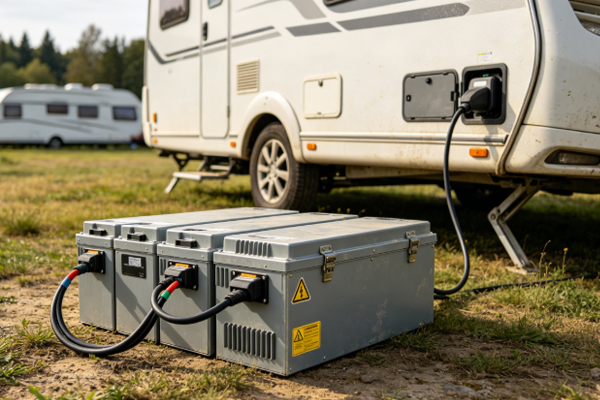
In outdoor construction, camping, RVs, and temporary work environments, emergency power supplies generally need to meet both energy storage and mobility requirements. LiFePO4 batteries have relatively low weight and a long cycle life, making them suitable for power equipment that is frequently moved and repeatedly used. If the equipment needs to operate in winter or high-temperature environments, the allowable operating and charging temperatures of the battery also need to be confirmed. Selection should not be based only on normal-temperature specifications.
Frequently Asked Questions
Q: Are LiFePO4 batteries suitable for UPS backup power supplies?
Yes. LiFePO4 batteries can be used for UPS systems, communication backup power supplies, home energy storage systems, and industrial emergency power supplies. During actual use, the battery needs to be matched with the UPS’s rated voltage, charging method, maximum charging current, and BMS communication requirements.
Q: Can a LiFePO4 emergency power supply remain plugged in and charging continuously?
Some dedicated emergency power supplies support long-term connection to utility power while maintaining a full state of charge. However, whether continuous float charging is suitable depends on the battery pack and the equipment manufacturer’s instructions. The charging method for LiFePO4 batteries differs from that of traditional lead-acid batteries, so lead-acid float-charging parameters should not be applied directly.
Q: Does a larger battery capacity mean a longer emergency power supply time?
When the load power and other conditions are basically the same, a larger usable battery capacity can theoretically provide a longer power supply time. However, the actual duration is also affected by factors such as inverter efficiency, load changes, battery temperature, discharge rate, and BMS protection parameters.
Q: Can LiFePO4 batteries be used in high-power emergency power supplies?
Yes. By increasing the number of cells, connecting battery packs in parallel, and configuring a suitable BMS, battery systems with different voltage and capacity levels can be assembled. For high-power equipment, continuous discharge current, peak power, heat dissipation, and inverter parameters also need to be carefully confirmed.
When choosing LiFePO4 batteries for emergency power supplies, capacity is only one of the specifications that needs to be considered. The battery’s nominal voltage, continuous charging and discharging current, peak discharge capability, operating temperature, BMS functions, and cycle life also need to be confirmed. For home backup power supplies, capacity and continuous output capability can be key considerations. For communication backup power supplies, long-term standby capability, BMS communication, and reliable protection functions require greater attention. For outdoor portable power supplies, weight, size, and temperature adaptability also need to be considered.
The main advantages of LiFePO4 batteries for emergency power supplies include long cycle life, relatively light weight, high charge and discharge efficiency, simpler maintenance, and battery management through a BMS. These characteristics make them suitable for home backup power supplies, UPS systems, communication equipment, outdoor power supplies, and industrial emergency power equipment. During actual configuration, battery capacity should be determined according to load power, backup time, voltage level, installation space, and operating environment, while a compatible BMS, charger, and inverter should also be selected. Only when the battery pack, charging equipment, and load parameters are properly matched can a LiFePO4 emergency power supply maintain stable operating performance.