With the rapid development of solar power, wind power, and modern power systems, the new energy storage market is placing higher demands on battery technologies. In addition to energy density and cycle life, battery cost, safety, raw material availability, and stable operation under different environmental conditions have become important factors in battery selection. Against this background, sodium-ion batteries are attracting increasing attention in the energy storage market and are becoming an important emerging battery technology. So, why are sodium-ion batteries gaining attention in the new energy storage market?
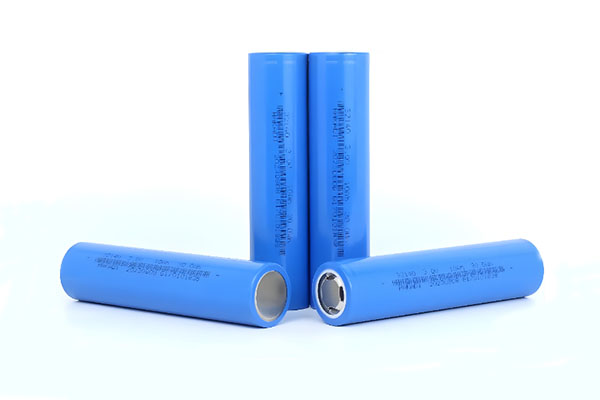
Sodium-Ion Batteries Have Resource Advantages
Abundant Sodium Resources
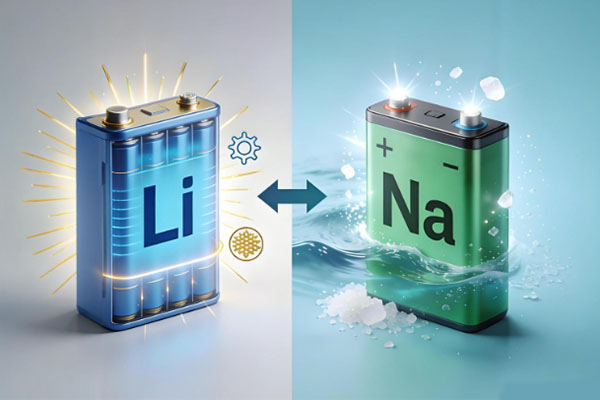
Lithium-ion batteries have long dominated the new energy battery market. However, with the rapid development of electric vehicles and energy storage, lithium resource availability, raw material prices, and supply chain costs have received increasing attention.
Sodium is widely distributed and relatively abundant, giving sodium-ion batteries certain resource advantages. For large-scale energy storage projects that require long-term operation, a stable raw material supply can help reduce the impact of supply chain fluctuations.
Supporting a More Diversified Energy Storage Industry
As the new energy storage market continues to expand, it is difficult for a single battery technology to meet all application requirements. The commercialization of sodium-ion batteries can provide an additional energy storage technology option and complement other battery technologies across different applications.
Sodium-Ion Batteries Have Cost Reduction Potential
Potential Advantages of the Raw Material System
Sodium-ion batteries use sodium ions as the charge carriers and do not rely on lithium as the core raw material. Some sodium-ion battery cathode materials can also use relatively abundant elements, helping reduce dependence on certain scarce resources.
As material systems are optimized, manufacturing processes become more mature, and production scales increase, sodium-ion batteries have the potential to achieve further cost reductions.
Suitable for Cost-Sensitive Energy Storage Applications
Energy storage projects often require large battery capacities, meaning battery costs can have a direct impact on initial investment and project economics. Therefore, reducing the cost per unit of stored energy is important as long as safety, cycle life, and performance requirements are met.
The cost reduction potential of sodium-ion batteries makes them an attractive option for commercial and industrial energy storage, large-scale energy storage, and backup power applications.
Sodium-Ion Batteries Offer Good Low-Temperature Performance
Low Temperatures Can Affect Battery Performance
New energy storage projects may be installed in regions with different climatic conditions. Low temperatures can affect battery charging and discharging performance and may increase the requirements for thermal management.
Sodium-ion batteries offer certain advantages in low-temperature environments, which is another reason why they are attracting attention in the energy storage market.
Expanding Energy Storage Applications
For energy storage systems installed in cold regions, outdoor energy storage equipment, and applications requiring good environmental adaptability, low-temperature performance can directly affect system stability.
Therefore, the suitability of sodium-ion batteries should be evaluated according to the operating temperature range, charge and discharge power, and specific system requirements.
Battery Safety Is Another Key Area of Interest
Safety Is Critical for Energy Storage Systems
Energy storage systems typically contain large numbers of battery cells and modules. A serious safety event, such as thermal runaway, can potentially affect equipment and the surrounding environment. Therefore, cell materials, battery structure, BMS, and thermal management are all important considerations.
The material system and operating characteristics of sodium-ion batteries provide another technical pathway for improving the safety and reliability of energy storage batteries.
BMS Improves System Reliability
Battery safety cannot rely solely on the battery cell itself. In practical applications, a Battery Management System (BMS) is required to monitor battery voltage, current, temperature, and state of charge while applying protection strategies to reduce the impact of abnormal operating conditions.
Therefore, the safety of sodium-ion battery systems should be considered comprehensively, from individual cells and modules to battery packs and complete energy storage systems.
Sodium-Ion Batteries Can Serve Multiple Energy Storage Applications
Solar Energy Storage
Solar power generation is intermittent and variable. Solar output is typically higher during the daytime, while power generation stops at night. Energy storage systems can store excess electricity and release it when electricity demand increases.
Sodium-ion batteries can be used as one battery technology option for solar energy storage systems. Different battery configurations can be developed according to project capacity and power requirements.
Commercial and Industrial Energy Storage
Commercial and industrial users can use energy storage systems for peak shaving, load shifting, backup power, and energy management. For these applications, battery cost, cycle life, safety, and system efficiency are all important considerations.
The cost potential and resource availability of sodium-ion batteries give them significant application potential in the commercial and industrial energy storage market.
Off-Grid and Backup Power
In remote areas, communication facilities, emergency power systems, and off-grid energy systems, batteries need to provide stable operation and good environmental adaptability.
Sodium-ion batteries can be designed into battery packs and energy storage systems according to different requirements for capacity, voltage, and power.
Future Development Potential of Sodium-Ion Batteries
Continuous Battery Technology Development
Sodium-ion battery technology is still at an important stage of commercialization. Cathode materials, anode materials, electrolytes, cell manufacturing processes, and BMS technologies are continuing to develop.
As manufacturing processes become more mature, the energy density, cycle life, rate performance, and production cost of sodium-ion batteries may continue to improve.
New Opportunities from the Energy Storage Market
As the proportion of renewable energy generation continues to increase, demand for energy storage systems is also growing. The future energy storage market will require multiple technology solutions to meet the needs of residential, commercial and industrial, grid-side, and off-grid applications.
With advantages such as abundant resources, cost reduction potential, and good low-temperature performance, sodium-ion batteries have the potential to become an important complementary technology in the new energy storage market.
What Parameters Should Be Considered When Choosing Sodium-Ion Batteries?
When purchasing sodium-ion batteries, users should not focus only on price. Important parameters include battery capacity, voltage, cycle life, charge and discharge rate, operating temperature, BMS functions, and system compatibility.
For energy storage projects, battery configuration should also be determined based on the inverter, Battery Management System, installation environment, and future expansion requirements.
Deligreen provides sodium-ion battery and battery system solutions for different energy storage applications and can customize parameters such as voltage, capacity, and BMS according to project requirements.
Conclusion
The growing attention toward sodium-ion batteries in the new energy storage market is closely related to their abundant resources, cost reduction potential, low-temperature performance, and suitability for multiple application scenarios.
As renewable energy generation continues to expand, the energy storage market will require battery technologies that are safe, economical, reliable, and diversified. With continued improvements in materials and manufacturing processes, sodium-ion batteries are expected to expand their application range and become an increasingly important technology option for new energy storage projects.