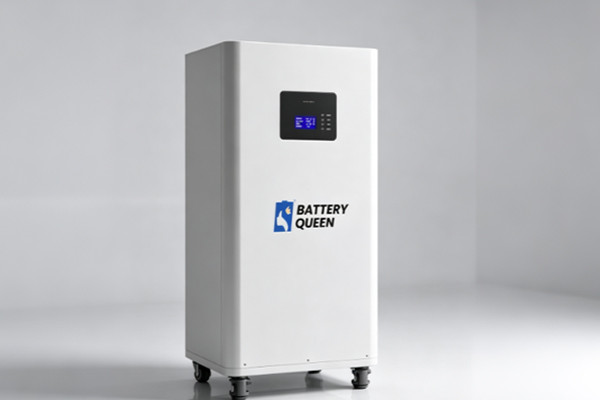
Sodium-ion batteries are gaining attention in energy storage, electric mobility, and backup power applications because of their abundant raw materials, cost advantages, and good low-temperature performance. In addition to energy density and safety, sodium-ion battery cycle life is an important factor when selecting a battery system. In actual applications, the number of cycles a battery can achieve depends not only on the battery specifications but also on depth of discharge, charging and discharging rate, operating temperature, electrode materials, and battery management strategies. Different sodium-ion battery chemistries can deliver significantly different cycle performance, so battery selection should always consider the intended application.
How Long Is the Cycle Life of a Sodium-Ion Battery?
Cycle Life Varies Between Different Battery Technologies
There is no single fixed cycle-life figure that applies to all sodium-ion batteries. Early sodium-ion battery research reported several hundred to several thousand cycles under certain test conditions. With continuous improvements in cathode and anode materials, electrolytes, and cell structures, some newer sodium-ion batteries have demonstrated significantly improved long-term cycling performance.
Recent studies of commercial sodium-ion batteries have also evaluated long-term aging over thousands of equivalent full cycles. Some tested cells have reached around 5,000 equivalent full cycles, demonstrating the potential of sodium-ion technology for long-duration applications. However, the degradation rate can still vary considerably between different cells and battery designs.
For this reason, users should not compare sodium-ion batteries based only on the advertised number of cycles. It is important to check the testing conditions, including the cycle count at a specified capacity retention level, operating temperature, charge and discharge rate, and depth of discharge.
What Factors Affect Sodium-Ion Battery Service Life?
Depth of Discharge
Depth of discharge, commonly referred to as DOD, is one of the key factors affecting battery cycle life.
Frequent deep discharge requires the electrode materials to undergo larger changes during each cycle. Over time, this can accelerate battery degradation. Operating a sodium-ion battery within a controlled state-of-charge range and avoiding unnecessary deep discharge can help reduce capacity degradation.
For energy storage systems, users can set appropriate upper and lower SOC limits according to the actual load profile instead of completely discharging the battery before every recharge.
Operating Temperature
Temperature has a significant impact on sodium-ion battery performance and aging.
High temperatures can accelerate electrolyte side reactions and material degradation. At low temperatures, electrochemical reactions become slower, which can increase polarization and affect charging performance. Under certain conditions, low-temperature operation may also increase the risk of sodium plating and accelerate capacity loss.
For sodium-ion batteries used in energy storage systems and electric vehicles, an appropriate thermal management strategy is therefore important for maintaining stable operating conditions and extending service life.
Charge and Discharge Rate
The charge and discharge rate also affects battery degradation. Higher C-rates mean that the battery must handle larger currents within a shorter period, which can increase heat generation and electrochemical polarization.
Long-term operation at high charging or discharging rates may place additional stress on the cells and thermal management system. However, the actual impact of charging and discharging rates also depends on temperature, SOC, cell design, and battery chemistry.
When selecting a sodium-ion battery, the continuous charging and discharging rate should therefore be matched to the actual load requirements rather than focusing only on the maximum peak rate.
Battery Materials and Manufacturing Quality Also Matter
Electrode Materials Determine Basic Performance
Sodium-ion batteries can use different types of cathode and anode materials. These material systems differ in capacity, rate capability, structural stability, and cycle life.
Hard carbon is currently one of the important anode materials used in commercial sodium-ion battery development. At the same time, the structural stability of cathode materials has a direct influence on long-term cycling performance. Certain layered oxide cathode systems, for example, may experience structural changes under high-voltage operation, which can affect long-term cycle stability.
Cell Consistency Affects Battery Pack Life
When individual cells have significant differences in capacity or internal resistance, the cells may become imbalanced after being connected into a battery pack. Over repeated charging and discharging cycles, weaker cells can gradually affect the performance of the entire battery system.
High-quality cell screening, consistent manufacturing processes, battery management systems, cell balancing, and reliable pack integration are therefore important for achieving a longer sodium-ion battery service life.
How Can You Extend the Service Life of Sodium-Ion Batteries?
Several measures can help extend the service life of sodium-ion batteries. Users should maintain an appropriate SOC range and avoid unnecessary deep discharge. Long-term exposure to extremely high or low temperatures should also be avoided. In addition, the charging and discharging rate should remain within the specifications recommended by the battery manufacturer.
A reliable Battery Management System (BMS) is also essential. By monitoring voltage, current, temperature, SOC, and other operating parameters, the BMS can help maintain the battery within a suitable operating range and reduce the risk of abnormal operation.
For sodium-ion energy storage batteries, charging and discharging strategies should be designed according to the actual load profile. Instead of simply maximizing usable capacity, operating within a reasonable SOC range can provide a better balance between available capacity and long-term battery life.
Are Sodium-Ion Batteries Suitable for Long-Term Energy Storage?
Overall, sodium-ion battery technology has developed significantly and its cycle performance can meet the requirements of many energy storage and power applications. However, the actual service life depends on the battery chemistry, cell design, manufacturing quality, operating conditions, and battery management strategy. It is therefore inaccurate to assume that every sodium-ion battery has the same cycle life.
For long-term energy storage projects, buyers should evaluate cycle life, capacity retention, operating temperature range, charge and discharge rate, BMS performance, and warranty conditions. Comparing products under the same testing standards and operating conditions provides a more reliable basis for selecting a battery supplier than looking at the advertised cycle count alone.
As sodium-ion battery materials and manufacturing technologies continue to improve, further gains in cycle performance are expected. This gives sodium-ion batteries strong potential for applications such as commercial and industrial energy storage, low-speed electric vehicles, backup power systems, and other applications requiring reliable and cost-effective battery solutions.