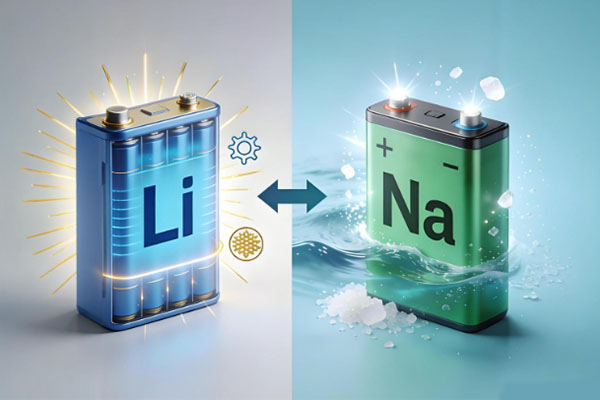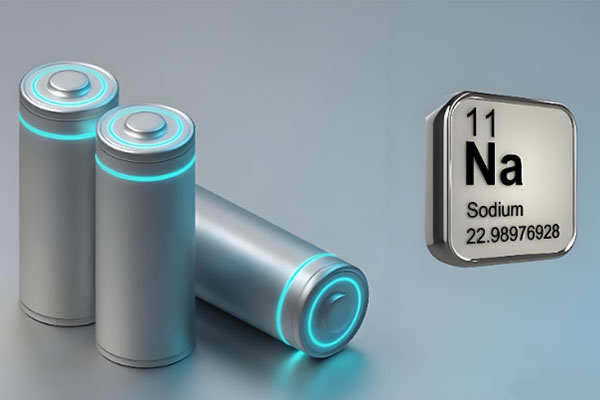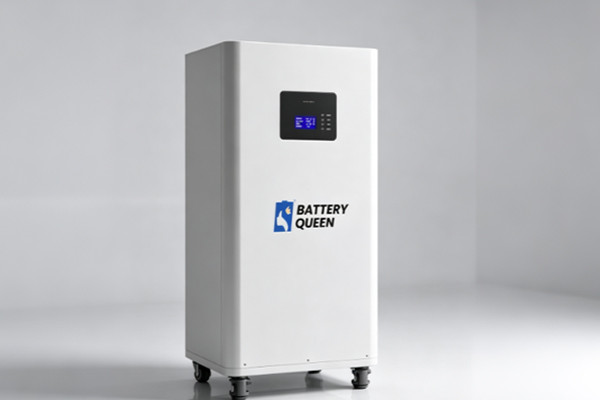
As the energy storage, electric mobility, and renewable energy industries continue to develop, sodium-ion batteries and LiFePO4 batteries have become two increasingly important battery technologies. LiFePO4 stands for lithium iron phosphate and is widely recognized for its mature technology, long cycle life, and good safety performance. Sodium-ion batteries use sodium ions as the primary charge carriers and offer potential advantages in raw material availability and low-temperature performance.
So, what is the difference between sodium-ion batteries and LiFePO4 batteries? There is no simple answer as to which technology is better. The right choice depends on factors such as the application, operating temperature, cost, energy density, and overall energy storage requirements.
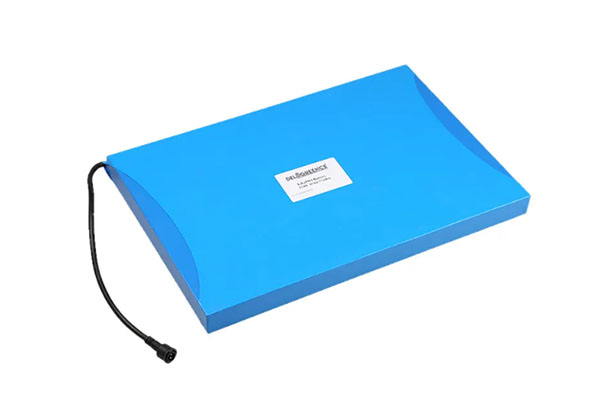
How Do Sodium-Ion and LiFePO4 Batteries Work Differently?
Sodium-Ion Batteries
Sodium-ion batteries store and release electrical energy through the movement of sodium ions between the positive and negative electrodes. During charging, sodium ions move from the cathode and are stored in the anode. During discharge, the ions move back toward the cathode, generating an electric current.
Sodium is an abundant element that is widely available in nature. As a result, sodium-ion batteries can reduce dependence on lithium resources and provide an alternative technology route for the battery industry.
LiFePO4 Batteries
LiFePO4 batteries are a type of lithium-ion battery that uses lithium iron phosphate as the cathode material, while graphite is commonly used as the anode.
LiFePO4 has a relatively stable chemical structure and has been widely used in electric vehicles, energy storage systems, communication power supplies, and other applications.
After years of development, LiFePO4 has established a mature supply chain covering battery materials, cell manufacturing, battery management systems, and energy storage system integration.
What Is the Difference in Energy Density?
LiFePO4 Generally Offers Higher Energy Density
Energy density determines how much electrical energy a battery can store relative to its weight or volume. Mature LiFePO4 batteries generally offer higher energy density than sodium-ion batteries, giving them an advantage in electric vehicles and energy storage equipment where space is limited.
For energy storage cabinets, portable power systems, and electric vehicles, higher energy density allows more usable energy to be installed within a limited space.
Sodium-Ion Battery Energy Density Is Still Improving
The energy density of sodium-ion batteries is currently generally lower than that of mainstream LiFePO4 batteries. This is partly related to the inherent characteristics of sodium-based battery materials.
However, for commercial and industrial energy storage and large-scale stationary energy storage, battery weight and volume are usually less restrictive than in electric vehicles. Therefore, lower energy density does not necessarily prevent sodium-ion batteries from being used in these applications.
How Do Their Low-Temperature Performances Compare?
Sodium-Ion Batteries Offer Low-Temperature Advantages
Low-temperature operation has long been a challenge for certain lithium-ion battery technologies. As temperatures decrease, internal resistance may increase and charging and discharging performance can decline.
Sodium-ion batteries generally demonstrate good capacity retention and charging and discharging performance at low temperatures. This gives them potential advantages in energy storage systems, outdoor equipment, and certain electric mobility applications in cold regions.
LiFePO4 Batteries Require More Attention to Thermal Management in Cold Conditions
LiFePO4 batteries provide strong overall performance under normal temperatures, but their charging and discharging capability can decrease in low-temperature environments.
When LiFePO4 batteries are used in cold climates, battery preheating, temperature control systems, and optimized BMS strategies may be required to maintain stable operation.
For energy storage projects that operate in low-temperature environments throughout the year, low-temperature performance should therefore be an important factor in battery selection.
What Are the Differences in Raw Materials and Cost?
Sodium Resources Are More Abundant
Sodium is one of the most abundant elements in nature and can be sourced relatively widely. Since sodium-ion batteries do not rely on lithium resources, they offer potential advantages in terms of supply chain diversification.
As sodium-ion battery production expands and manufacturing technologies mature, the technology has the potential to become increasingly cost-competitive.
LiFePO4 Has a More Mature Supply Chain
LiFePO4 has been used on a large scale for many years and has established a comprehensive industrial supply chain covering raw materials, battery cell manufacturing, and energy storage system integration.
As a result, businesses purchasing LiFePO4 batteries can generally access mature products and standardized solutions more easily. Sodium-ion battery commercialization is still developing, and products from different manufacturers may vary in terms of technical approaches and performance.
How Do Their Safety and Cycle Life Compare?
LiFePO4 Has a Proven Safety Track Record
The stable structure of lithium iron phosphate contributes to its good thermal stability, which is one reason why LiFePO4 batteries are widely used in energy storage and power applications.
However, battery safety cannot be determined solely by the cathode material. Cell design, BMS protection, battery management, thermal management, system integration, and fire protection all influence the overall safety of an energy storage system.
Sodium-Ion Batteries Have Strong Development Potential
Sodium-ion batteries use a different electrochemical system from LiFePO4 batteries. Their safety, cycle life, and rate performance are continuing to improve as the technology develops.
When selecting a battery, businesses should pay attention to actual product testing data rather than judging safety or performance solely based on the battery type.
What Applications Are Suitable for Sodium-Ion and LiFePO4 Batteries?
LiFePO4 Is Suitable for Projects Requiring Mature Technology
If a project prioritizes a mature supply chain, relatively high energy density, long-term operating experience, and standardized energy storage products, LiFePO4 remains an important choice.
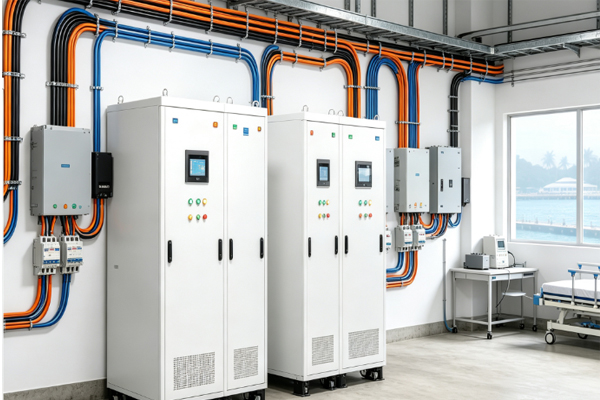
Typical applications include commercial and industrial energy storage, residential energy storage, solar energy storage, electric vehicles, low-speed electric vehicles, and backup power systems.
Sodium-Ion Batteries Are Suitable for Specific Applications
If a project places greater emphasis on low-temperature performance, supply chain diversification, and stationary energy storage, sodium-ion batteries have considerable development potential.
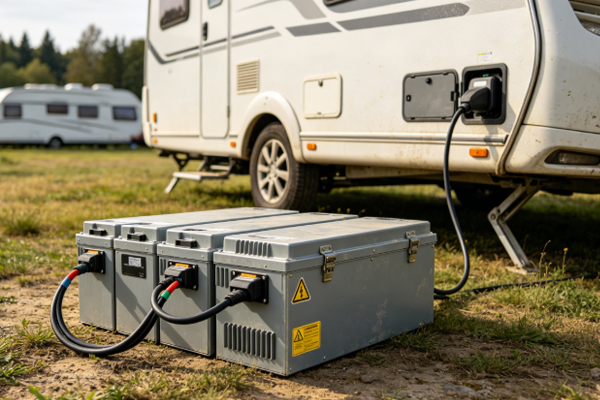
They may be particularly suitable for cold regions, outdoor energy storage, renewable energy storage, and other applications where battery weight is not a primary concern.
How Should You Choose Between Sodium-Ion and LiFePO4 Batteries?
When selecting an energy storage battery, businesses should not compare battery prices alone. Key factors include energy density, cycle life, low-temperature performance, safety, system efficiency, operating environment, supply chain maturity, and total lifecycle cost.
If installation space is limited and a mature product and supply system are the top priorities, LiFePO4 batteries may offer greater advantages. If the project operates in a cold environment or aims to reduce dependence on lithium resources, sodium-ion batteries may be worth considering.
For commercial and industrial customers, the most practical approach is to select the battery technology according to actual application requirements rather than simply assuming that one technology will completely replace the other.
Conclusion
Overall, sodium-ion and LiFePO4 batteries each have their own advantages. LiFePO4 batteries offer a mature supply chain, relatively high energy density, and extensive application experience, while sodium-ion batteries have potential advantages in resource availability, low-temperature performance, and supply chain diversification.
As sodium-ion battery materials, manufacturing processes, and large-scale production continue to improve, both technologies are likely to coexist and serve different applications across the renewable energy and energy storage industries.
For commercial and industrial energy storage projects, selecting the right battery technology based on the operating environment, energy requirements, and lifecycle economics is essential for achieving reliable performance and a reasonable return on investment.