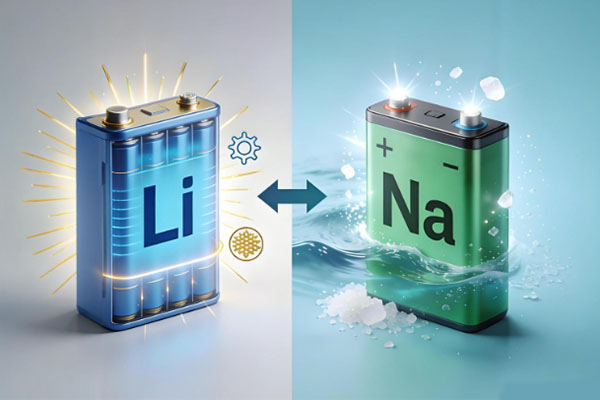
As the new energy storage market continues to expand, sodium-ion batteries are moving from laboratory research toward commercial applications. With abundant sodium resources and good low-temperature performance, sodium-ion batteries are increasingly considered an alternative to lithium iron phosphate (LFP) batteries. But can sodium-ion batteries really replace LFP batteries? The answer is not simply yes or no. It depends on several factors, including the application scenario, cost, energy density, cycle life, safety, and supply chain maturity.
At present, sodium-ion batteries are more likely to complement LFP batteries rather than completely replace them. The International Energy Agency (IEA) notes that the energy density of sodium-ion batteries remains lower than that of the latest LFP batteries, while sodium-ion technology offers advantages in low-temperature performance and has promising potential in stationary energy storage applications.
What Is the Difference Between Sodium-Ion Batteries and LFP Batteries?
Different Battery Chemistry
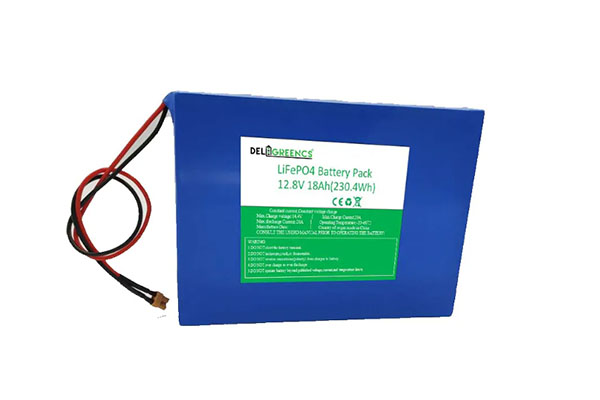
Lithium iron phosphate batteries are a type of lithium-ion battery. Their cathode material is mainly lithium iron phosphate, while graphite is commonly used as the anode. Sodium-ion batteries use sodium ions as the primary charge carriers and do not require lithium resources.
This difference in battery chemistry allows sodium-ion batteries to reduce dependence on lithium resources. For the long-term development of the energy storage industry, having multiple battery technologies can also help reduce the impact of supply chain fluctuations involving a single material.
Differences in Energy Density
Energy density is an important indicator of battery performance. At present, the energy density of sodium-ion batteries is generally lower than that of advanced LFP batteries. According to the IEA, the highest energy density of the latest sodium-ion cells is around 175 Wh/kg, compared with approximately 205 Wh/kg for the latest LFP cells.
For electric vehicles, where space and weight are strictly limited, this difference can be significant. However, in stationary applications such as commercial and industrial energy storage and solar energy storage, installation space is generally less restrictive. As a result, energy density is not the only factor determining battery selection.
What Advantages Do Sodium-Ion Batteries Offer Over LFP?
More Abundant Raw Materials
The abundance of sodium is one of the key reasons for the growing interest in sodium-ion batteries. Because sodium-ion technology does not require lithium, it provides an alternative battery chemistry outside the traditional lithium supply chain.
When lithium prices experience significant fluctuations, the diversified supply chain offered by sodium-ion batteries can become more valuable. The IEA considers sodium-ion technology a potential way to reduce dependence on lithium resources and improve battery supply chain diversification.
Better Low-Temperature Performance
Low-temperature performance is one of the most notable characteristics of sodium-ion batteries. Compared with LFP batteries, sodium-ion batteries generally offer better capacity retention in cold environments.
According to the IEA, some of the latest sodium-ion batteries can retain around 90% of their nominal capacity at temperatures as low as -40°C and can operate at relatively high temperatures.
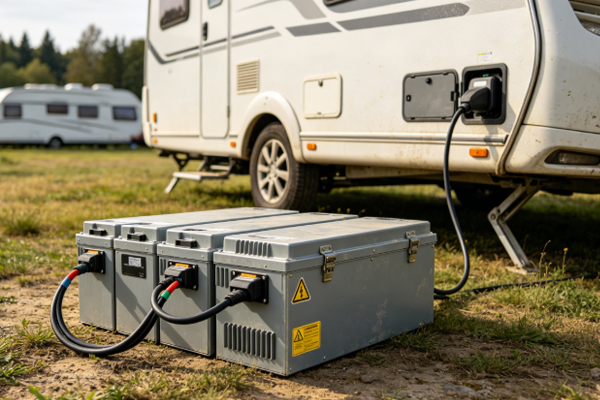
This makes sodium-ion batteries particularly attractive for energy storage systems in cold regions, outdoor energy storage cabinets, communication base stations, and other applications exposed to low temperatures.
Potential for Lower Energy Storage Costs
Sodium-ion batteries do not rely on lithium resources, which gives them potential advantages in terms of material costs and supply chain diversification. As manufacturing capacity expands and production processes improve, their cost competitiveness could increase further.
However, it would be inaccurate to assume that sodium-ion batteries are already cheaper than LFP batteries in every application. The IEA notes that under current lithium price conditions, sodium-ion batteries still face challenges in competing with LFP solely on cost.
Therefore, the actual economic advantage should be evaluated based on battery cost, system cost, service life, operating conditions, and total lifecycle cost.
Why Is It Still Difficult for Sodium-Ion Batteries to Completely Replace LFP?
A More Mature LFP Supply Chain
LFP batteries have already established a large-scale industrial supply chain across electric vehicles and energy storage. From cathode and anode materials to cell manufacturing, BMS technology, and energy storage system integration, the LFP ecosystem is relatively mature.
The IEA reports that LFP remains an important battery technology, particularly in stationary energy storage applications.
Although sodium-ion battery production is expanding, its overall industrial scale is still much smaller than that of lithium-ion batteries. Global sodium-ion battery production in 2025 remained less than 1% of lithium-ion battery production.
Higher Energy Density of LFP
For the same battery capacity, higher energy density generally means that less physical space is required. For energy storage projects with limited land or battery container space, LFP batteries currently retain an advantage.
More Suppliers and Application Experience
After years of commercial deployment, LFP batteries have accumulated extensive application experience in the energy storage sector. Businesses can more easily access mature products, technical support, and integrated energy storage solutions.
Sodium-ion batteries are still undergoing rapid commercialization. Different manufacturers may use different technical approaches, and their product specifications and long-term operating data can vary.
What Factors Determine Whether Sodium-Ion Batteries Can Replace LFP?
Energy Density Requirements
If an energy storage project has limited installation space, LFP may be more suitable. If sufficient installation space is available, the lower energy density of sodium-ion batteries may not be a major disadvantage.
Local Temperature Conditions
In extremely cold regions, the low-temperature performance of sodium-ion batteries can become an important advantage. In warm climates, however, this advantage may be less significant.
Total Lifecycle Cost
The initial purchase price should not be the only factor when comparing battery technologies. Businesses should also evaluate cycle life, system efficiency, maintenance costs, thermal management requirements, and replacement costs.
Supply Chain Maturity
LFP currently has a more mature supply chain, while sodium-ion battery manufacturing and material supply systems are still developing. For large-scale, long-term energy storage projects, supply chain stability should be carefully considered.
Energy Storage Application
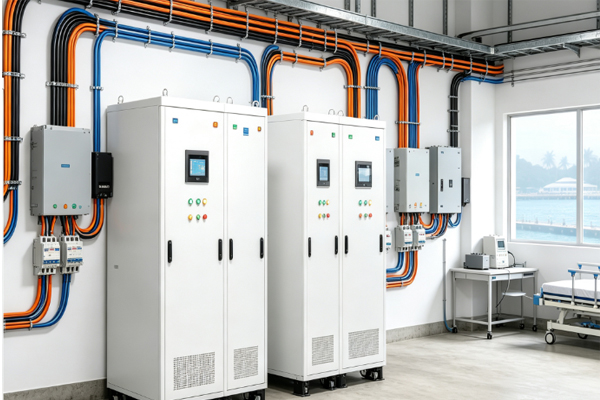
Stationary energy storage generally has less demanding energy density requirements than electric vehicles. This gives sodium-ion batteries greater development potential in commercial and industrial energy storage, renewable energy storage, and certain grid-scale applications.
Will Sodium-Ion Batteries Completely Replace LFP in the Future?
Based on current market and technology development, sodium-ion batteries are more likely to complement LFP batteries than completely replace them in the short term.
LFP batteries continue to offer advantages in energy density, supply chain maturity, and current manufacturing scale. Sodium-ion batteries, on the other hand, have potential advantages in low-temperature performance, resource diversification, and selected stationary energy storage applications.
The IEA also indicates that sodium-ion batteries still face challenges related to energy density and production scale, but they already have practical value in specific applications such as cold climates and stationary energy storage.
If sodium-ion technology continues to improve its energy density, reduce manufacturing costs, and establish a more mature supply chain, its market share is likely to increase.
How Should Businesses Choose Between Sodium-Ion and LFP Batteries?
For businesses, choosing between sodium-ion and LFP batteries should not be based on a single specification. The decision should be made according to the actual requirements of the energy storage project.
If a project prioritizes a mature supply chain, higher energy density, and well-established energy storage solutions, LFP remains a strong option. If the project is located in a cold climate, aims to reduce dependence on lithium resources, or has relatively flexible space requirements, sodium-ion batteries may provide greater value.
For energy storage battery suppliers such as DeliGreen, providing battery solutions according to specific customer requirements is more practical than claiming that one battery technology can completely replace another.
Whether sodium-ion batteries can replace LFP ultimately depends on the application scenario rather than a single technical specification. As sodium-ion battery technology and its supply chain continue to mature, the future energy storage market is likely to feature multiple technologies, including LFP and sodium-ion batteries, developing alongside each other.