As the new energy vehicle market continues to grow, power batteries are facing increasingly demanding requirements for fast charging, long cycle life, low-temperature performance, and operational safety. Conventional lithium-ion batteries have advantages in energy density and cost, but they may face limitations in high-frequency charging and discharging, extreme-temperature operation, and rapid energy replenishment. LTO batteries, also known as Lithium Titanate batteries, are attracting attention in the new energy vehicle industry because of their excellent rate performance, long cycle life, and reliable low-temperature characteristics. These advantages make LTO battery technology particularly suitable for vehicles that require frequent charging and stable long-term operation.
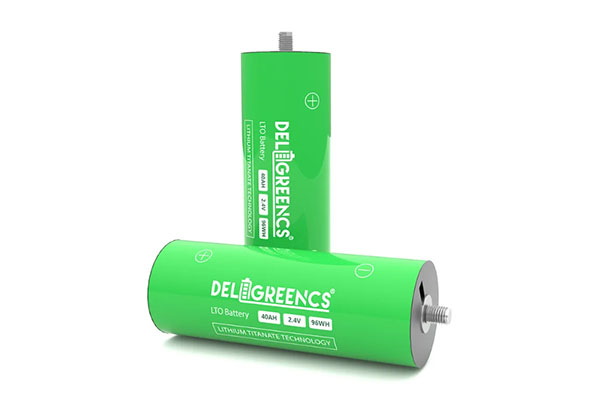
What Is an LTO Battery?
Basic Working Principle of LTO Batteries
An LTO battery is a type of lithium-ion battery that uses lithium titanate as the anode material. Compared with conventional graphite-based anodes, lithium titanate has excellent structural stability and undergoes relatively little volume change during repeated charging and discharging. This characteristic helps reduce capacity degradation over long-term battery operation.
For new energy vehicles, a power battery must not only provide sufficient energy but also withstand frequent starting, acceleration, regenerative braking, and rapid charging. The material characteristics of LTO batteries make them particularly suitable for high-frequency charge and discharge applications.
Key Advantages of LTO Batteries
The main advantages of LTO batteries are not simply focused on achieving higher energy density. Instead, LTO technology emphasizes fast charging, long cycle life, and stable operation.
These characteristics are valuable for applications such as electric buses, urban delivery vehicles, shuttle vehicles, and other commercial vehicles that operate frequently throughout the day. LTO batteries can also offer good low-temperature performance, making them suitable for applications that require reliable operation in cold environments.
Major Applications of LTO Batteries in New Energy Vehicles
Electric Buses
Urban buses typically operate on fixed routes for long periods and have limited opportunities for charging. LTO batteries can take advantage of short charging periods at bus terminals or designated charging stations, helping reduce the impact of long charging times on daily operations.
For high-frequency public transportation, battery cycle life is another critical factor. The long cycle life of LTO batteries can help reduce the pressure associated with frequent battery replacement and long-term operating costs.
Urban Logistics and Delivery Vehicles
Urban logistics vehicles often operate for extended periods every day and experience frequent starting and stopping. This creates high demands on the vehicle’s power system.
With their excellent rate performance and high cycle life, LTO batteries can support frequent charging and discharging. This makes them potentially suitable for express delivery vehicles, warehouse logistics, industrial parks, and short-distance transportation applications.
New Energy Special-Purpose Vehicles
Airport shuttle buses, port transportation vehicles, mining vehicles, sanitation vehicles, and industrial park shuttles generally place greater emphasis on reliability, charging efficiency, and service life rather than maximum driving range alone.
These characteristics are well matched with the strengths of LTO battery technology. As a result, special-purpose new energy vehicles may become an important market for the future expansion of LTO batteries.
Challenges Facing LTO Batteries
Energy Density Needs Further Improvement
Compared with some high-energy-density lithium battery technologies, LTO batteries generally provide lower energy density. This means that under the same weight and volume, an LTO battery system may store less energy.
For vehicles that require long-distance driving, a larger battery pack may therefore be necessary. This is one reason why LTO batteries are currently more suitable for urban buses, short-distance logistics vehicles, and fixed-route transportation than for every type of passenger electric vehicle.
Cost Remains an Important Consideration
The materials and manufacturing processes used for LTO batteries can influence the overall battery cost. For new energy vehicle manufacturers, the total cost includes not only battery cells but also the battery management system (BMS), thermal management, structural design, and charging infrastructure.
Therefore, the future market potential of LTO batteries will depend on continued improvements in material technology, manufacturing scale, and battery system integration.
Future Development Trends of LTO Batteries
Greater Focus on Ultra-Fast Charging
Charging efficiency is becoming increasingly important in the new energy vehicle industry. LTO batteries can take advantage of their excellent rate capability to work with high-power charging systems.
In the future, LTO battery systems may provide more efficient charging solutions for electric buses, logistics vehicles, and urban transportation fleets that require frequent energy replenishment.
Deeper Integration with Smart BMS
The battery management system is an essential component for managing battery safety, performance, and operating efficiency. An intelligent BMS can monitor parameters such as voltage, current, temperature, and state of charge (SOC) in real time while optimizing charging and discharging strategies according to actual vehicle conditions.
For customized LTO battery systems, parameters such as battery capacity, voltage, battery pack design, BMS, and connectors can be configured according to specific application requirements. This type of OEM and ODM flexibility is particularly valuable for new energy vehicle manufacturers and system integrators.
From Individual Batteries to Integrated Energy Solutions
Future competition in the new energy vehicle battery market will not focus solely on battery cells. Instead, the industry is expected to move toward integrated solutions combining battery cells, battery packs, BMS, charging systems, and energy management.
With their fast-charging capability and long service life, LTO batteries can be integrated with different vehicle platforms and charging infrastructures to create more complete and application-specific power solutions.
Conclusion
Overall, LTO batteries are not simply a replacement for conventional power batteries. They are a specialized battery technology designed for applications requiring high-frequency charging, long cycle life, low-temperature operation, and rapid energy replenishment.As new energy vehicle applications become increasingly diversified, LTO batteries have significant potential in electric buses, urban logistics vehicles, special-purpose vehicles, and fixed-route transportation.
For new energy vehicle manufacturers and battery system integrators, selecting the right battery technology based on operating frequency, driving range, charging conditions, and environmental temperature is more important than simply pursuing the highest energy density.With continued advances in battery materials, battery management systems, and fast-charging technology, LTO batteries are expected to establish an increasingly clear market position and become an important solution for specific new energy vehicle applications.