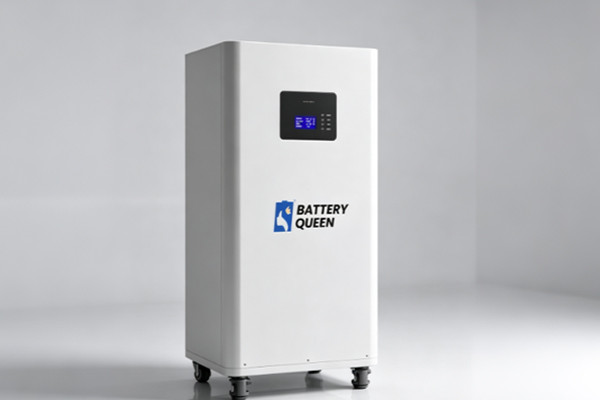
As solar power, wind power, and other renewable energy sources continue to expand, energy storage systems are becoming increasingly important. Renewable energy generation is often intermittent and affected by weather conditions, creating a need for battery energy storage systems to store and regulate electricity.
Among the various battery technologies available today, sodium-ion batteries are attracting increasing attention because of their abundant raw materials, promising low-temperature performance, and potential suitability for large-scale energy storage applications.
So, why do energy storage systems need sodium-ion batteries? What advantages do they offer compared with conventional lithium-ion batteries, and which energy storage applications are most suitable for sodium-ion technology?
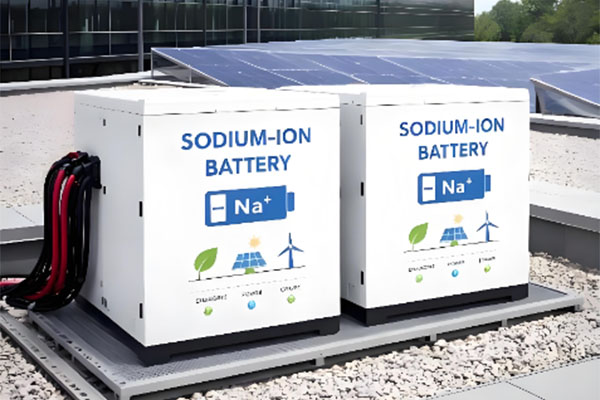
Why Do Energy Storage Systems Need New Battery Technologies?
Renewable Energy Generation Is Intermittent
Solar power generation depends on sunlight, while wind power depends on weather conditions. As a result, electricity generation does not always match actual power demand.
Energy storage systems can store excess electricity when renewable generation is high and release it when demand increases. This helps improve renewable energy utilization and provides greater flexibility for the power system.
As energy storage projects become larger, the market is placing greater emphasis on battery cost, supply availability, cycle life, safety, and long-term reliability.
Energy Storage Is Less Sensitive to Battery Weight
For electric vehicles, reducing battery weight is important because battery weight directly affects driving range and vehicle efficiency. Therefore, high energy density is a major consideration for EV batteries.
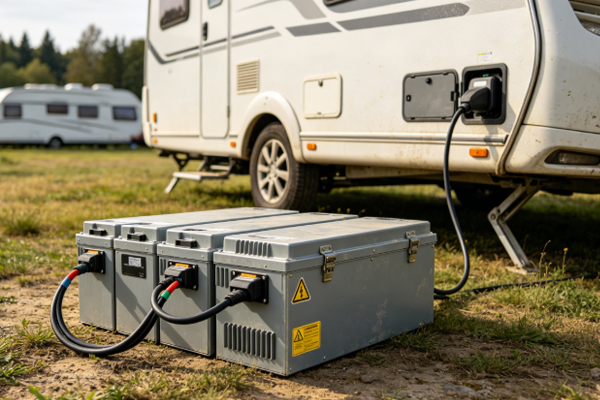
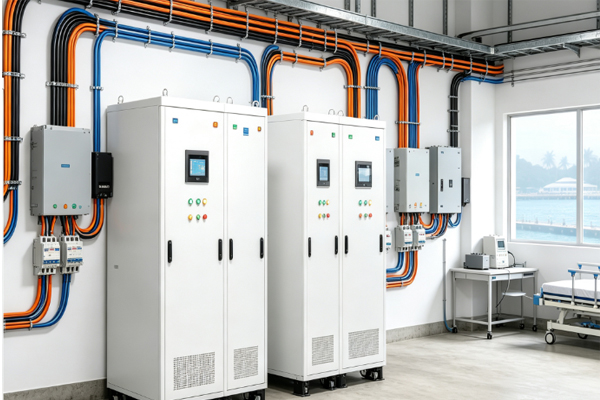
Fixed energy storage systems are different. Batteries are usually installed in storage cabinets, containers, or power stations, so weight is generally less restrictive.
This creates an opportunity for battery technologies with lower energy density than advanced lithium-ion batteries to compete in stationary energy storage applications.
Why Are Sodium-Ion Batteries Suitable for Energy Storage?
Abundant Sodium Resources
Sodium is widely available and has a strong resource foundation. Sodium-ion batteries use sodium ions as charge carriers rather than relying on lithium ions.
This can help diversify battery technology and reduce dependence on lithium resources, which is particularly relevant for large-scale energy storage projects that require substantial quantities of batteries.
Promising Low-Temperature Performance
Energy storage systems can be deployed in many different climates, including cold regions, outdoor renewable energy sites, and areas with significant temperature fluctuations.
Some sodium-ion battery technologies demonstrate promising capacity retention and discharge performance at low temperatures. This gives sodium-ion batteries potential advantages in cold-weather energy storage applications.
Actual performance, however, depends on the cell chemistry, battery design, BMS, and thermal management system.
Suitable for Stationary Energy Storage
Energy storage projects generally focus on cost per stored kilowatt-hour, cycle life, safety, operating stability, and total lifecycle cost rather than simply maximizing energy density.
Sodium-ion batteries can be designed with different capacities and voltage configurations according to the requirements of energy storage systems. This makes them a potential solution for commercial and industrial energy storage, renewable energy storage, and microgrid applications.
What Energy Storage Applications Can Use Sodium-Ion Batteries?
Solar and Wind Energy Storage
Solar and wind power are typical intermittent energy sources. Sodium-ion energy storage batteries can store excess electricity generated by renewable energy systems and release it when electricity is needed.
This approach can reduce renewable energy curtailment and improve the overall utilization efficiency of solar and wind power systems.
Commercial and Industrial Energy Storage
Factories, commercial buildings, and logistics parks often have significant differences between peak and off-peak electricity prices.
An energy storage system can charge during periods of lower electricity prices and discharge during peak-price periods, helping users optimize electricity costs.
Sodium-ion batteries can serve as one of the battery solutions for commercial and industrial energy storage, particularly for projects that prioritize cost control and long-term operating stability.
Microgrids and Backup Power
Reliable backup power is essential for remote areas, communication base stations, data centers, and other critical infrastructure.
Sodium-ion battery energy storage systems can work together with solar, wind, and other power sources to provide energy support for microgrids and backup power applications.
What Should You Consider When Choosing Sodium-Ion Batteries for Energy Storage?
Battery Cell Performance
When purchasing sodium-ion batteries, users should evaluate cell capacity, cycle life, charge and discharge rates, operating temperature range, and cell consistency.
Different sodium-ion battery chemistries can have significantly different performance characteristics. Therefore, product quality should not be judged simply by whether a battery is classified as a sodium-ion battery.
BMS and Thermal Management
Energy storage batteries are designed for long-term operation, making the battery management system (BMS) a critical component.
A reliable BMS can monitor key parameters such as voltage, temperature, current, and state of charge (SOC). For outdoor installations or cold-weather applications, an appropriate thermal management system may also be required to maintain stable battery operation.
System Safety and Total Lifecycle Cost
Energy storage projects should not be evaluated solely according to the initial battery purchase price.
Installation costs, maintenance requirements, cycle life, auxiliary equipment, system efficiency, and operating expenses should all be considered.
Calculating the total lifecycle cost can provide a more accurate basis for determining whether sodium-ion batteries are suitable for a specific energy storage project.
Will Sodium-Ion Batteries Replace Lithium-Ion Batteries in Energy Storage?
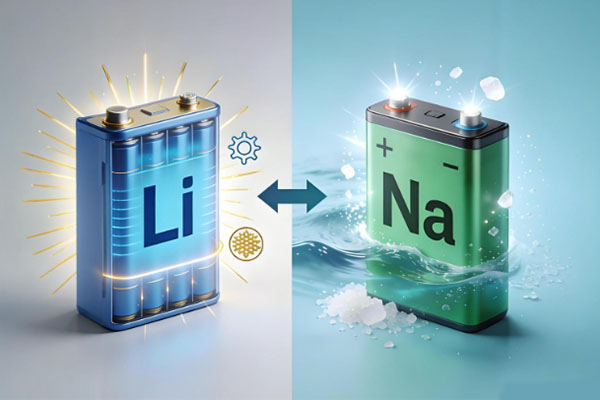
Sodium-ion batteries are more likely to complement lithium-ion batteries rather than completely replace them.
For applications requiring extremely high energy density, lithium-ion batteries continue to offer important advantages. For stationary energy storage, cold-weather applications, and projects that place greater emphasis on resource availability and cost, sodium-ion batteries have significant development potential.
As cell materials, manufacturing processes, and system integration technologies continue to improve, sodium-ion batteries are expected to become an increasingly important technology option in the energy storage market.
The growing need for sodium-ion batteries in energy storage systems is driven by the demand for more diversified, reliable, and scalable battery technologies.
Abundant sodium resources, promising low-temperature performance, and suitability for stationary applications give sodium-ion batteries strong potential in renewable energy storage, commercial and industrial energy storage, microgrids, and backup power systems.
For energy storage developers and battery purchasers, selecting a sodium-ion battery should involve a comprehensive evaluation of capacity requirements, operating temperature, cycle life, BMS, system safety, and total lifecycle cost.
As sodium-ion battery technology continues to mature, it is expected to play an increasingly important role in the global energy storage market and provide an additional pathway for the large-scale deployment of renewable energy.