As data centers, manufacturing plants, communication base stations, commercial buildings, and automated equipment place increasingly high demands on reliable power supplies, backup energy has become an important part of modern business infrastructure. Compared with traditional lead-acid batteries and some conventional lithium battery technologies, LTO batteries are attracting growing attention because of their fast charging capability, long cycle life, stable operation, and strong environmental adaptability.
For businesses, a backup power system is not only expected to provide electricity during a power outage. It must also maintain stable performance over years of operation. Therefore, choosing the right battery technology can directly affect equipment reliability, maintenance costs, and the overall service life of the backup energy system.
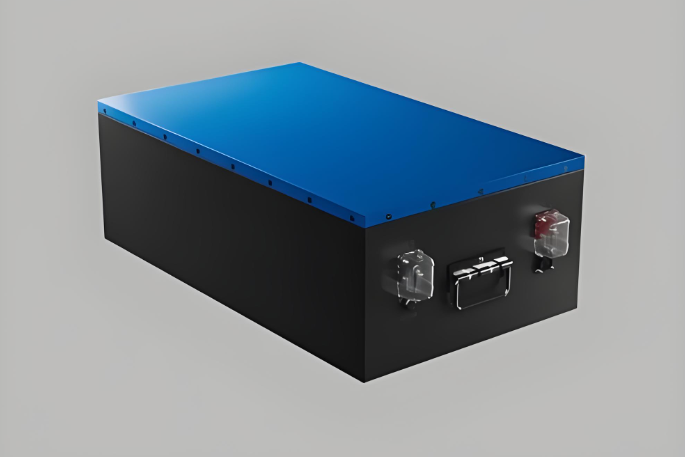
Why Are LTO Batteries Suitable for Business Backup Energy?
Long Cycle Life Reduces Replacement Frequency
Business backup power systems are typically kept on standby for long periods and need to respond quickly when a power outage or grid fluctuation occurs. If the battery has a short service life, frequent replacement can increase purchasing costs as well as labor and maintenance expenses.
LTO batteries use lithium titanate as the anode material, which has good structural stability during repeated charging and discharging. As a result, LTO batteries are generally capable of achieving a long cycle life.
This characteristic is particularly valuable for energy storage systems that undergo frequent charging and discharging or participate in peak shaving and valley filling.
Fast Charging Improves System Recovery
A backup energy system is not necessarily used only during power outages. In some commercial and industrial applications, batteries may need to recharge within a short period so that they are ready for the next backup event.
LTO batteries offer excellent fast-charging performance. When a system requires frequent short charging periods, faster charging can reduce downtime and improve overall energy system availability.
For continuous-production factories, automated warehouses, and communication equipment, fast battery charging can provide significant practical benefits.
Battery Safety Is Another Major Consideration for Businesses
Stable Material Structure
When selecting a backup energy system, businesses often place safety above simply maximizing battery capacity. Batteries may be installed in server rooms, factories, warehouses, communication cabinets, or commercial buildings. A serious battery safety incident could affect both equipment and personnel.
Lithium titanate has good thermal and structural stability. Under appropriate electrical design and operating conditions, LTO technology can help reduce certain battery safety risks. This makes LTO batteries an attractive option for industrial and commercial applications where safety and reliability are important.
BMS Plays a Critical Role
Battery safety cannot be evaluated based only on the battery cell chemistry. The BMS (Battery Management System) is another essential component of a backup energy system.
A suitable BMS can monitor battery voltage, current, temperature, and cell consistency while providing protection against overcharging, over-discharging, overcurrent, and abnormal temperatures.
For business users, selecting an LTO battery should therefore involve evaluating not only the battery cells but also the BMS and overall system design.
LTO Batteries Offer Strong Environmental Adaptability
Good Performance in Low-Temperature Conditions
Some business backup energy systems may be installed outdoors, in warehouses, communication cabinets, or other environments where temperatures fluctuate significantly. Low temperatures can affect the charging and discharging performance of many battery technologies, making operating temperature an important selection factor.
LTO batteries generally offer relatively good performance in low-temperature environments. This makes them suitable for certain cold-weather regions and backup power projects where reliable low-temperature operation is required.
More Suitable for Frequent Cycling
If a backup battery is used only a few times a year, purchase price and maintenance costs may be the primary considerations. However, for businesses that require frequent charging and discharging, such as peak-shaving systems, microgrids, and high-frequency energy storage projects, cycle life becomes much more important.
Because LTO batteries can withstand frequent charging and discharging, they can be a competitive option for these applications.
What Parameters Should Businesses Consider When Choosing LTO Batteries?
Battery Capacity and Output Power
The first requirement for any backup energy system is to meet the power demands of the connected equipment. Businesses should calculate the appropriate battery capacity based on load power, required backup time, and equipment startup current.
A larger battery is not always better. An undersized battery may not provide sufficient backup time, while an oversized battery can increase the initial investment and installation space requirements.
Charge and Discharge Rate and Cycle Life
If the system requires fast charging or frequent operation, businesses should pay close attention to the battery’s charge and discharge rates and cycle-life specifications.
It is also important to understand the testing conditions behind these specifications, including ambient temperature, depth of discharge, and charging or discharging rate.
Only specifications tested under comparable conditions can provide a meaningful basis for comparing different battery solutions.
BMS Communication and System Compatibility
In business-scale backup energy systems, batteries often need to communicate with UPS systems, power conversion systems, energy management systems, or other equipment. Therefore, BMS communication protocols and system compatibility are also important.
Before purchasing an LTO battery, businesses should confirm that the battery voltage, communication interface, connectors, installation dimensions, and protection parameters are compatible with the existing system.
What Business Applications Are Suitable for LTO Backup Energy?
Data Centers and Communication Equipment
Data centers and communication systems have extremely high requirements for power continuity. Even a short power interruption can cause equipment downtime, making fast response and stable power output essential.
The long cycle life and fast charging characteristics of LTO batteries make them a potential backup power solution for certain data centers, communication base stations, and UPS systems.
Factories and Automated Production Lines
Manufacturing facilities often rely on large numbers of automated machines. A sudden power outage can interrupt production and potentially cause material losses.
A reliable LTO backup energy system can provide temporary power to critical equipment during grid abnormalities, helping reduce the risks associated with unexpected power interruptions.
Commercial Buildings and Energy Storage Systems
Shopping centers, office buildings, warehouses, and other commercial facilities can also deploy backup energy systems according to their actual power requirements.
For systems that serve both backup power and daily energy storage functions, battery cycle life and charge-discharge performance are particularly important.
Why Are LTO Batteries Becoming a New Choice for Business Backup Energy?
Businesses are gradually moving beyond the simple question of whether a battery can provide backup power. Increasingly, they are looking for solutions that can operate reliably and economically over the long term.
LTO batteries stand out for their long cycle life, fast charging capability, stable operation, and low-temperature performance. These characteristics make them particularly attractive for applications requiring frequent cycling, rapid energy replenishment, long-term operation, and high reliability.
Of course, LTO batteries are not suitable for every business or every energy storage project. Factors such as energy density and initial investment cost should still be evaluated based on the specific application.
For businesses that require frequent charging and discharging, fast charging, long-term operation, and strong safety performance, LTO batteries can offer significant value.
When selecting an LTO battery, businesses should consider load power, required backup time, operating environment, charging and discharging frequency, BMS functions, and system compatibility. Matching battery specifications to actual application requirements is the key to maximizing the long-term value of an LTO backup energy system.