With the development of electric vehicles, energy storage systems, industrial equipment, and backup power solutions, battery lifespan has become one of the most important factors for users. LTO batteries (Lithium Titanate Batteries) are gaining attention because of their fast charging capability, long cycle life, and high safety performance.
However, when purchasing or selecting an LTO battery, capacity and price are not the only factors that matter. Different LTO battery models and manufacturing processes can result in significant differences in performance. Understanding the key battery specifications can help users choose the right product for their specific application.
Here are eight important performance parameters to consider before choosing an LTO battery.
Battery Capacity: Determines How Much Energy Can Be Stored
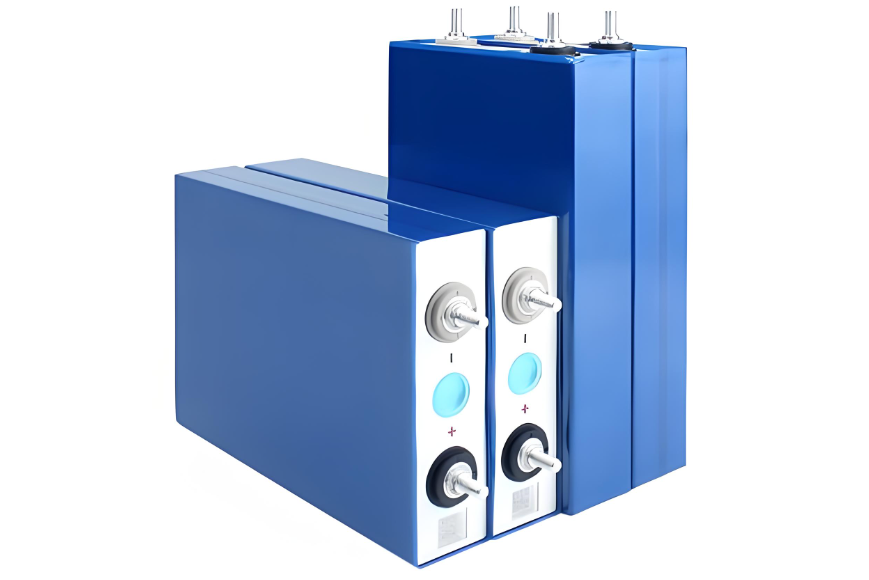
Battery capacity is one of the most important LTO battery specifications and is usually measured in Ah (ampere-hours).
A higher capacity means that the battery can store more energy and generally provide a longer operating time. For applications such as energy storage systems, electric vehicles, and industrial equipment, the appropriate LTO battery capacity should be selected according to the actual power requirements.
However, a larger capacity is not always better. An oversized battery may increase system cost and weight, while insufficient capacity may fail to meet the equipment’s operating requirements. Therefore, battery capacity should be evaluated together with the application, voltage requirements, and expected operating time.
Nominal Voltage: Affects System Compatibility
Nominal voltage is another important parameter when designing an LTO battery system.
Unlike many conventional lithium batteries, individual LTO cells typically have a relatively low nominal voltage, usually around 2.3V to 2.4V. Multiple cells therefore need to be connected in series to create a battery pack that meets the voltage requirements of a specific application.
When selecting an LTO battery, make sure its voltage is compatible with the overall system, including inverters, motor controllers, chargers, and other electrical components.
Cycle Life: Determines Long-Term Value
Cycle life is one of the most notable advantages of LTO batteries.
While conventional lithium-ion batteries may experience noticeable capacity degradation after hundreds or several thousand cycles, high-quality LTO batteries can typically achieve more than 5,000 cycles, with some products reaching over 10,000 cycles.
For applications that require frequent daily charging and discharging, such as energy storage systems, electric buses, and AGV equipment, cycle life has a direct impact on long-term operating costs.
When evaluating LTO battery products, it is important to check the manufacturer’s cycle life test data and understand the testing conditions behind the claimed results.
Charge and Discharge Rate: Influences Charging Speed and Power Output
The C-rate indicates how quickly a battery can be charged or discharged relative to its capacity.
One of the key advantages of LTO batteries is their excellent rate performance. Compared with many conventional lithium batteries, LTO batteries can support high-rate charging and discharging, allowing them to replenish and deliver energy quickly.
For fast-charging equipment, high-power industrial machinery, and systems with frequent start-stop cycles, strong rate performance can significantly improve overall operating efficiency.
When selecting an LTO battery, check both the maximum charging rate and maximum discharge rate based on the actual requirements of the application rather than focusing only on capacity.
Internal Resistance: Affects Efficiency and Heat Generation
Internal resistance directly affects a battery’s energy efficiency and heat generation.
A battery with lower internal resistance generally produces less heat and experiences lower energy losses during charging and discharging. It can also provide more stable current output under high-load conditions.
LTO batteries typically offer low internal resistance due to their material characteristics and electrode structure, making them well suited for high-power applications.
For industrial equipment that operates for long periods, lower internal resistance can improve performance while helping reduce heat-related degradation.
Operating Temperature Range: Determines Environmental Adaptability
Different applications require batteries to operate under different environmental conditions.
Outdoor energy storage systems, electric vehicles, and industrial equipment may be exposed to both high and low temperatures. If a battery cannot adapt to temperature changes, its capacity and charging efficiency may decrease, while long-term exposure to unsuitable temperatures can also affect battery safety and service life.
LTO batteries are known for their good temperature adaptability. In low-temperature environments, they can maintain relatively stable charging and discharging performance compared with some conventional lithium battery technologies.
This makes LTO technology attractive for applications that need reliable operation in challenging environments.
Safety Performance: Supports Reliable Operation
Safety is another factor that should never be overlooked when choosing a battery.
LTO batteries use lithium titanate as the anode material, which provides excellent thermal and chemical stability. The material is also highly resistant to lithium dendrite formation, helping reduce the risk of thermal runaway when the battery is properly designed and managed.
For energy storage projects, public transportation, and industrial applications, battery safety directly affects system reliability and long-term operation.
When purchasing LTO batteries, buyers should consider the cell design, battery management system (BMS), protection features, and relevant certifications.
Energy Density: Influences Battery Size and Weight
Energy density refers to the amount of energy a battery can store relative to its weight or volume.
Compared with some lithium battery technologies, LTO batteries do not offer the highest energy density. However, they provide significant advantages in areas such as safety, cycle life, and high-rate performance.
Therefore, selecting an LTO battery requires a balance between different performance requirements. If an application prioritizes long service life, high reliability, and fast charging rather than maximum energy density, LTO batteries can be a highly competitive solution.
When choosing an LTO battery, looking only at price or capacity is not enough. Buyers should consider key parameters such as cycle life, charge and discharge rate, safety performance, operating temperature range, internal resistance, voltage, and energy density.
For energy storage systems, electric vehicles, industrial equipment, and other high-frequency applications, selecting an LTO battery with the right specifications can improve system efficiency while reducing long-term maintenance and replacement costs.
As the global energy industry continues to develop, LTO batteries are expected to play an increasingly important role in applications that require long service life, reliable performance, and frequent charging and discharging. Understanding these key performance parameters is an important first step toward choosing the right LTO battery solution.