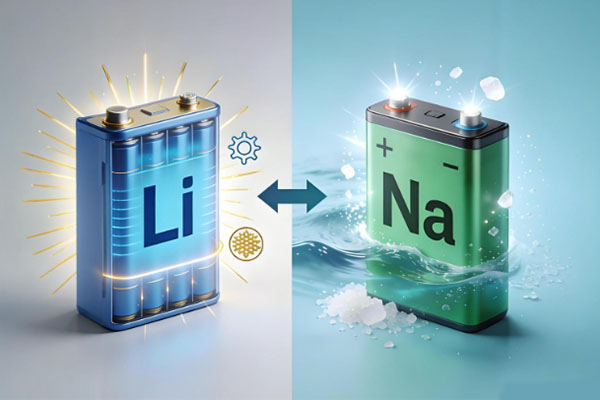
When a sodium-ion battery is charging, an external power source supplies electrical energy to the battery, causing sodium ions and electrons inside the battery to move in specific directions and converting electrical energy into chemical energy stored in the electrode materials. The charging process allows the sodium ions that moved toward the positive electrode during discharge to return to the negative electrode, while electrons also return to the negative electrode through the external circuit. When the battery discharges again, sodium ions and electrons move in the opposite directions, thereby supplying electrical energy to external devices. The operating principle of sodium-ion batteries is somewhat similar to that of lithium-ion batteries. Both are rechargeable batteries that complete charging and discharging through the movement of ions between the positive and negative electrodes, but the primary ions involved in the movement change from lithium ions to sodium ions.
The voltage supplied by the charger drives electrochemical reactions inside the battery. Sodium ions leave the positive electrode material and move toward the negative electrode through the electrolyte, while electrons cannot directly pass through the electrolyte and instead enter the negative electrode through the external circuit. As charging continues, more and more sodium ions enter the negative electrode material, and the battery’s state of charge gradually increases. When the battery voltage reaches the specified charging termination voltage, the charging equipment reduces the current or stops charging, keeping the battery within the specified range. For battery packs composed of multiple sodium-ion cells, the BMS is also required to monitor individual cell voltage, temperature, and current to prevent abnormalities in any individual cell.
What Happens During the Charging of a Sodium-Ion Battery?
Sodium Ions Move from the Positive Electrode to the Negative Electrode
A sodium-ion battery typically consists of a positive electrode, negative electrode, electrolyte, separator, and other components. During charging, the external power source provides energy, causing sodium ions in the positive electrode to gradually leave their original active material and move toward the negative electrode through the electrolyte.
Charging: Sodium ions move from the positive electrode → electrolyte → negative electrode
At the same time, electrons move from the positive-electrode side to the negative-electrode side through the external wires. Since electrons cannot directly pass through the electrolyte, they must be transferred through the external circuit. Sodium ions and electrons ultimately reach the negative electrode through their respective paths and form the corresponding energy-storage state within the negative electrode material. In this way, the battery converts the electrical energy supplied from outside into chemical energy that can be released again.
The Direction of Movement Is Reversed During Discharging
When a sodium-ion battery is connected to a load device, the battery begins to discharge. At this time, sodium ions stored in the negative electrode move back toward the positive electrode, while electrons flow through the external circuit and perform work through the connected device.
Discharging: Sodium ions move from the negative electrode → electrolyte → positive electrode
Electrons: Negative electrode → external load → positive electrode
It is precisely this orderly movement of sodium ions and electrons that enables sodium-ion batteries to undergo repeated charging and discharging.
How Do Voltage and Current Change During Charging?
Constant-Current Stage
When a sodium-ion battery is charging, the charger typically supplies electrical energy to the battery according to a set current. When the battery has a relatively low state of charge, it can be charged with a relatively stable current. As charging continues, the battery voltage gradually increases. During this process, the external power source provides energy, allowing sodium ions to gradually migrate from the positive electrode to the negative electrode. The specific charging current should be determined according to the parameters provided by the cell manufacturer. Different positive and negative electrode materials and cell designs have different requirements for maximum charging current.
Constant-Voltage Stage
When the battery voltage approaches the specified charging termination voltage, the charger enters the constant-voltage stage. At this point, the charger maintains the set voltage, while the charging current gradually decreases as the battery approaches a full state of charge. The specific constant-current and constant-voltage parameters should be based on the charging curve provided by the cell or battery manufacturer and should not be directly copied from the charging parameters of LiFePO4 or other lithium batteries.
Why Do Sodium-Ion Batteries Need Charging Management?
The BMS Monitors Battery Status
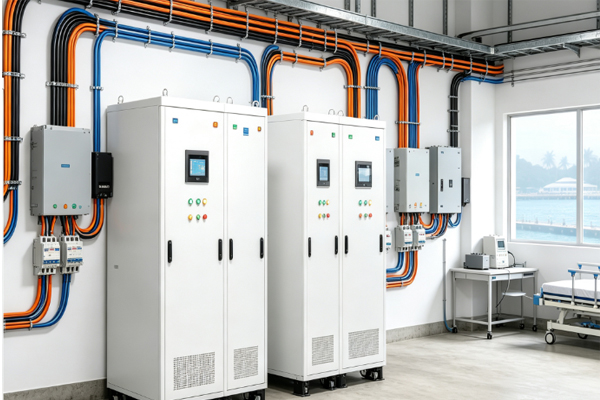
For sodium-ion battery packs composed of multiple cells connected in series, there may be certain differences in the voltage and temperature of individual cells. The BMS can continuously monitor the condition of the battery pack and provide appropriate protection when abnormalities occur.
Common monitoring items include:
- Individual cell voltage
- Total battery pack voltage
- Charging and discharging current
- Cell temperature
- Overcharge, over-discharge, and overcurrent conditions
For example, if one cell in a sodium-ion battery pack reaches the protection threshold during charging while the other cells have not yet reached the same state, the BMS can provide protection or balancing according to its design, preventing the cell from continuing to charge under the original conditions.
The Charger Determines the External Input Conditions
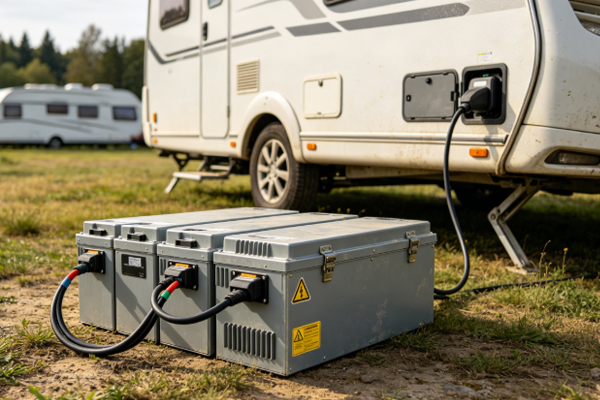
The BMS is responsible for monitoring and protection, but it is not the charger. The charger needs to provide an output voltage and current that are compatible with the sodium-ion battery. If the number of cells connected in series changes, the charging voltage must also be adjusted accordingly. For example, a battery consisting of a single cell and a battery consisting of multiple cells connected in series do not have the same charging termination voltage. Therefore, in practical applications, the appropriate charging equipment must be selected according to the specific battery pack specifications.
Frequently Asked Questions
Q: Where do sodium ions move during the charging of a sodium-ion battery?
A: During charging, sodium ions generally leave the positive electrode material, move through the electrolyte toward the negative electrode, and enter the negative electrode material for storage.
Q: Where do electrons move during the charging of a sodium-ion battery?
A: Electrons cannot directly pass through the electrolyte. Instead, they move from the positive-electrode side to the negative-electrode side through the external circuit. Sodium ions move inside the battery, while electrons are primarily transferred through the external circuit.
Q: Is the charging principle of sodium-ion batteries the same as that of lithium batteries?
A: The basic operating principle is relatively similar. Both complete charging and discharging through the movement of reversible ions between the positive and negative electrodes. However, sodium-ion batteries use sodium ions, and their positive and negative electrode materials and electrolyte formulations may also be different. Therefore, their charging voltage and specific charging parameters cannot be directly used interchangeably.
Q: Can a sodium-ion battery use a charger designed for another type of battery?
A: Whether it can be used cannot be determined simply by looking at the voltage designation. The charger’s output voltage, current, and charging method must be confirmed to comply with the requirements of the sodium-ion battery manufacturer. Different battery chemistries have different parameters, and using an incompatible charger may cause abnormal charging.
The core principle of sodium-ion battery charging is to use electrical energy supplied by an external power source to cause sodium ions to leave the positive electrode and move through the electrolyte to the negative electrode, while electrons move to the negative electrode through the external circuit. Sodium ions and electrons follow their respective paths to complete the transfer, thereby converting electrical energy into chemical energy stored inside the battery. When the battery is connected to a device for discharge, the sodium ions and electrons then move in the opposite directions, releasing the stored energy.
The charging process is also affected by battery materials, temperature, charging current, state of charge, and cell consistency. When the battery has a relatively low state of charge, it can generally be charged according to the specified current. As the battery approaches a full state of charge, the charging current gradually decreases. Battery packs composed of multiple cells connected in series also require a BMS to monitor individual cell voltage and temperature to prevent abnormalities in any individual cell. The specific charging voltage, current, and cutoff conditions should be determined according to the specifications of the sodium-ion cells and battery pack being used.