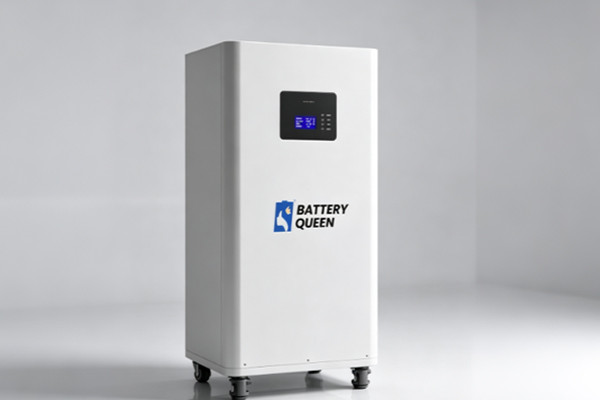
Sodium-ion batteries are increasingly being used in energy storage equipment, low-speed vehicles, backup power supplies, and some industrial equipment. They have similarities to lithium-ion batteries in terms of their operating principles, but their cell materials, operating voltage, charging and discharging conditions, and protection parameters are not exactly the same. Therefore, when a sodium-ion battery develops a fault, it cannot simply be handled according to the methods used for ordinary lead-acid or LiFePO4 batteries. Common abnormalities include failure to charge, failure to discharge, abnormal voltage, rising temperature, BMS protection, housing deformation, unusual odors, and heating at connection points. Different faults require different handling methods, and incorrect operation may further damage the cells or even increase the risk of short circuits and fire.
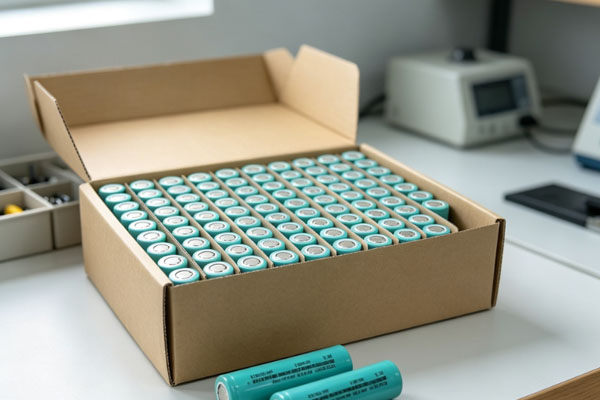
When an abnormality is detected in a sodium-ion battery, one of the most important steps is to stop charging or discharging first and allow the battery to remain in a relatively stable state before observing the fault symptoms. If a device simply fails to start, this does not necessarily mean that the cells have been damaged. The BMS may have entered a protection state, a connection cable may be loose, or the charger parameters may not match. If there is obvious swelling, damage, smoke, continuous temperature rise, or a strong odor, do not continue applying power for testing, and do not disassemble the battery yourself. Batteries that have developed serious abnormalities should be inspected by professionals equipped to perform battery maintenance. Proper daily use, regular inspection, and timely handling of abnormalities can reduce the possibility of further fault development.
What Should You Do First When a Sodium-Ion Battery Develops a Fault?
Do Not Repeatedly Charge or Discharge After an Abnormality Is Detected
When a sodium-ion battery cannot be charged, cannot discharge, or suddenly loses power, it is not recommended to repeatedly connect and disconnect the charger or restart the load. First disconnect the external equipment, allow the battery to stop operating, and then check the charger, power cable, connection terminals, and battery housing. If the battery has stopped outputting because of overcurrent, overvoltage, undervoltage, or temperature protection, the BMS may have already disconnected the circuit. Forcing power through the battery repeatedly will not solve the problem and may instead increase the load on the battery.
During inspection, pay attention to:
- Whether the battery housing has swelling, cracks, or obvious deformation.
- Whether the battery shows abnormal heating, unusual odors, smoke, or other signs.
- Whether the charger and connection cables show burning, discoloration, or overheating.
- Whether the BMS displays a protection status or fault indication.
If significant heat, smoke, an unusual odor, or deformation is detected, stop operating the battery immediately and keep people away from the abnormal battery.
Do Not Disassemble the Battery Yourself When There Is Visible Damage
When a sodium-ion battery has swelling or housing damage, do not squeeze the housing to determine whether the inside can still operate normally. Do not use tools to puncture the cells, and never disassemble the battery pack simply to inspect its interior. A battery pack typically contains multiple cells, connecting tabs, a BMS, wiring harnesses, and protective components. Improper disassembly may cause a short circuit and increase the risk of personal injury and equipment damage.
Determine the Possible Fault Based on the Symptoms
Unable to Charge or Charging Stops Quickly
If a sodium-ion battery cannot charge normally after being connected to a charger, check whether the charger matches the battery specifications. The charging voltage and charging parameters of sodium-ion batteries need to be determined according to the specific cell model and cannot simply be copied from other battery types. If the charger is functioning normally but the BMS continuously prevents charging, the issue may be related to battery voltage, temperature, individual cell condition, or protection parameters. In this situation, do not use a high-voltage power supply to force charging. The battery should be inspected by a professional.
Unable to Discharge or the Device Suddenly Loses Power
If the battery has power but cannot operate the equipment, the BMS may have triggered overcurrent, undervoltage, or short-circuit protection. It may also be that the starting current of the load exceeds the allowable battery range. For example, a motor may require a large instantaneous current when starting. If the battery or BMS cannot provide the required current, output may stop immediately. In this case, check the rated power, starting current, and BMS discharge specifications of the equipment rather than directly replacing the fuse with a larger one or bypassing the BMS.
The Battery Temperature Rises Significantly
A battery may experience a certain amount of temperature rise during normal operation, but if the temperature continues to increase rapidly or the battery becomes very hot to the touch or develops an unusual odor, charging or discharging should be stopped immediately. If smoke, significant heating, or an abnormal odor has already appeared, do not continue approaching the battery for inspection and do not touch the cells by hand. Stop the relevant operations promptly and follow the emergency handling requirements provided by the battery manufacturer.
How Should BMS Protection and Cell Faults Be Handled?
BMS Protection Does Not Necessarily Mean the Battery Is Damaged
Sodium-ion battery packs are generally equipped with a BMS to monitor voltage, current, and temperature and disconnect the charging and discharging circuits when abnormalities are detected. Therefore, when a battery suddenly stops outputting power, this does not necessarily mean that the cells have been damaged. For example: Battery over-discharged → BMS disconnects output → Device cannot start
In this situation, there is no need to replace the cells immediately. The specific protection reason recorded by the BMS should first be confirmed, followed by inspection and recovery by a professional. If the BMS frequently activates protection, further inspection of cell consistency, charging and discharging parameters, and load conditions is required.
Abnormal Individual Cell Voltage Requires Professional Inspection
Sodium-ion battery packs are generally composed of multiple cells connected in series. If the voltage of one cell is significantly higher or lower than that of the others, the entire battery pack may trigger protection prematurely. In this situation, ordinary users are not advised to open the battery pack and measure individual cell voltages themselves. The battery pack may contain relatively high voltage and high current, and improper operation can easily cause a short circuit. If an individual cell abnormality is confirmed, qualified professionals should use appropriate testing equipment to determine the cell condition and handle it according to the battery manufacturer’s maintenance requirements.
Frequently Asked Questions
Q: My sodium-ion battery suddenly has no power. Does that mean the battery is damaged?
A: Not necessarily. The battery may simply have a very low state of charge, or the BMS may have triggered undervoltage, overcurrent, short-circuit, or temperature protection. The specific protection reason needs to be checked before determining whether the cells are damaged.
Q: What should I do if my sodium-ion battery cannot be charged?
A: First check the charger model, output parameters, plug, and connection cables. If these are functioning properly but the BMS still prevents charging, do not use a high-voltage power supply to force charging. Stop operation and arrange for professional inspection.
Q: Can a swollen sodium-ion battery continue to be used?
A: Continued use is not recommended. Swelling indicates that the battery condition has become abnormal. Stop charging and discharging, and do not squeeze, puncture, or disassemble the battery. Have it handled by a professional.
Q: Is it normal for a sodium-ion battery to heat up?
A: A slight temperature increase may be normal during operation, but rapid temperature rise, significant heating, an unusual odor, smoke, or housing deformation indicates an abnormal condition. Stop using the battery immediately and take appropriate emergency measures.
When a sodium-ion battery develops a fault, the key to proper handling is to first stop the abnormal condition, then identify the fault symptoms, and finally handle the problem based on the inspection results. If the battery simply cannot charge or discharge, the charger, wiring, load, and BMS protection status can be checked. If an individual cell voltage is abnormal, professional equipment is required for inspection. If there is swelling, smoke, significant heating, an unusual odor, or damaged housing, do not continue applying power for testing. Ordinary users do not need to disassemble the battery pack themselves to identify the fault, and they should never short-circuit the BMS, bypass protection circuits, or use an incompatible power supply to force charging.
For sodium-ion batteries that have developed serious abnormalities, handling should follow the after-sales requirements provided by the manufacturer, and qualified maintenance personnel should be responsible for inspection and subsequent handling when necessary. During normal use, sodium-ion batteries should also be operated within the charging and discharging voltage, current, and temperature ranges specified by the manufacturer. Avoid excessive discharge, long-term overload, and operation in high-temperature environments. Regularly check the battery housing, connection terminals, cables, and BMS status. Promptly stopping use when an abnormality is detected can reduce the possibility of a minor fault developing into a more serious problem. In particular, when a battery shows swelling, smoke, or continuous temperature rise, personal safety should be prioritized during handling. Do not continue charging or discharging simply because you want to “try one more time.”