With the rapid development of the new energy industry, the application scope of power batteries and energy storage batteries continues to expand. The most common battery formats on the market mainly include cylindrical batteries and prismatic batteries. These two types differ in structural design, manufacturing process, heat dissipation performance, space utilization, and application scenarios. For equipment manufacturers, procurement teams, and product R&D departments, understanding the differences between cylindrical and prismatic batteries helps in selecting more suitable battery solutions based on actual needs, thereby improving system performance and reliability.
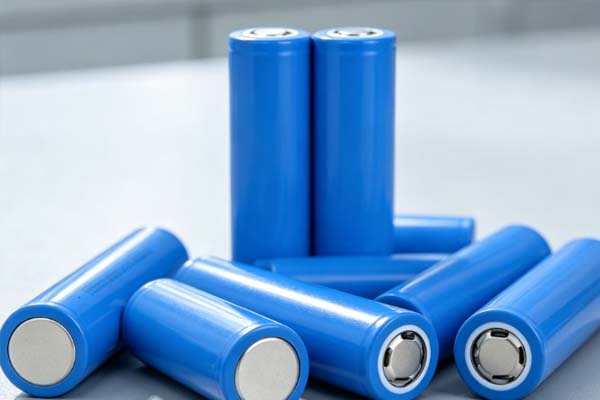
Structural Differences Between Cylindrical and Prismatic Batteries
Different form factors determine differences in manufacturing methods and application directions.
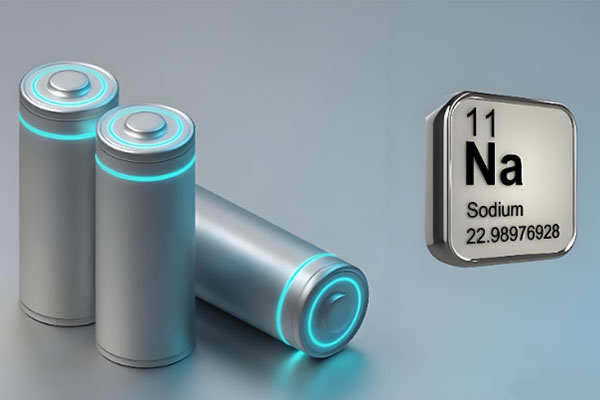
Cylindrical Batteries Use a Standard Cylindrical Structure
Cylindrical batteries feature a mature structural system with a high degree of standardization.
- The casing is usually made of metal, offering high structural strength and good impact resistance.
- Common specifications include 18650, 21700, 4680, etc., with strong compatibility and versatility.
- The automated production process is well-developed, ensuring stable product consistency.
- A wide range of single-cell capacities is available, allowing flexible configuration into battery packs of different sizes.
The stable structural design makes them suitable for various industries and provides strong standardization adaptability.
Prismatic Batteries Use a Regular Rectangular Structure
Prismatic batteries focus more on space utilization efficiency and system integration optimization.
- The shape is a rectangular structure that allows tight packing and reduces wasted space.
- Higher single-cell capacity reduces the number of cells required and lowers system complexity.
- Easier to fit internal device structures, improving overall layout regularity.
Higher space utilization makes them suitable for large equipment and highly integrated systems.
Performance Differences Between the Two Battery Types
Cylindrical and prismatic batteries differ in actual performance, mainly in heat dissipation, consistency, and space utilization.
Heat Dissipation Comparison
Heat dissipation capability affects long-term operational stability.
- Cylindrical batteries have gaps between cells, which facilitate air circulation and natural cooling.
- Each cell operates independently, resulting in relatively uniform heat distribution.
- Prismatic batteries are tightly packed and require more advanced thermal management systems, often assisted by liquid cooling or thermal conductive structures.
Proper thermal management design can improve overall operational safety.
Consistency Performance Comparison
Battery consistency directly affects pack stability and overall lifespan. Due to highly standardized manufacturing processes, cylindrical batteries maintain relatively good cell-to-cell consistency in mass production, with small variations in voltage, capacity, and internal resistance, which supports long-term stable operation. Prismatic batteries continue to improve in consistency as manufacturing technology advances, but in some high-end applications, they still require stricter process control.
Space Utilization Comparison
Installation space efficiency is an important factor in battery selection.
- Prismatic batteries have a regular structure that enables higher packing density and better space utilization.
- Cylindrical batteries have gaps between cells, reducing overall volume efficiency.
- Cylindrical batteries offer flexible modular combinations and can be expanded according to requirements.
Different spatial layouts suit different product design solutions and should be selected based on actual structural conditions.
Differences in Manufacturing and Maintenance
Manufacturing methods and maintenance efficiency affect product cost and user experience.
Manufacturing Process Differences
The two types differ in production methods and process complexity.
- Cylindrical batteries have a high degree of standardization and support highly automated production with high efficiency.
- They show more stable consistency in mass production, making them suitable for large-scale manufacturing.
- Prismatic batteries require higher precision in size control, packaging processes, and structural design, relying more on equipment accuracy.
Cylindrical batteries are more suitable for large-scale production, while prismatic batteries are better suited for customized applications.
Maintenance Differences
Maintenance methods affect operational cost and serviceability. Cylindrical batteries consist of many individual cells, allowing single-cell replacement when issues occur, making maintenance more flexible and cost-effective. Prismatic batteries have larger single-cell capacities, and replacement usually requires broader system adjustments, making maintenance more complex. Both types can be monitored through a battery management system for voltage, temperature, and health status. Proper maintenance methods help extend battery life and ensure stable operation.
How to Choose for Different Application Scenarios
Different projects prioritize different battery performance aspects, so selection should be based on actual requirements.
Application Areas of Cylindrical Batteries
Cylindrical batteries are mature in technology and flexible in structure, with wide applications.
- New energy vehicles for power or auxiliary power supply, meeting different power demands.
- Power tools requiring high discharge rates and stable output.
- Energy storage systems enabling capacity expansion through modular combinations.
- Consumer electronics benefiting from high standardization for fast integration and mass production.
Mature technology and flexible configuration make them widely used and highly recognized.
Application Areas of Prismatic Batteries
Prismatic batteries are more suitable for applications requiring high space utilization and system integration.
- Large-scale power battery systems can improve energy density through compact layout, increasing driving range.
- Commercial new energy vehicles with complex internal structures benefit from better integration optimization.
- Industrial and commercial energy storage systems can reduce system complexity and improve operational efficiency with fewer cells.
Efficient use of space helps improve system integration and energy utilization.
In practical engineering selection, differences between the two battery types directly influence system design and final performance. Cylindrical batteries, relying on mature large-scale manufacturing systems, excel in consistency control and safety stability. Through modular combinations, they can adapt to various application structures and are widely used in energy storage systems, power tools, new energy equipment, and consumer electronics. When designing solutions, companies should comprehensively evaluate power requirements, space conditions, and cost budgets to achieve higher system efficiency and long-term operational reliability.