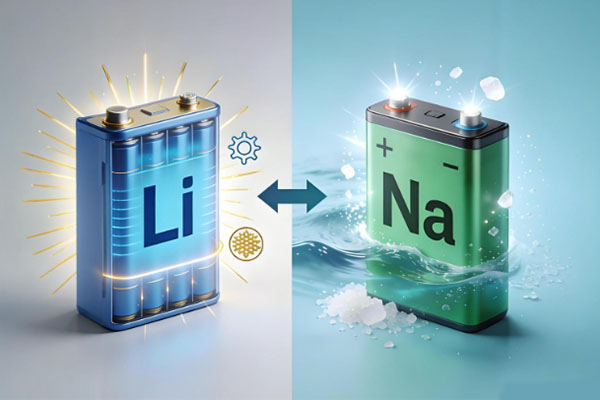
With the continuous growth of new energy equipment, energy storage systems, and electrification applications, battery technology faces increasingly higher requirements for cost, safety, and resource supply. Lithium-ion batteries have occupied an important position in the market for a long time due to their high energy density, mature manufacturing processes, and extensive application experience. However, with the increasing demand for lithium resources, issues such as raw material price fluctuations, battery manufacturing costs, and resource distribution have gradually attracted attention. As an emerging energy storage technology, sodium-ion batteries use sodium elements instead of lithium elements to participate in electrochemical reactions and demonstrate unique advantages in certain application scenarios.
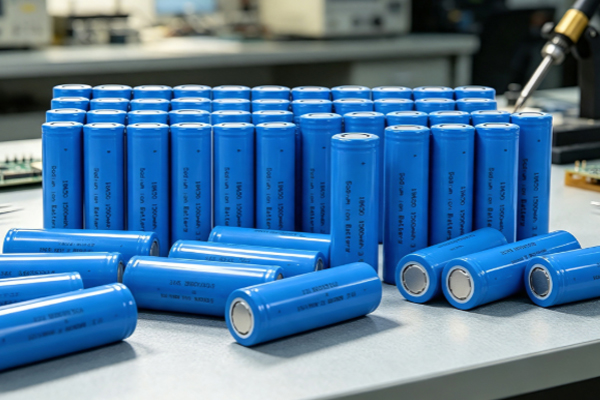
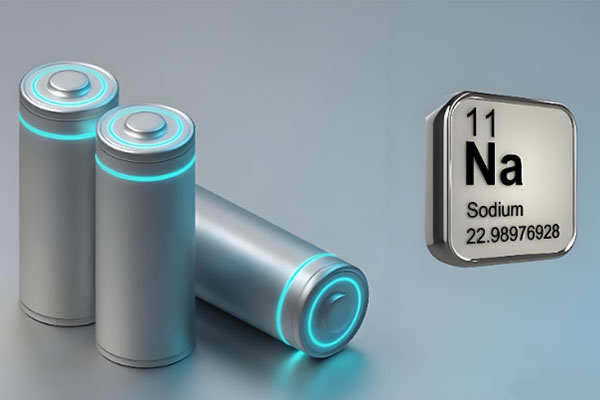
The working principles of sodium-ion batteries and lithium-ion batteries are relatively similar. Both achieve electrical energy storage and release through the movement of ions between the cathode and anode. During charging, sodium ions or lithium ions leave the cathode, move through the electrolyte to the anode, and are stored inside the anode material. During discharge, the ions return to the cathode, while electrons flow through the external circuit to form current and provide electrical energy for devices. The biggest difference between the two batteries lies in the core elements used. Lithium-ion batteries rely on lithium resources, while sodium-ion batteries use sodium elements that are more abundant in nature. Since sodium and lithium have similar chemical properties, sodium-ion batteries can use similar battery structures to achieve energy storage. However, because sodium ions are larger in size, sodium-ion batteries require different cathode and anode materials, such as hard carbon anodes and layered oxide cathodes, to meet ion transport requirements.
What Are the Advantages of Sodium-Ion Batteries Compared with Lithium Batteries?
More Abundant Raw Material Resources
One of the biggest characteristics of sodium-ion batteries is the more sufficient supply of sodium resources. Although lithium resources can currently meet battery production demands, global lithium resources are relatively concentrated in certain regions, making supply easily affected by market changes. Sodium elements, however, are widely found in seawater, salt lakes, and the Earth’s crust, making resource extraction relatively easier.
- Sodium resources are abundant, providing more stable raw material supply;
- Reduces dependence on scarce lithium resources and lowers resource pressure;
- Raw material price fluctuations have a relatively smaller impact;
- More suitable for large-scale energy storage applications.
For large-scale energy storage projects, batteries need to be used in large quantities. If they completely rely on limited resources, long-term manufacturing costs may increase. Sodium-ion batteries use more widely available raw materials, reducing certain resource limitations and making them more suitable for cost-sensitive energy storage applications.
Advantages in Manufacturing Costs
During the manufacturing process, sodium-ion batteries can reduce dependence on high-value lithium materials, providing certain advantages in raw material cost control. Although sodium-ion battery technology is still undergoing optimization, its material system has the potential to reduce costs. Some production equipment for sodium-ion batteries is compatible with lithium-ion battery production lines, allowing companies to make adjustments based on existing manufacturing conditions.
The cost advantages are mainly reflected in:
- Sodium salt materials have relatively stable prices;
- Reduces dependence on high-cost lithium compounds;
- Some material supply chains are easier to establish;
- Suitable for large-capacity energy storage equipment.
In applications such as household energy storage, industrial energy storage, and grid energy storage, battery capacity requirements are usually large. Reducing the cost of individual batteries can help improve overall economic efficiency.
Characteristics of Sodium-Ion Batteries in Safety and Environmental Adaptability
Better Safety Performance
Sodium-ion batteries have certain safety advantages in terms of material structure and chemical properties, especially under abnormal conditions such as high temperatures and overcharging, where they demonstrate better thermal stability. Since sodium-ion batteries usually use more stable cathode material systems, the risk of intense internal reactions is relatively reduced.
- Stronger thermal stability;
- Better adaptability to high-temperature environments;
- More stable charging and discharging processes;
- Reduced pressure on safety management.
Of course, all batteries require cooperation with battery management systems (BMS), protective structures, and proper usage methods to ensure long-term safe operation.
Stronger Adaptability to Low-Temperature Environments
Lithium-ion batteries may experience capacity reduction and lower charging efficiency in low-temperature environments, while some sodium-ion battery systems perform more stably under cold conditions. After optimizing sodium ion movement characteristics and material structures, sodium-ion batteries can maintain better ion transport efficiency, allowing them to continue operating under cold environments. For example, in energy storage equipment, outdoor power supplies, and backup power supplies for communication base stations in northern regions, low-temperature performance is an important indicator. Sodium-ion batteries can reduce the impact of low temperatures on battery performance and improve equipment operating stability.
Frequently Asked Questions
Are Sodium-Ion Batteries Better Than Lithium Batteries?
Sodium-ion batteries and lithium-ion batteries each have their own characteristics, and it is not possible to simply determine that one technology can completely replace the other. Lithium-ion batteries currently have higher energy density and still maintain advantages in applications requiring lightweight designs and long endurance, such as electric vehicles and portable electronic devices. Sodium-ion batteries are more suitable for applications with higher requirements for cost, safety, and resource stability.
Why Are Sodium-Ion Battery Costs Easier to Reduce?
Sodium-ion batteries use sodium elements with abundant reserves, and some materials have lower prices, resulting in less raw material pressure during production. For example, sodium-containing compounds can be used as cathode materials, while hard carbon materials can be used as anodes. Compared with some lithium battery material systems, sodium-ion batteries can reduce dependence on high-value resources.
Can Sodium-Ion Batteries Replace Lithium Batteries?
Sodium-ion batteries are not designed to completely replace lithium batteries but rather to complement them in different application scenarios. For energy storage equipment, cost, safety, and service life are usually more important than extremely high energy density. Therefore, sodium-ion batteries have strong application potential.
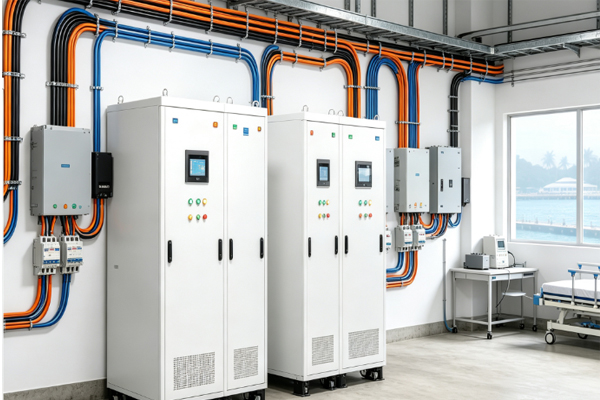
Compared with lithium-ion batteries, sodium-ion batteries have certain advantages in resource supply, cost control, safety performance, and low-temperature adaptability. They use sodium elements as charge carriers, reducing dependence on lithium resources while using abundant sodium resources to lower raw material supply pressure. Sodium-ion batteries are more suitable for large-capacity energy storage, backup power supplies, and applications requiring high safety and stability.
Although their energy density still differs from some high-performance lithium batteries, sodium-ion batteries can demonstrate their value in equipment that requires long-term operation and cost control. By optimizing cathode materials, anode materials, and battery structures, battery performance can be further improved to better meet the requirements of different energy storage devices. For application fields requiring stable, safe, and economical battery solutions, sodium-ion batteries provide a practical and valuable option.