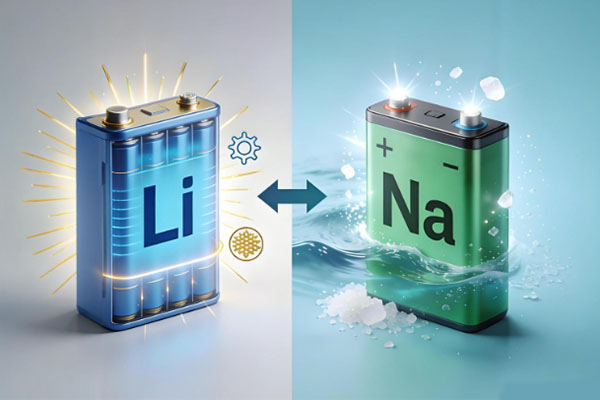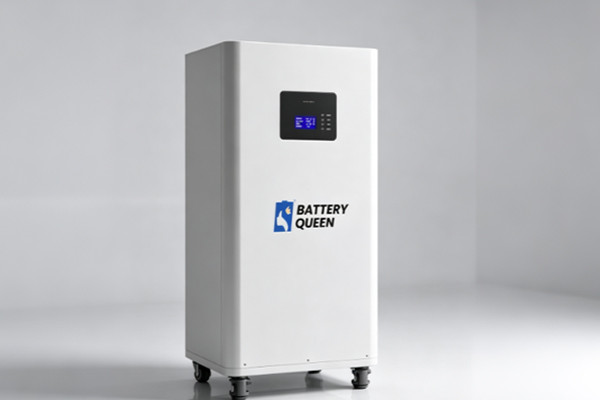
With the continuous increase in energy storage devices, grid regulation systems, and renewable energy applications, the importance of battery energy storage technology has gradually increased. Traditional lithium-ion batteries are widely used due to their high energy density, but limited lithium resource distribution and significant cost fluctuations have encouraged the industry to seek more stable alternatives. Sodium-ion batteries (Sodium Ion Battery) use sodium elements as charge carriers and achieve energy storage and release through the movement of sodium ions between the cathode and anode. Due to the abundant reserves and wide distribution of sodium resources, sodium-ion batteries have gradually become an important technology route in the energy storage field.
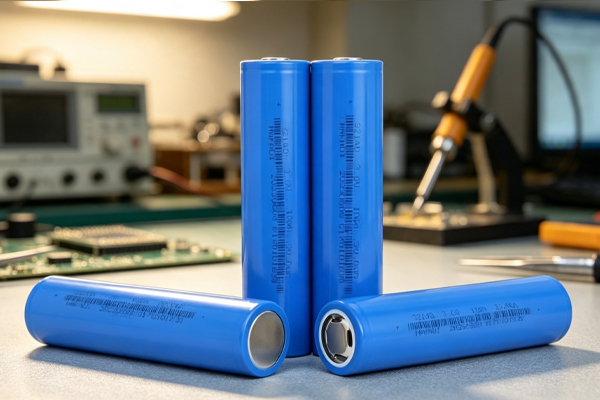
The operating principle of sodium-ion batteries is similar to that of lithium-ion batteries. Both rely on the insertion and extraction of ions between electrode materials. During charging, the external power supply provides electrical energy, causing sodium ions in the cathode material to separate and move through the electrolyte toward the anode. At the same time, electrons enter the anode through the external circuit, allowing sodium ions and electrons to be stored together in the anode material. When electrical energy is required, the battery enters the discharge process. Sodium ions move back from the anode to the cathode, while electrons flow through the external circuit, generating usable electrical energy. The ability of sodium-ion batteries to achieve energy storage mainly depends on reversible electrochemical reactions to preserve electrical energy. The cathode, anode, electrolyte, and separator inside the battery together form a complete energy storage system, with each component performing an important function. The cathode material stores and releases sodium ions, the anode material provides space for sodium ion insertion, the electrolyte enables ion transportation, and the separator prevents direct contact between the cathode and anode to avoid short circuits.
The Specific Process of Sodium-Ion Battery Energy Storage
Migration of Sodium Ions During Charging
When a sodium-ion battery is charging, a series of electrochemical changes occur inside the battery. The external power supply inputs electrical energy into the battery, causing sodium ions in the cathode material to be released. The released sodium ions move toward the anode through the electrolyte, while electrons travel through the external circuit and enter the anode.
- Sodium ions leave the cathode material and enter a charged state;
- The electrolyte acts as a pathway for sodium ion movement;
- The anode material absorbs sodium ions and stores corresponding electrons;
- Electrical energy is converted into chemical energy and stored inside the battery.
For example, when layered oxide materials are used as cathode materials, sodium ions gradually leave the crystal structure during charging and enter the internal structure of the anode material. Hard carbon materials are commonly used as anodes because their internal microporous structures can provide storage space for sodium ions. This storage method is not simply physical storage, but relies on the chemical interaction between the material structure and ions to achieve stable storage. Therefore, the battery can maintain good performance over multiple charging and discharging cycles.
Energy Release During the Discharging Process
When energy storage equipment needs to output electrical energy, the sodium-ion battery enters the discharge state. At this time, sodium ions in the anode begin to leave and return to the cathode through the electrolyte. Meanwhile, electrons flow from the anode to the cathode through the external circuit, providing power for external devices.
- Sodium ions move from the anode back to the cathode;
- Electrons flow through the external circuit to form electric current;
- Chemical energy is converted back into electrical energy;
- The stored electricity is used by connected devices.
Through this continuous cycle, sodium-ion batteries achieve repeated energy storage and power supply, allowing them to be applied in scenarios such as stationary energy storage, grid regulation, and backup power systems.
What Materials Enable Sodium-Ion Batteries to Achieve Energy Storage?
Cathode Materials Determine Sodium Ion Storage Capability
The cathode material is an important component of sodium-ion batteries and directly affects battery capacity, stability, and cycle life. Currently, common cathode materials include layered oxides, polyanionic compounds, and Prussian blue-based materials. Layered oxide materials have high electrochemical activity and can provide good capacity performance; polyanionic materials have more stable structures and offer advantages in safety performance; Prussian blue-based materials have open crystal structures that allow sodium ions to enter and exit more easily. Different application environments require the selection of different types of cathode materials.
Anode Materials Provide Storage Space for Sodium Ions
Because sodium ions are larger than lithium ions, traditional graphite anodes used in lithium batteries are not directly suitable for sodium-ion batteries. Currently, hard carbon materials have become commonly used anode materials for sodium-ion batteries. Hard carbon has larger interlayer spacing and abundant pore structures, allowing more sodium ions to enter while maintaining good cycling stability.
- Hard carbon structures are suitable for sodium ion insertion;
- The material has high stability;
- Volume changes during charging and discharging are relatively small;
- It helps improve battery service life.
The development of anode materials directly affects the energy storage efficiency of sodium-ion batteries. Therefore, manufacturers usually optimize hard carbon structures to increase sodium ion storage capacity and improve ion movement speed.
Frequently Asked Questions
Why Can Sodium-Ion Batteries Store Electrical Energy?
Sodium-ion batteries can store electrical energy because of the reversible ion migration process inside the battery. During charging, electrical energy drives sodium ions to move from the cathode to the anode, where energy is stored in chemical form. During discharge, sodium ions return to the cathode while releasing electrons to generate current. This process is similar to temporarily converting electrical energy into chemical energy and converting it back when needed.
Is the Energy Storage Method of Sodium-Ion Batteries the Same as Lithium-Ion Batteries?
The energy storage methods of the two batteries are basically similar. Both rely on the movement of ions between the cathode and anode to complete charging and discharging. However, because sodium ions and lithium ions have different sizes, the material systems used in the two types of batteries are different. Sodium-ion batteries do not rely on lithium resources, which can reduce the cost of certain raw materials. They also have certain advantages in low-temperature performance, safety, and resource availability. However, because sodium ions have a larger mass, the energy density of sodium-ion batteries is generally lower than that of some high-performance lithium-ion batteries.
What Energy Storage Applications Are Suitable for Sodium-Ion Batteries?
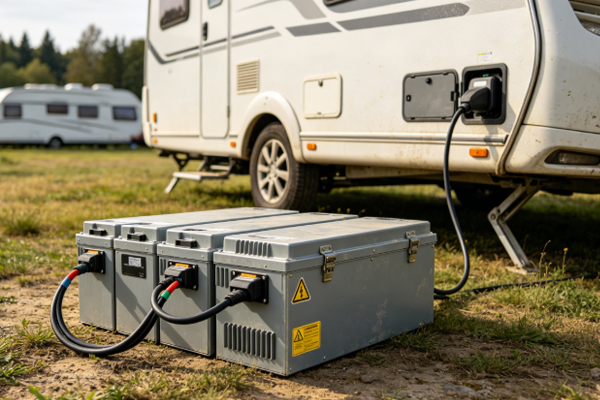
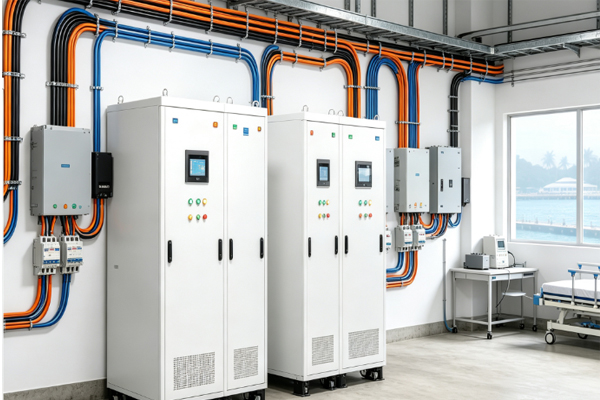
Sodium-ion batteries are suitable for energy storage scenarios that require high cost efficiency, safety, and cycling stability, such as: Household energy storage systems; Solar energy storage equipment; Commercial and industrial energy storage cabinets; Grid peak-shaving equipment; Communication backup power supplies. These applications usually do not require extremely high instant energy density but focus more on long-term stable operation. Therefore, sodium-ion batteries have good adaptability in these fields.
The core of sodium-ion battery energy storage is the continuous migration of sodium ions between the cathode and anode, which enables the conversion between electrical energy and chemical energy. During charging, electrical energy drives sodium ions into the anode to complete energy storage; during discharge, sodium ions return to the cathode and release electrical energy through electron movement. Compared with traditional energy storage technologies, sodium-ion batteries have strong application value in stationary energy storage due to their abundant sodium resources, high safety, and good cycling performance. Although their working principle is similar to lithium-ion batteries, the use of different materials gives sodium-ion batteries unique advantages in cost control, resource utilization, and adaptability to different application environments.