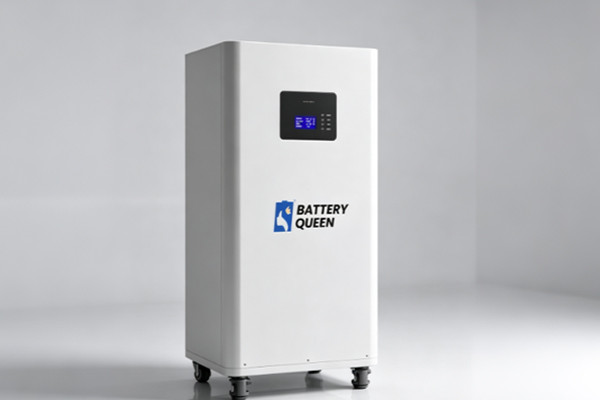
With the rapid development of energy storage devices, electric vehicles, and outdoor power supplies, battery safety issues have attracted increasing attention. LiFePO₄ battery cells (LiFePO₄ Cell) have become one of the widely used cell types in the lithium battery field due to their stable material structure, lower risk of thermal runaway, and long cycle life. Compared with some high-energy-density battery materials, the chemical structure of lithium iron phosphate cathode materials is more stable and can maintain better safety performance under special conditions such as high temperatures, overcharging, and mechanical impact. Relevant studies have shown that lithium iron phosphate batteries are widely used in the energy storage field because of their excellent thermal stability and safety characteristics. LiFePO₄ battery cells can reduce the probability of intense internal reactions and lower safety risks such as combustion and explosion under abnormal conditions.
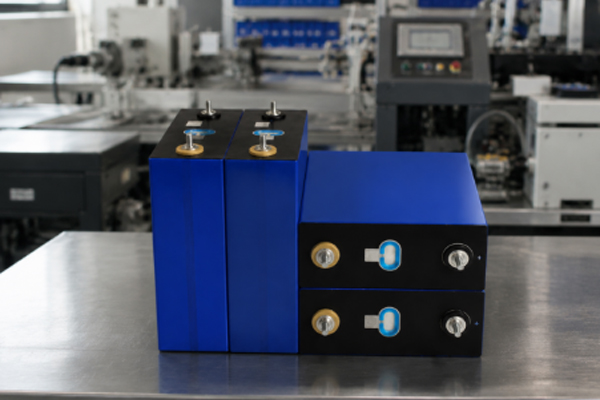
Stable Cathode Material Improves the Basic Safety of Battery Cells
The Crystal Structure of Lithium Iron Phosphate Is More Stable
LiFePO₄ battery cells use lithium iron phosphate (LiFePO₄) as the cathode material. Its internal structure consists of elements such as lithium, iron, phosphorus, and oxygen, forming a relatively stable olivine structure. This structure can firmly bind oxygen elements, allowing the material to maintain better stability during charging and discharging, while reducing the possibility of large-scale oxygen release. Compared with some cathode materials that are prone to decomposition under high-temperature conditions, lithium iron phosphate materials experience slower structural changes when exposed to high temperatures, reducing rapid heat release reactions inside the battery. Therefore, under abnormal usage conditions, the probability of severe combustion occurring in the cell is relatively lower.
Reduced Oxygen Release Lowers Combustion Risk
When thermal runaway occurs in lithium batteries, oxygen generated from the decomposition of internal materials may accelerate the combustion process. However, the phosphorus-oxygen bonds in lithium iron phosphate materials have strong bonding capabilities, making it difficult to rapidly release large amounts of oxygen even when temperatures rise. This characteristic allows LiFePO₄ battery cells to reduce the speed of internal combustion reactions when exposed to high temperatures, compression, or short circuits. Although all lithium batteries require proper use and protection, lithium iron phosphate materials themselves provide a strong safety foundation.
Excellent Thermal Stability Reduces the Probability of Thermal Runaway
Slower Internal Reactions Under High-Temperature Conditions
LiFePO₄ battery cells have excellent heat resistance and can maintain a relatively stable internal chemical state during operation. When the battery operates continuously or the ambient temperature increases, the material does not undergo rapid and intense reactions like some highly active battery systems. Battery safety issues are usually related to abnormal temperature increases. If the internal temperature continues to rise, it may cause separator damage, electrolyte decomposition, and internal short circuits. The high thermal stability of lithium iron phosphate materials can help delay the occurrence of these problems and provide more response time for battery protection systems.
Lower Temperature Rise Rate During Thermal Runaway
Thermal runaway is one of the major safety risks in lithium battery accidents. When a large amount of heat is generated inside the battery and the temperature rises rapidly, situations such as smoke emission and combustion may occur. Due to the stable characteristics of lithium iron phosphate materials, the internal heat release reaction of LiFePO₄ battery cells is usually slower under abnormal conditions, resulting in a relatively lower temperature rise rate. This allows battery system components such as the BMS management system, thermal dissipation structures, and safety protection devices to respond more quickly, such as reducing charging and discharging current or disconnecting abnormal circuits.
Cell Structure Design and Protection Systems Enhance Usage Safety
Cell Manufacturing Processes Reduce Internal Risks
The safety performance of LiFePO₄ battery cells depends not only on materials but also on the manufacturing process. High-quality cells require strict control over electrode coating uniformity, electrolyte filling amount, separator quality, and packaging processes during production to prevent internal defects. A stable manufacturing process can reduce problems such as internal short circuits, abnormal capacity, and performance degradation during cycling, allowing the battery to maintain a more reliable condition during long-term use.
BMS System Provides Multiple Safety Protections
LiFePO₄ battery cells are usually equipped with a Battery Management System (BMS). The BMS can monitor battery voltage, current, temperature, and charging/discharging status in real time, and perform protective controls based on collected data. For example, when the battery experiences overcharging, over-discharging, excessive temperature, or abnormal current, the BMS can promptly limit operating conditions to prevent the cell from remaining in dangerous situations for a long time. By combining the safety advantages of cell materials with an intelligent management system, the overall reliability of battery packs can be further improved.
Frequently Asked Questions
Will LiFePO₄ Battery Cells Really Never Catch Fire?
LiFePO₄ battery cells do not mean they can never catch fire. Any lithium battery may experience safety issues under conditions such as severe damage, improper use, or protection system failure. However, compared with some other lithium battery materials, lithium iron phosphate has a more stable chemical structure and is less likely to experience rapid combustion under abnormal conditions.
Why Do Electric Vehicles and Energy Storage Systems Prefer LiFePO₄?
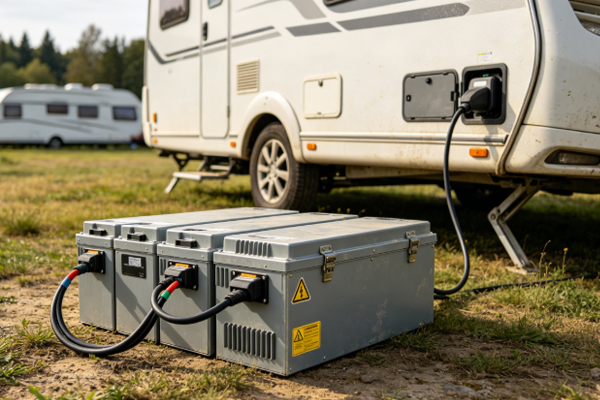
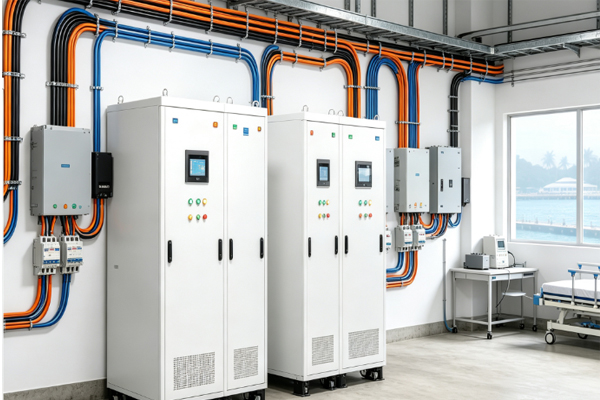
Electric vehicles and energy storage systems usually require long-term operation and have high requirements for safety and service life. LiFePO₄ battery cells feature high cycle life, stable structure, and good high-temperature resistance, making them suitable for long-term use. Especially in applications such as household energy storage, solar energy storage, and industrial energy storage, batteries need to maintain stable operation for extended periods, making safety performance an important selection factor.
LiFePO₄ battery cells have high safety performance, and the core reason lies in the stable structure of their cathode materials. The crystal structure of lithium iron phosphate can reduce material decomposition under high-temperature conditions while lowering the risk of oxygen release, allowing batteries to maintain better stability under abnormal situations. In addition to the material itself, most LiFePO₄ batteries today also combine precision manufacturing processes with intelligent BMS management systems. From cell production to battery pack applications, every stage affects the final safety performance.
The reason why LiFePO₄ battery cells are widely used in energy storage, electric vehicles, and industrial applications is mainly due to their significant safety advantages. Their stable chemical structure reduces the risk of thermal runaway, excellent cycling capability minimizes performance changes during long-term operation, and advanced protection systems help meet safety requirements in different application environments.