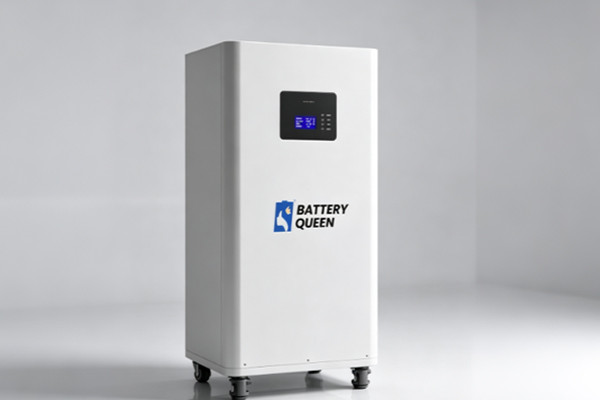
With the increasing demand for new energy equipment, energy storage systems, and power applications, LiFePO4 Battery Packs have been widely used in home energy storage, solar systems, electric vehicles, industrial backup power supplies, and mobile energy devices due to the stable characteristics, high safety performance, and long cycle life of lithium iron phosphate materials. Compared with traditional lead-acid batteries, LiFePO4 battery packs have significant advantages in capacity utilization, charging and discharging efficiency, and maintenance costs.
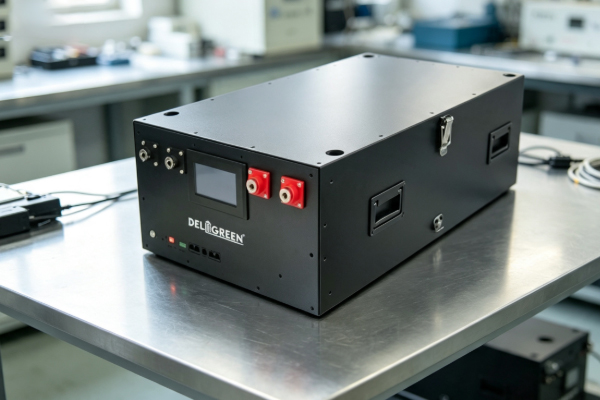
A complete LiFePO4 battery pack usually consists of high-quality battery cells, an intelligent BMS management system, protection modules, and structural components. Through scientific design, it can provide stable and safe energy supply. For example, a 51.2V 280Ah LiFePO4 battery pack can provide 14.4kWh energy storage capacity. Equipped with a 200A intelligent BMS, CAN/RS485 communication functions, and a cycle life of more than 6000 times, it can meet long-term usage requirements for home energy storage and backup power applications.
LiFePO4 Battery Packs Provide Higher Safety and Stability
Lithium Iron Phosphate Materials Improve Battery Safety
When selecting energy storage batteries, safety performance is one of the factors users are most concerned about. LiFePO4 battery packs use LiFePO4 as the cathode material. This material has a stable chemical structure and can maintain good stability under high temperatures, overcharging conditions, and long-term operation environments. Compared with some other lithium battery materials, lithium iron phosphate materials have stronger thermal stability and are less likely to experience severe reactions caused by temperature increases. Therefore, in home energy storage, backup power, and industrial applications, LiFePO4 battery packs can provide more reliable energy support.
- Stable cathode material structure;
- Lower risk of thermal runaway;
- Suitable for long-term continuous operation environments.
For example, the 51.2V 280Ah LiFePO4 battery pack adopts a multi-layer protection design and can work with an intelligent BMS to monitor voltage, current, and temperature conditions in real time, improving overall operating safety.
Intelligent BMS System Ensures Battery Operation
LiFePO4 battery packs not only rely on battery cell materials for safety but are also equipped with an intelligent Battery Management System (BMS) to control the internal battery cell status in real time. The BMS acts like the “brain” of the battery pack, monitoring the operating conditions of each battery cell and performing protective adjustments based on collected data.
Main functions include:
- Overcharge protection;
- Over-discharge protection;
- Overcurrent protection;
- High-temperature protection;
- Low-temperature protection;
- Battery cell balancing management.
Through BMS management, the impact of abnormal conditions in individual battery cells on the entire battery pack can be reduced, improving long-term operating stability.
LiFePO4 Battery Packs Have a Longer Cycle Life
High Cycle Numbers Reduce Replacement Costs
Since energy storage equipment batteries require frequent charging and discharging, cycle life directly affects operating costs. One of the biggest advantages of LiFePO4 battery packs is their long cycle life. High-quality LiFePO4 battery cells can usually achieve thousands of cycles, and some products can exceed 6000 cycles. For example, the 51.2V 280Ah LiFePO4 battery pack uses a 280Ah high-capacity battery cell design and can support long-term charging and discharging cycles under proper operating conditions. This long-life characteristic can reduce the need for frequent battery replacement, making it especially suitable for:
- Home energy storage systems;
- Solar energy storage equipment;
- Industrial backup power supplies;
- Communication base station power supplies.
Stable Performance During Long-Term Operation
LiFePO4 battery packs not only provide a high number of cycles but also have a slower capacity degradation rate during long-term use. Through high-quality battery cell combinations and intelligent management system control, the battery can maintain relatively stable capacity output. For energy storage equipment that needs to operate throughout the year, stability is more important than short-term high performance. LiFePO4 battery packs can reduce maintenance frequency and allow equipment to maintain reliable power supply capabilities.
Efficient Energy Output Capability
Large Capacity Design Meets Different Power Requirements
Modern energy storage equipment usually requires greater energy storage capability, making battery capacity an important parameter. LiFePO4 battery packs can achieve different capacity requirements through the combination of multiple battery cells. For example:
- 12V battery packs are suitable for small devices;
- 24V battery packs are suitable for medium-power equipment;
- 48V and higher voltage battery packs are suitable for home energy storage and industrial applications.
Taking the 51.2V 280Ah battery pack as an example, its rated capacity can reach 14.4kWh, allowing it to store a large amount of electrical energy and provide support for household electricity use, solar systems, and backup power supply.
Supports High Current Output
Besides capacity, output capability is also an important indicator for evaluating battery pack performance. High-quality LiFePO4 battery packs can support large charging and discharging currents. For example, some products can support maximum charging and discharging currents of up to 200A, meeting the operating requirements of high-power equipment.
This feature makes them suitable for:
- Inverter systems;
- Electric vehicle power equipment;
- Industrial machinery;
- Emergency power supply systems.
Stable high-current output can reduce problems caused by insufficient power supply during equipment operation.
Communication Functions Enable Intelligent Management
With the development of intelligent energy storage systems, communication functions of battery packs are becoming increasingly important. Some LiFePO4 battery packs support communication protocols such as CAN and RS485, allowing connection with inverters, energy management systems, and monitoring equipment. Users can check information through the communication system, including:
- Remaining battery capacity;
- Current voltage;
- Operating temperature;
- Charging and discharging status.
This intelligent management method improves the convenience of battery usage.
Frequently Asked Questions
Does a LiFePO4 Battery Pack Have a Long Service Life?
LiFePO4 battery packs have a long cycle life. High-quality products can usually achieve thousands of charge and discharge cycles, and some battery packs can exceed 6000 cycles, making them suitable for long-term energy storage and continuous power supply applications.
Are LiFePO4 Battery Packs Safe?
Safety is one of the key advantages of LiFePO4 battery packs. They use stable lithium iron phosphate materials and are equipped with intelligent BMS management systems, which provide protection against overcharging, over-discharging, overcurrent, and temperature-related issues.
Are LiFePO4 Battery Packs Suitable for Home Energy Storage?
Yes. LiFePO4 battery packs have large capacity and long service life. They can be combined with solar systems and inverters to provide daily household electricity and backup power support.
Do LiFePO4 Battery Packs Require Frequent Maintenance?
No, they do not require frequent maintenance. Under normal usage conditions, users only need to maintain reasonable charging and discharging practices, avoid long-term exposure to extreme temperatures, and regularly check connections and operating conditions.
What Equipment Can LiFePO4 Battery Packs Be Used For?
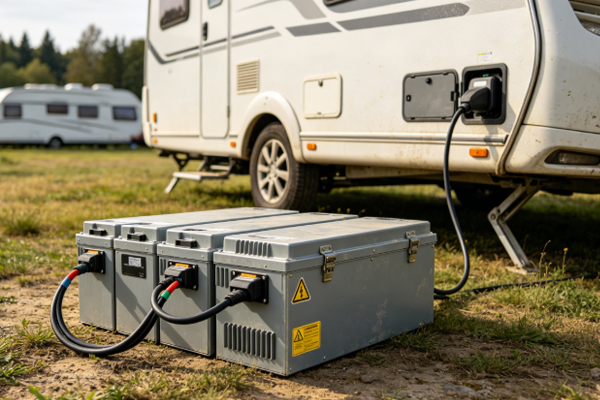
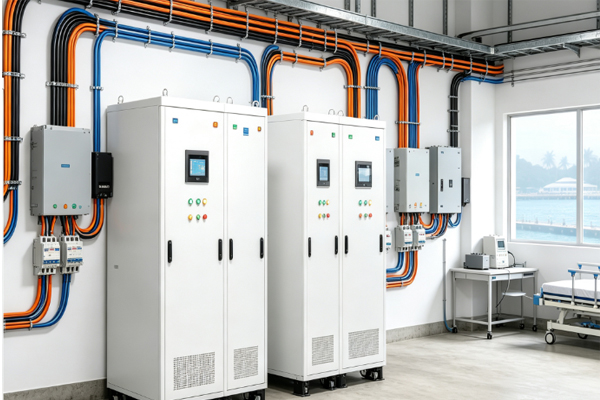
LiFePO4 battery packs have a wide range of applications and can be used in new energy vehicles, RV power supplies, solar energy storage systems, industrial backup power supplies, communication equipment, and outdoor portable power supplies.
LiFePO4 Battery Packs offer advantages such as high safety performance, long cycle life, stable capacity, and simple maintenance, making them one of the most popular battery solutions in current energy storage and power applications. Compared with traditional battery products, they can not only provide more stable energy output but also achieve precise management through intelligent BMS systems, improving overall usage safety. From home solar energy storage to industrial backup power supplies and outdoor mobile energy equipment, LiFePO4 battery packs demonstrate excellent adaptability. Taking the 51.2V 280Ah battery pack as an example, its 14.4kWh capacity, 200A output capability, more than 6000-cycle lifespan, and CAN/RS485 communication functions can meet various energy application requirements. When selecting a LiFePO4 battery pack, users need to consider equipment power requirements, energy storage capacity, operating environment, and management system configuration. Only when battery cells, BMS, structural design, and other components are properly matched can the battery pack fully demonstrate its advantages of safety, durability, and efficiency, providing stable and reliable energy support for different equipment.