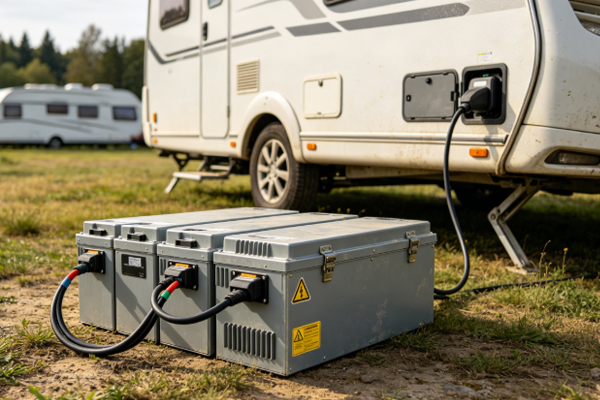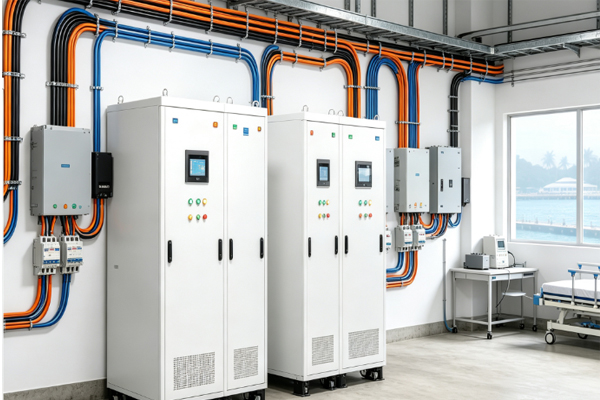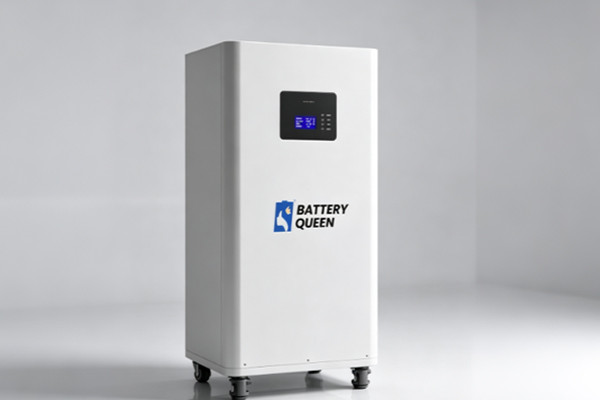
With the rapid growth of new energy equipment and energy storage applications, LiFePO4 battery packs have been widely used in new energy vehicles, solar energy storage systems, industrial backup power supplies, low-speed vehicles, and portable energy devices due to their high safety, long cycle life, and strong stability. Compared with a single battery cell, a battery pack can combine multiple cells and integrate an intelligent management system to achieve higher voltage, larger capacity, and more stable energy output. A complete LiFePO4 battery pack is usually composed of battery cells, a battery management system, structural components, protection devices, and connection components. Each part affects the safety, performance, and service life of the battery pack.
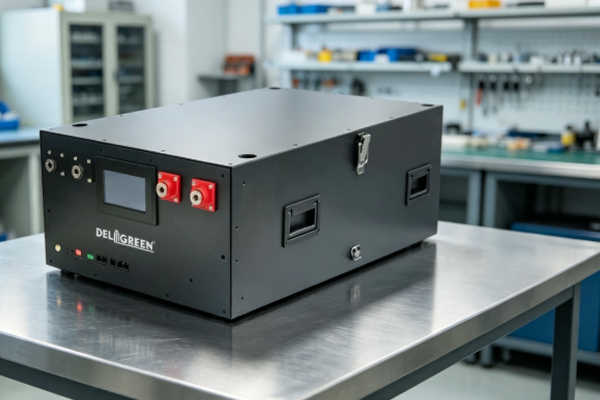
Core Components of LiFePO4 Battery Packs
LiFePO4 Battery Cells Are the Basic Units of the Battery Pack
LiFePO4 battery cells are the most important energy storage components in the entire battery pack and are mainly responsible for storing and releasing electrical energy. Multiple battery cells are connected in series or parallel to form a battery pack that meets the requirements of different devices. The internal structure of a battery cell mainly includes cathode materials, anode materials, separators, and electrolytes. Among them, the cathode uses lithium iron phosphate material, giving the cell high safety performance and excellent cycle stability. During the battery pack design process, the quality of battery cells directly affects overall performance.
- High-quality Grade A cells provide better consistency;
- Smaller capacity differences between cells improve battery pack stability;
- Lower internal resistance helps reduce energy loss.
For example, a 48V LiFePO4 battery pack usually requires multiple individual battery cells to be connected properly to achieve the target voltage, and then combined with a protection system to complete overall operation.
Cell Connection Structure Determines Battery Pack Performance
The voltage and capacity provided by a single battery cell are limited, so different connection methods are required to form a complete battery pack.
Common connection methods include: Series connection: Increases the overall voltage of the battery pack; Parallel connection: Increases the capacity and output capability of the battery pack; Series-parallel combination: Improves both voltage and capacity.
For example, multiple 3.2V LiFePO4 battery cells can be connected in series to create battery packs with different specifications, such as 12V, 24V, and 48V. A reasonable connection method not only affects the battery output capability but also determines the long-term stability of the battery pack during operation.
Important Protection Components of LiFePO4 Battery Packs
BMS Battery Management System Provides Intelligent Control
The BMS (Battery Management System) is an important control device in a LiFePO4 battery pack and is often called the “brain” of the battery. It can monitor the operating status of the battery pack in real time and manage voltage, current, temperature, and charging and discharging processes.
The main functions of a BMS include:
- Preventing battery cells from overcharging;
- Avoiding excessive battery discharge;
- Controlling charging and discharging current;
- Monitoring battery cell temperature;
- Balancing voltage differences between individual cells.
Since multiple battery cells may have capacity differences after being combined, some cells may reach their limits earlier without BMS management, which can affect the service life of the entire battery pack.
Temperature Detection and Protection Devices Ensure Operating Safety
Temperature changes directly affect the operating condition of LiFePO4 battery packs, so temperature sensors are usually installed inside the battery system. Temperature detection devices can provide real-time feedback on battery cell temperatures. When abnormal heating or low-temperature conditions occur, the BMS will take corresponding protective measures.
For example:
- Reduce output power at high temperatures;
- Limit charging speed at low temperatures;
- Stop operation when temperature abnormalities occur.
This protection design can reduce the impact of environmental changes on the battery and improve overall usage safety.
External Structural Components of LiFePO4 Battery Packs
Battery Housing Provides Fixation and Protection
The battery housing is an important structure that protects internal components. Its main functions are to secure battery cells and prevent external environmental factors from affecting the battery. According to different application requirements, housing materials usually include plastics, aluminum alloys, and steel materials.
Different equipment has different requirements for battery housings:
- Outdoor energy storage equipment requires better waterproof and dustproof capabilities;
- Vehicle battery packs require higher vibration resistance;
- Industrial equipment requires stronger structural designs.
A well-designed housing can not only protect internal battery cells but also help the battery pack dissipate heat, improving long-term operating stability.
Connection Plates and Wiring Harnesses Enable Power Transmission
Battery cells need to be connected through connection plates, nickel strips, copper busbars, and wiring harnesses to ensure proper current transmission between different components. Although these connection components are relatively small, they have a significant impact on battery pack performance.
High-quality connection materials can:
- Reduce resistance;
- Decrease heat generation;
- Improve current transmission efficiency.
In large-capacity battery packs, connection structure design becomes even more important. Appropriate conductive materials must be selected according to current requirements.
Insulation Materials Improve Battery Pack Safety
LiFePO4 battery packs contain relatively high voltages internally, so insulation materials are required for safe isolation.
Common insulation components include:
- Insulation films;
- Insulation boards;
- Protective pads;
- Battery cell isolation materials.
These materials can reduce the risk of short circuits between battery cells while protecting the internal structure of the battery pack and improving overall safety.
Frequently Asked Questions
Is a LiFePO4 Battery Pack Only Made Up of Battery Cells?
Many users believe that a battery pack is simply a combination of multiple battery cells. In fact, a complete battery pack contains many additional components. Besides battery cells, it also requires a BMS, battery housing, connection components, protection devices, and temperature control structures. These components work together to enable stable and safe charging and discharging functions. Without a management system, even high-performance battery cells may experience reduced service life due to improper usage.
Is BMS Important in a LiFePO4 Battery Pack?
The BMS is extremely important for LiFePO4 battery packs. Since battery packs are usually composed of multiple battery cells, each cell may have slight differences in operating status. The BMS can monitor the condition of each battery cell and adjust differences between cells through balancing functions.
Why Do Different LiFePO4 Battery Packs Have Large Price Differences?
The price differences between different battery packs are mainly related to their internal configurations. Factors affecting cost include: Battery cell brand and grade; BMS functions and configuration; Housing materials; Protection level; Manufacturing processes. Battery packs using high-quality cells and complete protection systems usually provide better stability and longer service cycles.
A LiFePO4 Battery Pack is an energy storage product composed of multiple core components. Among them, battery cells are the foundation for energy storage, while the BMS serves as the key control center for battery management and protection. The housing, connection components, insulation materials, and temperature detection components work together to ensure safe and stable operation of the battery pack. Understanding the structure and components of LiFePO4 battery packs helps users better evaluate product performance and application value. Selection should be based on equipment requirements, voltage requirements, capacity size, and operating environment. Only when all components work together properly can LiFePO4 battery packs fully demonstrate their advantages of safety, stability, and durability, meeting energy requirements in different application scenarios.