Battery cells are the basic building blocks of a lithium battery pack. In an ideal battery system, all cells should have similar capacity, voltage, internal resistance, and charging characteristics. However, differences can gradually develop during manufacturing, storage, charging, and repeated use. These differences are known as cell imbalances or cell inconsistencies.
Cell imbalance is a common issue in lithium battery systems, particularly in large-capacity energy storage batteries and electric vehicle battery packs. It can affect available battery capacity, operating runtime, and overall service life. Understanding these effects helps battery manufacturers and system integrators select suitable battery management systems (BMS) and balancing solutions.
What Causes Cell Imbalance in Lithium Batteries?
Cell inconsistency refers to differences in the electrical and chemical characteristics of individual cells within the same battery pack.
Manufacturing Differences
Even cells produced under the same specifications may have slight variations in actual capacity, internal resistance, and self-discharge rates. These differences can become more noticeable when cells are connected in series or parallel.
Different Operating Conditions
Temperature variations, uneven cooling, and inconsistent charging or discharging conditions can cause cells to age at different rates. Cells operating at higher temperatures may experience faster degradation.
Long-Term Charging and Discharging
Repeated charge and discharge cycles can gradually increase differences between cells. Some cells may reach their upper voltage limits earlier, while others may retain unused capacity.
How Does Cell Imbalance Affect Battery Capacity?
Battery capacity is determined not only by the nominal capacity of individual cells but also by the consistency of the entire battery pack.
In a series-connected battery pack, the same current flows through every cell. If one cell has a lower capacity than the others, it may reach the discharge cutoff voltage earlier. The BMS then stops discharging the entire pack to protect that cell.
As a result, the remaining cells may still contain usable energy, but the battery pack cannot fully access it.
For example, if a series-connected battery pack contains cells with different actual capacities, the cell with the lowest capacity can become the limiting factor during discharge. This reduces the usable capacity of the complete battery system.
How Does Cell Imbalance Reduce Battery Runtime?
Cell imbalance can also shorten the operating time of energy storage systems and electric vehicles.
Early Voltage Cutoff
When one cell reaches its minimum discharge voltage before the others, the BMS may disconnect the battery pack. Even if other cells still have sufficient energy, the system cannot continue operating safely.
Reduced Charging Efficiency
During charging, a cell with a higher voltage may reach its upper voltage limit earlier. The BMS may stop or restrict charging before all cells are fully charged.
This means the battery pack may not achieve its expected usable energy, resulting in shorter runtime between charging cycles.
For residential energy storage systems, this can reduce the electricity available for household consumption. For electric vehicles, it may contribute to reduced driving range.
Does Cell Imbalance Shorten Battery Service Life?
Long-term cell imbalance can accelerate battery degradation, particularly when individual cells repeatedly experience overvoltage or undervoltage conditions.
Increased Stress on Individual Cells
Cells with different capacities and internal resistance levels may experience uneven operating stress. A weaker cell may repeatedly reach its voltage limits earlier than other cells.
Faster Capacity Degradation
If the battery pack continues operating with significant cell inconsistencies, weaker cells may deteriorate faster. This can increase the capacity gap within the pack and further reduce overall performance.
More Frequent Protection Events
A poorly balanced battery pack may trigger BMS overvoltage or undervoltage protection more frequently. Although these protections help prevent damage, repeated interruptions can affect system availability and operating efficiency.
How Can a BMS Reduce Cell Imbalance?
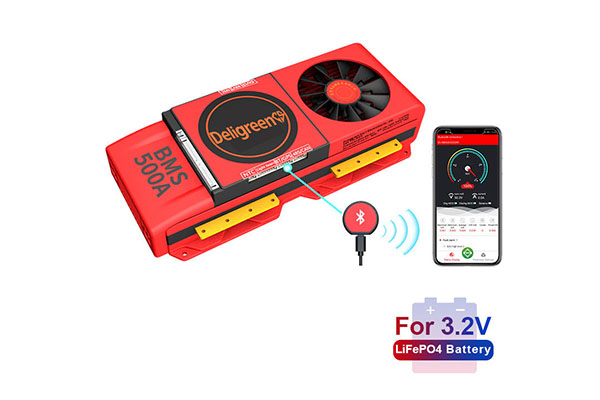
A Battery Management System plays an important role in monitoring and managing cell consistency.
Cell Voltage Monitoring
The BMS continuously monitors individual cell voltages and identifies abnormal differences. This allows the system to detect potential imbalance before it significantly affects battery performance.
Passive Balancing
Passive balancing uses resistors to dissipate excess energy from higher-voltage cells as heat. It has a relatively simple structure and is suitable for battery systems with moderate balancing requirements.
Active Balancing
Active balancing transfers energy from higher-voltage cells to lower-voltage cells. Instead of wasting excess energy as heat, this method redistributes energy within the battery pack and can improve balancing efficiency.
The appropriate balancing method depends on battery capacity, cell characteristics, operating conditions, and system requirements.
Choose Reliable Battery Management Solutions
Cell imbalance can reduce usable battery capacity, shorten runtime, and contribute to uneven battery aging. For battery manufacturers and energy storage system integrators, maintaining cell consistency is essential for reliable long-term operation.
Deligreen provides LiFePO4 battery cells, battery packs, BMS accessories, and energy storage solutions for residential, commercial, and industrial applications. With appropriate cell matching, voltage monitoring, and balancing configurations, battery systems can maintain better consistency and operational reliability.
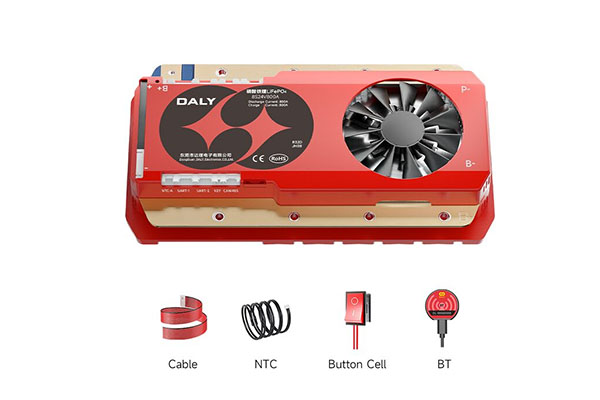
When selecting a BMS, consider cell chemistry, battery capacity, series configuration, balancing current, and protection functions. A properly configured BMS helps manage cell differences and supports the long-term performance of lithium battery systems.