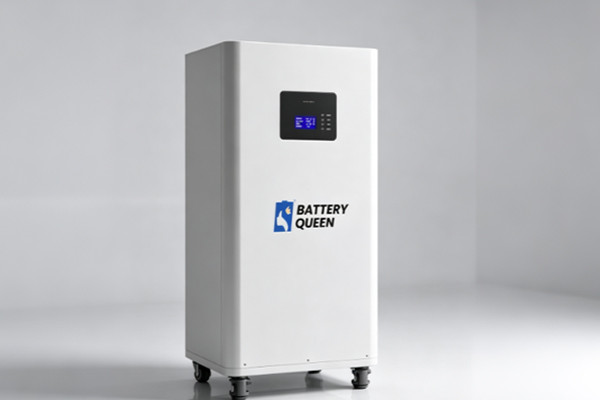
A DIY battery box may appear to be simply a housing for a battery pack, but the actual design and manufacturing process involves multiple details, including dimensional compatibility, material selection, internal layout, and operating environment. A box that is too small may place pressure on the battery, while insufficient structural fixation can cause movement. Improper protection design may also affect the battery’s long-term operating condition. For those preparing to build or purchase a matching battery box, it is more important to define the battery specifications and equipment requirements in advance and then plan the structure according to the actual application than to focus only on low cost or appearance.
Confirm Basic Parameters Before Making a DIY Battery Box
The dimensions of the battery box alone cannot determine the final solution. Internal space and battery pack parameters need to be considered together to avoid installation or maintenance problems after production.
Plan Internal Space Based on Battery Pack Specifications
The battery box needs to reserve appropriate space for battery cells, electrical protection components, and necessary insulation structures.
- Determine the box dimensions according to the length, width, and height of the battery pack.
- Reserve necessary assembly clearances to prevent pressure from being applied to the battery.
- Allocate separate space for wiring, connection components, and protection devices.
- For applications requiring frequent assembly and disassembly, also consider maintenance and inspection convenience.
Reasonable dimensional planning allows internal components to be arranged more clearly while making subsequent inspection and maintenance easier.
Select the Box Structure According to the Operating Environment
Different equipment has different protection requirements for battery boxes.
- Portable equipment places greater emphasis on weight and size.
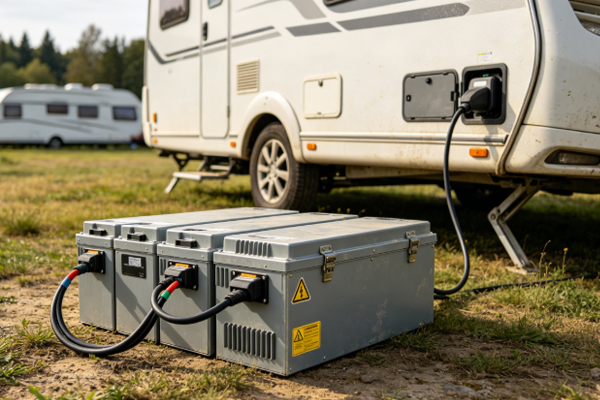
- Outdoor equipment needs to consider dust resistance, water resistance, impact resistance, and temperature resistance.
- Equipment exposed to long-term vibration requires stronger internal fixation to reduce continuous mechanical stress on cells and connection structures.
Matching protection priorities to the equipment type helps improve the applicability and reliability of the battery box.
Pay Attention to Insulation, Fixation, and Safety Protection Design
A battery box needs to provide mechanical protection and electrical isolation. The internal structure should not only focus on whether the components can fit inside, but also reduce the impact of external factors on the battery pack.
Ensure Proper Internal Insulation and Short-Circuit Protection
There are multiple energized components inside a battery box, so the structural design needs to prevent accidental contact between conductive materials that could cause a short circuit.
- Appropriate insulation should be provided between battery cells and around energized connection areas.
- Avoid leaving metal fragments, sharp objects, or other conductive debris inside the box.
- Wiring and connection areas should be protected from being squeezed or worn by the edges of the enclosure.
- Insulation materials should be compatible with the operating temperature and structural environment.
Proper internal isolation can reduce the risks caused by accidental contact and wear while providing more reliable structural protection for the battery pack.
Strengthen the Fixation of Cells and Internal Components
Battery boxes may experience vibration and impact during transportation, movement, or equipment operation, so internal components should not be fixed simply by filling empty spaces. The fixation structure should avoid directly compressing the cells while reducing wear caused by long-term movement. For outdoor or mobile equipment, the strength of the box and the reliability of internal fixation should also be checked according to the actual operating environment.
Properly Configure the BMS and Box Protection Structure
The mechanical design of the battery box needs to work together with the battery management system. The enclosure material alone cannot provide all necessary electrical protection functions.
Match the BMS to the Battery Pack Parameters
A higher-specification BMS is not necessarily better. It needs to match the battery type, series-parallel configuration, and operating requirements of the equipment.
- Pay attention to the nominal voltage and operating range of the battery pack.
- Consider current monitoring and protection capabilities according to actual operating requirements.
- Check temperature detection and individual cell status management functions.
- For battery packs intended for long-term use, also consider status management functions such as SOC and SOH.
An appropriate BMS configuration can improve battery status monitoring while making subsequent fault identification and maintenance management more convenient.
Balance Heat Dissipation and External Protection
Batteries generate heat during operation, so the box design should not focus only on complete enclosure. The heat dissipation method should be planned according to battery power, operating environment, and equipment structure while avoiding weakened protection caused by excessive emphasis on cooling. For lithium-ion battery systems, thermal resistance, mechanical strength, and risk control under abnormal conditions should also be considered according to the specific design. Maintaining a balance between heat dissipation, protection, and structural strength helps improve the suitability of the battery box for long-term operation.
Perform Inspection and Maintenance After Completion
After the box is completed, inspections are still needed to confirm that the structure and supporting systems meet actual operating requirements. Abnormal changes during daily operation should also be addressed promptly.
Check the Overall Condition Before Use
Before formal use, carefully check the battery box and battery pack for any obvious abnormalities.
- Check whether the box has cracks, deformation, or loose fixation.
- Check wiring and connection areas for wear, exposed conductors, or signs of abnormal heating.
- Confirm that the battery pack is not subjected to continuous pressure after installation.
- Check whether the BMS and related protection functions match the overall system design.
Completing basic inspections before use can reduce the possibility of assembly defects entering the actual operating stage.
Pay Attention to Abnormal Changes During Routine Maintenance
If the battery shows abnormal heating, swelling, unusual odors, smoke, leakage, significant performance degradation, or enclosure damage during use, stop using it immediately and follow appropriate safety procedures. Do not disassemble it yourself or continue charging or discharging it.
- If any of the above abnormalities occur, stop using the battery and follow the appropriate safety handling procedures.
- Do not attempt to identify the cause of a fault by disassembling the battery or continuing to charge or discharge it.
- For battery boxes used over an extended period, regularly inspect the enclosure, fixation structure, insulation condition, and battery health data.
- If aging or significant performance changes are detected, arrange professional inspection and handling promptly.
Properly identifying abnormalities and conducting regular inspections can help reduce battery-related operating risks.
When selecting a DIY battery box, the factors that need to be compared are not limited to price and appearance. Box dimensions, material strength, internal space, insulation design, heat dissipation conditions, and compatibility with the battery management system are also important. For different equipment and operating environments, usage requirements should be defined in advance before selecting an appropriate structural design and protection level. Incorporating these factors into purchasing and manufacturing standards makes it easier for DIY battery products to balance installation convenience, subsequent maintenance, and actual application requirements.