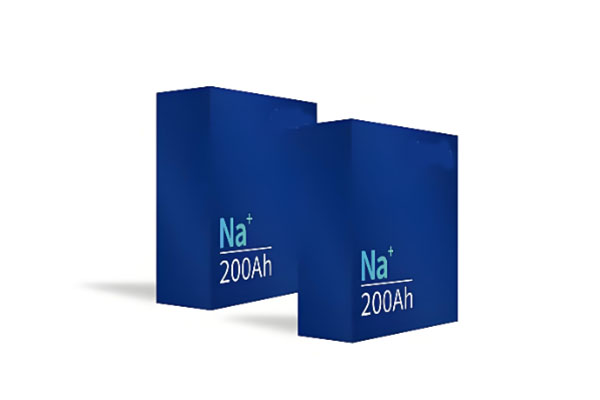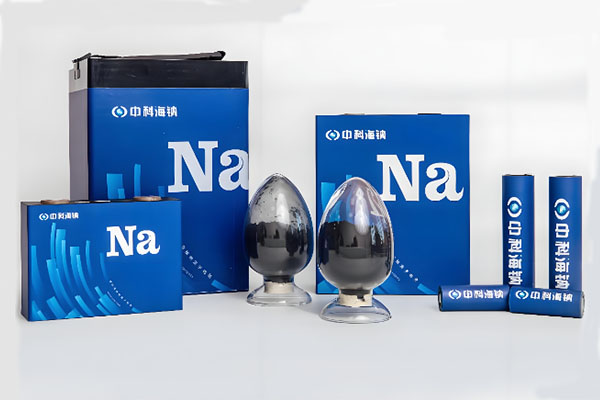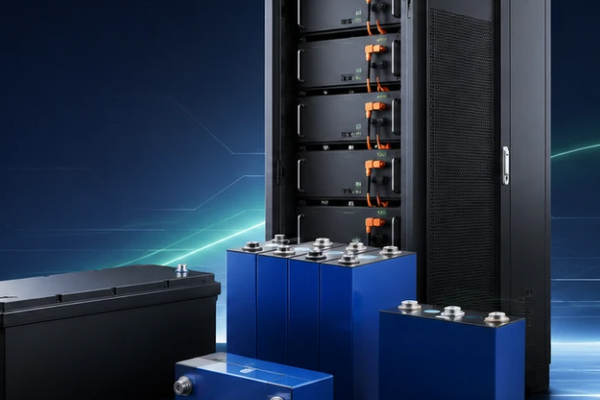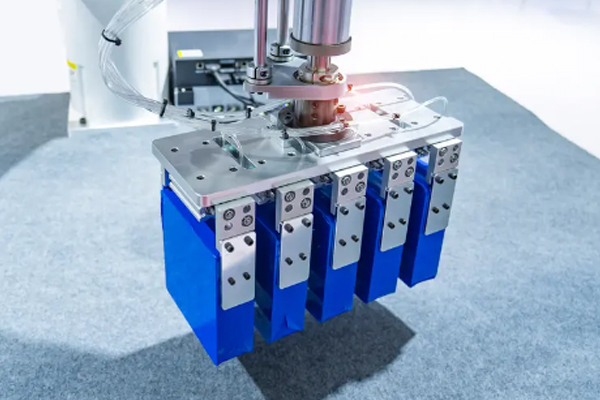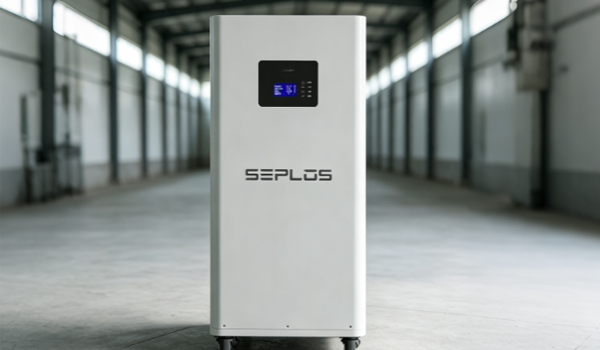
As the new energy industry continues to develop, sodium-ion batteries are emerging as an important alternative battery technology alongside lithium-ion batteries. Compared with lithium-based batteries, sodium-ion batteries benefit from abundant sodium resources, strong supply-chain potential, and promising low-temperature performance. As a result, they are attracting increasing attention in energy storage, electric vehicles, industrial equipment, and other applications. The International Energy Agency (IEA) notes that sodium-ion batteries are currently particularly suitable for short-range electric vehicles, two- and three-wheelers, industrial equipment, and stationary energy storage.
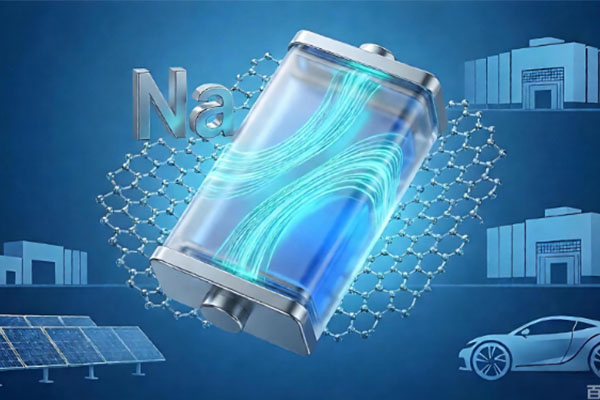
Why Are Sodium-Ion Batteries Attracting Attention?
Abundant Sodium Resources and Supply-Chain Potential
Sodium is one of the relatively abundant elements found in nature, with widely available raw material sources. Sodium-ion batteries do not depend on lithium resources, which can help reduce reliance on a single group of critical minerals.
This resource advantage is particularly meaningful for large-scale battery applications such as energy storage, where stable and diversified raw material supply is important for long-term development.
Good Performance in Low-Temperature Environments
Low temperatures can affect the performance of some lithium-ion batteries. Sodium-ion battery technology has shown promising performance in cold environments. Some of the latest sodium-ion battery technologies can maintain a high proportion of their rated capacity even at temperatures as low as -40°C.
This makes sodium-ion batteries attractive for cold regions, electric transportation, and outdoor energy storage equipment where low-temperature performance is an important consideration.
Energy Density Remains an Important Consideration
Sodium-ion batteries are not designed to replace lithium-ion batteries in every application. Their overall energy density is still generally lower than that of advanced lithium iron phosphate and ternary lithium batteries.
For applications that require extremely high energy density, such as long-range passenger vehicles and aviation, battery selection still needs to be based on specific performance requirements. However, for applications where weight and volume are less critical, sodium-ion batteries can offer greater flexibility.
What Are the Common Applications of Sodium-Ion Batteries?
Renewable Energy Storage Systems
Energy storage is one of the most important application areas for sodium-ion batteries.
In solar and wind power systems, electricity generation can fluctuate depending on weather and time of day. Sodium-ion batteries can store excess electricity and release it when demand increases, helping improve renewable energy utilization.
In addition to large-scale grid energy storage, sodium-ion batteries can also be used for commercial and industrial energy storage, microgrids, communication base station backup power, and residential energy storage.
For stationary energy storage, battery weight is generally less important than it is for electric vehicles. This means the relatively lower energy density of sodium-ion batteries can be more easily accommodated in stationary applications.
Electric Vehicles
Sodium-ion batteries have started entering the electric vehicle market, but they are currently more suitable for short-range vehicles, urban commuting, and cost-sensitive applications.
Small electric vehicles, urban delivery vehicles, and certain hybrid battery systems can become important application areas for sodium-ion technology. Sodium-ion batteries can provide a practical balance between cost, performance, and operating conditions for vehicles that do not require extremely long driving ranges.
Electric Two-Wheelers and Three-Wheelers
Electric bicycles, electric motorcycles, and electric three-wheelers need to balance battery weight, cost, and driving range.
Sodium-ion batteries have strong potential in these short-distance transportation applications, particularly for urban delivery, community transportation, and daily commuting.
In colder regions, their low-temperature performance can also become an important advantage. For electric three-wheelers used for logistics and commercial transportation, battery capacity, cycle life, charging performance, and temperature adaptability should all be considered when selecting a battery system.
Industrial Vehicles and Equipment
Forklifts, AGVs, warehouse robots, and other industrial equipment are also promising applications for sodium-ion batteries.
These machines often require frequent charging and discharging and may operate for extended periods in warehouses, logistics centers, or other demanding environments. Sodium-ion battery packs can be customized according to the power output, operating time, and temperature requirements of specific equipment.
As industrial automation continues to expand, reliable battery systems will become increasingly important for material handling and smart warehouse operations.
How Should You Choose a Sodium-Ion Battery for Different Applications?
Stationary Energy Storage: Focus on Cost and Cycle Life
For energy storage projects, battery weight is usually not the main limitation. Buyers should pay closer attention to system cost, cycle life, safety management, thermal performance, and long-term operating stability.
A properly designed sodium-ion energy storage system can provide reliable power storage for renewable energy and commercial applications.
Two-Wheelers and Three-Wheelers: Focus on Range and Low-Temperature Performance
Electric two-wheelers and three-wheelers need to balance battery size, driving range, charging requirements, and operating conditions.
When selecting a sodium-ion battery, users should consider more than just nominal capacity. Cell consistency, battery management system (BMS), battery pack design, charging performance, cycle life, and low-temperature characteristics are also important.
Industrial Equipment: Focus on Continuous Operation
Industrial vehicles such as forklifts and AGVs often operate for long periods and may require frequent charging and discharging.
For these applications, battery cycle life, power output, charging efficiency, safety, and battery management are key factors. A suitable sodium-ion battery solution can help industrial equipment maintain stable performance during repeated daily operations.
What Is the Future Development Potential of Sodium-Ion Batteries?
As cell materials, manufacturing processes, and battery system technologies continue to improve, sodium-ion batteries have the potential to achieve better energy density, fast-charging performance, cycle life, and overall reliability.
The future of battery technology is not simply about replacing lithium-ion batteries with sodium-ion batteries. Instead, different battery chemistries are likely to complement each other according to the requirements of different applications.
Sodium-ion batteries may gain greater market opportunities in renewable energy storage, electric two-wheelers, electric three-wheelers, short-range electric vehicles, industrial vehicles, and equipment operating in cold environments.
Overall, where sodium-ion batteries can be used depends largely on the specific requirements for cost, energy density, driving range, low-temperature performance, charging speed, and safety.
For stationary energy storage, short-distance electric vehicles, electric two-wheelers and three-wheelers, industrial equipment, and cold-weather applications, sodium-ion batteries offer significant development potential.
As the technology continues to mature, sodium-ion batteries are expected to become an important part of the broader rechargeable battery market. For manufacturers and system integrators, choosing the right sodium-ion battery solution according to the application scenario will be essential for achieving a balance between performance, cost, reliability, and long-term operating efficiency.