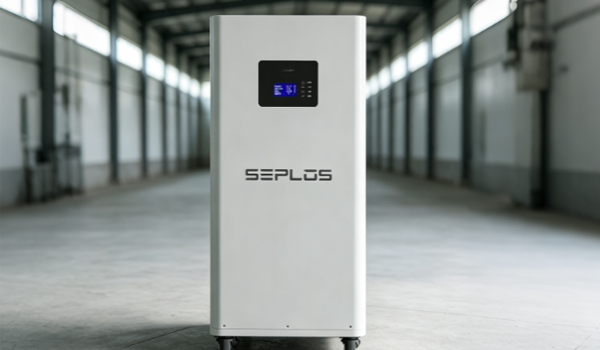
Sodium-ion batteries are gradually entering application fields such as energy storage, electric two-wheelers, low-speed vehicles, and backup power supplies due to their abundant resources, relatively high cost potential, and good low-temperature performance. During charging, discharging, transportation, and long-term operation, batteries are affected by voltage, current, temperature, and cell consistency. The supporting protection system directly affects operational safety, cycle life, and overall system stability. Understanding the components of a sodium-ion battery protection system can help companies choose a suitable BMS solution and enable users to determine whether a product provides reliable safety protection.
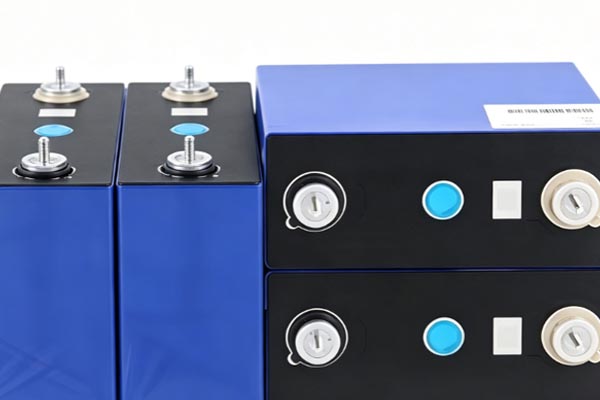
Core Components of a Sodium-Ion Battery Protection System
Sodium-ion battery protection consists of detection, control, execution, and communication modules.
Battery Management System (BMS)
The BMS is the core of the sodium-ion battery protection system. It is mainly responsible for collecting cell status information and executing control strategies.
- Monitors cell voltage, total voltage, current, and temperature.
- Identifies risks such as overcharge, over-discharge, overcurrent, and short circuits.
- Records operating data to assist with fault diagnosis and maintenance.
- Adjusts charging and discharging power according to the state of charge.
A fully functional BMS can keep the battery operating within a reasonable range and reduce damage to the cells caused by abnormal operating conditions.
Protection Boards and Actuating Components
Protection boards are typically used together with MOSFETs, relays, fuses, and other components. They are mainly responsible for disconnecting circuits and isolating faults under abnormal conditions:
- When abnormal voltage or current is detected, the charging or discharging circuit is disconnected.
- Fuses are mainly used to handle severe short circuits and high-current faults.
- Relays are suitable for higher-power battery systems.
- MOSFETs are commonly used in small battery packs and portable devices.
Multi-level execution protection can improve the safety of sodium-ion batteries during sudden faults.
Electrical Protection Functions of Sodium-Ion Batteries
Electrical protection is the most basic part of a battery management system and directly affects cell life and operational safety.
Overcharge and Over-Discharge Protection
Long-term operation of sodium-ion batteries at abnormally high or low voltages may cause capacity degradation, increased internal resistance, and reduced performance.
- Overcharge protection limits or stops charging when the voltage reaches the preset upper limit.
- Over-discharge protection disconnects the discharging circuit when the voltage is too low.
- The recovery mechanism reconnects the system after the voltage returns to the safe range.
Proper voltage protection can reduce cell damage and help the battery maintain stable cycle performance.
Overcurrent, Short-Circuit, and Reverse-Connection Protection
High-current output, circuit short circuits, or wiring errors may cause component overheating and even safety accidents. Protection systems typically determine abnormal conditions based on the rate and duration of current changes, then isolate the fault through MOSFETs, relays, or fuses. Some products also include reverse-connection detection to reduce the risk of incorrect operation during installation and maintenance. Comprehensive current protection can improve the reliability of sodium-ion batteries in complex operating environments.
Cell Balancing Protection
A battery pack consists of multiple cells connected in series. After long-term use, differences in voltage and capacity may develop between individual cells.
- Passive balancing consumes excess energy from high-voltage cells through resistors.
- Active balancing improves differences in cell status through energy transfer.
- The balancing strategy should be configured according to cell capacity, the number of series-connected cells, and operating conditions.
Improved cell consistency helps stabilize the usable capacity and overall service life of the battery pack.
Temperature and Thermal Safety Protection for Sodium-Ion Batteries
Temperature changes affect the charging and discharging efficiency, internal resistance, and service life of sodium-ion batteries. Thermal management is therefore an essential part of the protection system.
High- and Low-Temperature Protection
BMSs typically use temperature sensors to continuously monitor cells, busbars, and key connection points, and take corresponding measures according to temperature conditions:
- Reduce charging and discharging power or stop operation at high temperatures.
- Limit the charging current at low temperatures to prevent the cells from operating under unsuitable conditions.
- Outdoor energy storage systems and equipment used in cold regions can be combined with heating modules and insulation structures.
- Set graded protection thresholds for different temperature ranges.
Temperature protection can reduce the impact of extreme environments on battery performance and safety.
Thermal Runaway Warning and Isolation
Large sodium-ion battery systems need to monitor signals such as abnormal temperature increases, widening temperature differences, and localized heat accumulation.
- Monitor the rate of temperature change.
- Identify abnormal voltage and current fluctuations.
- Link with air-cooling, liquid-cooling, or fire-protection systems.
- Reduce the risk of fault propagation through zoned design.
Early warning and rapid isolation can help improve the overall safety of energy storage cabinets and power battery systems.
Application-Oriented Intelligent Protection and System Design
Different applications have different requirements for sodium-ion battery protection systems. Actual operating conditions and subsequent maintenance should be considered when selecting a solution.
Communication and Remote Monitoring
Energy storage systems, electric vehicles, and backup power supplies typically require real-time monitoring of battery status. Common communication and monitoring functions include:
- Transmitting operating data through CAN, RS485, Bluetooth, or wireless communication modules.
- Viewing voltage, temperature, SOC, and fault codes in real time.
- Analyzing battery operating trends through a management platform.
- Identifying abnormalities promptly and arranging inspection and maintenance.
Protection systems with communication capabilities are more suitable for large-scale equipment and remote operation and maintenance scenarios.
Parameter Matching and Customized Design
A protection board is not necessarily better simply because it has higher parameters. The key is to match it with the cells and equipment.
- Set the voltage range according to the number of series and parallel connections.
- Select components based on continuous current and peak current.
- Set protection thresholds according to charger parameters.
- Adjust the balancing strategy according to the requirements of energy storage systems, vehicles, or tools.
A properly matched BMS can reduce false protection and missed protection, allowing sodium-ion batteries to deliver more stable performance.
Key Points to Consider When Purchasing
When selecting a sodium-ion battery protection system, customers should consider not only the rated parameters but also the product’s detection accuracy, protection response speed, thermal design, communication functions, and after-sales support. The cell brand, system certifications, actual test data, and long-term operating cases can also help assess the reliability of a solution.
A sodium-ion battery protection system should be designed according to cell status, operating environment, and equipment requirements. It typically includes a BMS, electrical protection, temperature protection, balancing management, thermal safety warnings, and communication monitoring. Properly configured protection parameters can reduce risks such as overcharge, over-discharge, overcurrent, and overheating, thereby ensuring stable equipment operation. Since battery structures and operating conditions vary between projects, the same solution should not be applied directly to every application. It is recommended to select an appropriate product configuration based on actual requirements.