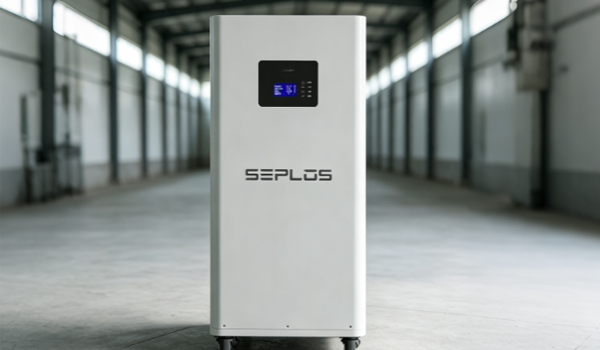
LiFePO4 batteries have good safety, cycle life, and stability, so they are widely used in RV power supplies, energy storage equipment, solar energy storage, low-speed vehicles, marine power supplies, and portable power supplies. However, LiFePO4 batteries are not completely free from abnormalities. If cells are exposed to overcharging, high temperatures, high-current charging and discharging, mechanical damage, or long-term improper storage, the risk of internal gas generation, swelling, and even performance degradation may increase. For fully assembled battery packs, it is also necessary to pay attention to BMS protection parameters, charger specifications, heat dissipation conditions, and cell consistency.
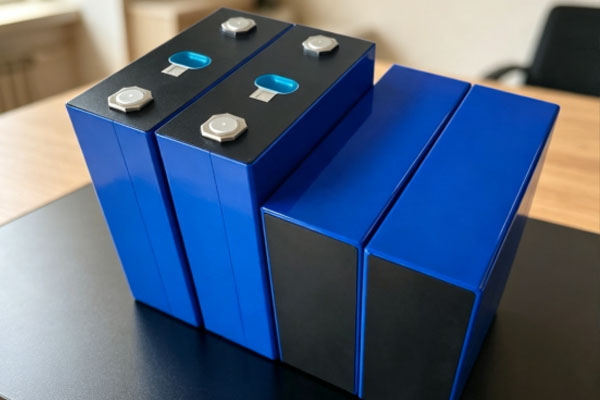
Preventing LiFePO4 battery swelling cannot rely on just one component. During daily use, a dedicated LiFePO4 charger should be used, long-term storage at full charge should be avoided, charging and discharging in high-temperature environments should be controlled, and high-current operation beyond the cell specifications should be reduced. At the same time, the battery housing and voltage status should be checked regularly. During battery production and assembly, reliable and consistent cells should be selected, and the BMS, protective devices, and heat dissipation structure should be configured correctly. In particular, batteries that have already developed slight swelling should not continue to undergo charging and discharging tests to “restore” them. Instead, they should be taken out of service and professionally inspected.
Choose the Right Charging Method
Use a Dedicated LiFePO4 Charger
12V LiFePO4 battery packs generally use a 4-series configuration, with a nominal voltage of approximately 12.8V. The full-charge voltage is usually around 14.4V–14.6V, but the specific parameters should be based on the specifications provided by the cell and battery manufacturer. Using an ordinary charger may result in excessive charging voltage, abnormal charging time, or frequent activation of protection devices. Therefore:
- Use a charger compatible with the number of cells in series in the battery.
- Do not use a standard lead-acid battery charger for LiFePO4 batteries for extended periods.
- The charger output voltage should comply with the requirements specified by the battery manufacturer.
- If the battery temperature rises significantly, an unusual odor appears, or the housing becomes abnormal, stop charging immediately.
Avoid Keeping the Battery at a High State of Charge for Long Periods
LiFePO4 batteries are suitable for normal charging and discharging, but storing them at full charge for long periods is not an ideal storage condition. If the battery remains at 100% charge for an extended period, especially in a high-temperature environment, the stress on the cells may increase. For batteries that need to be left unused for a long time, they can be stored at the storage charge level specified by the battery manufacturer, with the voltage and appearance checked regularly. During storage, avoid direct sunlight, enclosed high-temperature spaces, and locations close to heat sources.
Control Temperature and Operating Current
Pay Particular Attention to High-Temperature Environments
Temperature has a significant effect on the operating condition of LiFePO4 batteries. Charging in high-temperature environments may accelerate internal side reactions within the cells, while charging in low-temperature environments may cause abnormal lithium plating inside the cells. Therefore, it is not enough to focus only on whether the battery can operate normally. The ambient temperature during use must also be considered.
During daily use, pay attention to the following:
- Avoid leaving the battery in a vehicle cabin that has been exposed to direct sunlight for a long time.
- Do not install the battery box near an engine compartment that remains at high temperatures.
- During continuous high-current discharge, ensure that the battery box has adequate heat dissipation.
- Before charging in a low-temperature environment, confirm whether the cells are permitted to charge at the current temperature.
If abnormal heating has already occurred inside the battery, stop using it and allow it to cool naturally. Do not attempt to handle the situation through forced charging or high-current discharge.
Do Not Exceed the Cell Discharge Capability for Long Periods
Battery capacity and discharge current are two different parameters. For example, a 100Ah LiFePO4 battery does not necessarily mean that it can continuously output 100A or 200A. The specific allowable current must be determined by checking the continuous discharge rate of the cells and the BMS rated current. If the equipment has relatively high power requirements, long-term high-current operation will generate more heat. The connecting wires, busbars, terminals, and BMS will also experience greater loads. Therefore, an appropriate battery capacity and discharge capability should be selected according to the actual power of the equipment rather than simply pursuing higher output current.
Properly Protect the Battery Pack and Perform Daily Checks
BMS Parameters Need to Match the Battery
The BMS can provide protection for a LiFePO4 battery pack against overcharging, over-discharging, overcurrent, temperature abnormalities, and other conditions. For a 4S LiFePO4 battery pack, the BMS needs to be compatible with the 4-series battery configuration, with appropriate protection parameters set according to the cell specifications. The BMS cannot replace proper cell selection and the correct charger. If the cells themselves have quality issues, or if the battery pack is exposed to abnormal temperatures and overload conditions for extended periods, installing a BMS cannot guarantee that the battery will never develop abnormalities. During battery assembly, the consistency between cells should also be checked. Mixing cells with different capacities, different internal resistances, or significantly different states may cause inconsistent voltage changes among the cells connected in series, causing some cells to reach charging or discharging limits earlier.
Regularly Check the Battery Appearance
Users can identify some abnormal conditions in a timely manner through simple visual inspections.
During inspection, check whether:
- The battery housing has swelling, deformation, or cracks.
- The battery is generating abnormal heat or producing an unusual odor.
- The terminals and connecting wires show obvious heating, discoloration, or burning.
- The battery frequently triggers protection during charging and discharging.
If the battery housing is visibly swollen, stop charging and discharging immediately. Do not continue squeezing the battery housing or disassemble the cells yourself. A battery that has developed significant swelling should be inspected and handled by qualified professionals.
Frequently Asked Questions
Q: Why do LiFePO4 batteries swell?
A: Battery swelling is usually related to internal gas generation, abnormal temperatures, cell aging, overcharging, damage, or manufacturing defects. LiFePO4 has relatively good thermal stability, but this does not mean that side reactions cannot occur inside the cells. Swelling may still occur when the battery remains under unsuitable operating conditions for an extended period.
Q: Can a LiFePO4 battery swell even when used normally?
A: It is possible. Normal use can reduce the probability of abnormalities, but it cannot completely eliminate issues caused by cell defects, long-term aging, or abnormal operating environments. If the battery shows obvious deformation, stop using it instead of continuing to observe whether it can return to normal.
Q: Can a battery with slight swelling continue to be used?
A: Continued use is not recommended. Swelling indicates that the cell condition has become abnormal, and continued charging or discharging may further increase the risk. Do not attempt to determine whether the battery can still be used by squeezing the housing, disassembling the battery, or continuing charging and discharging tests.
Q: How can I prevent a 12V LiFePO4 battery from swelling?
A: Use a compatible charger and BMS, avoid overcharging, over-discharging, and long-term high-current operation, control high-temperature environments, store the battery properly, and regularly check its appearance, temperature, and voltage status. Cell selection and battery pack assembly quality are equally important.
Preventing Swelling Starts with Daily Use
The following points can be remembered during daily use:
- Use a compatible LiFePO4 charger and do not arbitrarily mix chargers designed for other battery types.
- Avoid operating the battery at high temperatures for long periods and avoid storing it at full charge for extended periods.
- Do not allow the load to continuously exceed the discharge current permitted by the cells and BMS.
- Regularly check the battery housing, terminals, cables, and temperature status.
For batteries that have already developed swelling, preventive measures cannot replace fault handling. At this point, stop using the battery and avoid continued charging, discharging, squeezing, or disassembly. Although LiFePO4 batteries have good safety performance, proper charging and discharging conditions, suitable temperature environments, and reliable battery pack assembly remain important foundations for reducing cell abnormalities and extending normal service life. As long as the battery is operated according to its specifications and abnormal conditions are handled promptly, the risks associated with battery swelling can be effectively reduced.
LiFePO4 batteries have a relatively low probability of swelling when used and maintained properly, but users should still not take it lightly during daily use. Whether a battery is prone to swelling is related to cell quality, charger compatibility, charging voltage, operating temperature, discharge current, and storage conditions. During normal use, try to charge and discharge the battery according to the parameters provided by the battery manufacturer. Do not use incompatible charging equipment simply to pursue faster charging, and do not allow the battery to remain in high-temperature, overcharged, or high-current operating conditions for long periods. When the battery is not used for an extended period, do not simply leave it in direct sunlight, a very high-temperature environment, or a damp location. A simple check of the battery appearance and voltage status is sufficient. If the battery shows swelling, deformation, an unusual odor, or abnormal heating, do not continue charging or using it, and never squeeze the battery housing by hand or disassemble it yourself for inspection. For a battery that has already developed significant swelling, stopping use promptly and handing it over to a professional for handling is a safer approach. Paying attention to charging, use, and storage details during daily operation can not only reduce the possibility of battery swelling but also help maintain the stable operating condition of LiFePO4 batteries, making them more reliable and worry-free in practical applications.