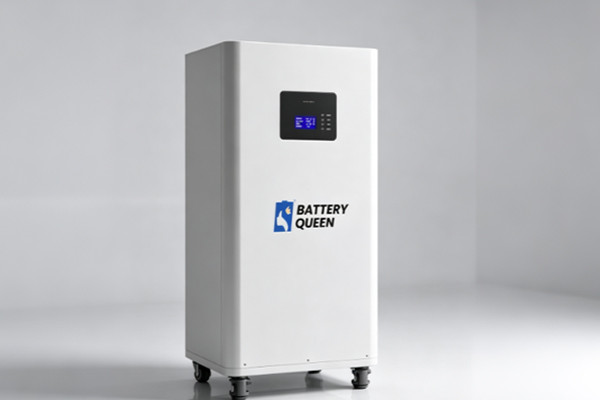
With the continuous increase in battery applications, the DIY battery box has become a common component in energy storage systems, electronic products, power tools, and maker projects. The battery box enclosure not only fixes and protects the cells but also affects heat dissipation, protection performance, and service life. Different materials vary in strength, weight, heat resistance, and processing methods, so choosing the right enclosure material is very important. Understanding the characteristics of common materials helps make more reasonable choices during design or modification.
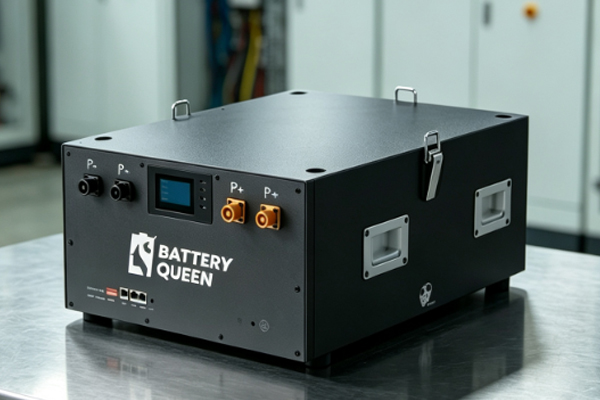
Plastic Materials Are Common Choices for DIY Battery Box Enclosures
Plastic materials are lightweight, flexible to process, and relatively low in cost, so they are widely used in various DIY battery box designs. They are suitable for scenarios that require portability and basic protection.
ABS Plastic Enclosure
ABS is a common engineering plastic widely used in DIY battery boxes.
- Good impact resistance, not easily damaged by minor drops.
- Easy to process, can be molded by injection, cutting, or 3D printing.
- Good surface finishing, suitable for painting or texturing.
ABS provides a good balance between structural strength and low weight, making it suitable for portable or small-to-medium battery boxes.
PC Plastic Enclosure
PC material performs well in strength and weather resistance.
- High transparency and strong environmental adaptability.
- Excellent impact resistance and high safety level.
- Suitable for outdoor or high-power battery systems.
PC enclosures are ideal for DIY battery box applications with higher protection requirements.
Nylon Enclosure
Nylon offers balanced mechanical performance and is suitable for long-term use.
- Strong wear resistance, suitable for frequent use.
- High tensile strength and stable structure.
- Stable performance under temperature and humidity changes.
Nylon enclosures are suitable for industrial-grade or high-frequency usage scenarios.
Metal Materials Improve DIY Battery Box Protection Performance
When applications require higher strength, better heat dissipation, and greater safety, metal materials offer clear advantages and are commonly used in high-power or industrial battery systems.
Aluminum Alloy Enclosure
Aluminum alloy achieves a good balance between performance and weight.
- Relatively lightweight, does not add excessive burden.
- Good heat dissipation, helps reduce temperature rise.
- High structural strength and strong impact resistance.
It is suitable for energy storage systems, electric vehicle battery packs, and other DIY battery boxes requiring heat management.
Stainless Steel Enclosure
Stainless steel has strong corrosion resistance and is suitable for long-term outdoor or harsh environments.
- Resistant to rust, stable in humid or salt-spray conditions.
- Structurally stable and not easily deformed, suitable for high-reliability needs.
- Adaptable to complex environments, suitable for industrial or outdoor use.
Stainless steel enclosures provide stronger protection and environmental adaptability for DIY battery boxes.
Steel Enclosure
Steel has very high mechanical strength and is often used in fixed systems with high protection requirements. It can withstand strong external forces, offers excellent compression and impact resistance, and provides high safety. However, due to its heavy weight and low portability, it is more suitable for fixed installations rather than frequently moved applications. It is commonly used in industrial equipment or large energy storage systems, improving the overall stability of DIY battery boxes.
Impact of Different Enclosure Materials on DIY Battery Box Performance
Enclosure materials not only affect structure but also directly influence real-world performance.
Impact on Heat Dissipation
Batteries generate heat during charging and discharging, and poor heat dissipation can affect lifespan and safety.
- Metal materials conduct heat quickly and help reduce temperature rise.
- Plastic materials have weaker thermal conductivity and usually require ventilation holes or structural optimization.
- Proper airflow and thermal design improve the thermal management capability of DIY battery boxes.
This enhances the safety and stability of the DIY battery box.
Impact on Safety Performance
The enclosure plays an important protective role in battery systems and directly affects operational safety.
- Prevents external impact damage to cells and reduces safety risks.
- Reduces the likelihood of short circuits when properly designed.
- Provides basic insulation and isolation from external contact.
Choosing the right enclosure material is therefore essential.
Impact on Weight and Portability
Different materials vary significantly in weight, affecting user experience.
- Plastic enclosures are lighter and suitable for portable devices.
- Aluminum alloy offers a balance between weight and strength for mid-to-high-end applications.
- Steel is heavier and better suited for fixed installations.
Weight should be considered based on the application scenario when selecting a DIY battery box enclosure.
How to Choose DIY Battery Box Enclosure Materials Based on Application Scenarios
Different scenarios have different requirements, so material selection should match actual needs.
Portable Device Applications
Portable devices prioritize lightweight design and ease of use.
- Prefer lightweight and easy-to-process materials to improve portability.
- Require a certain level of impact resistance for daily drops or collisions.
- Simple structure for easy carrying and installation.
Proper material selection and structural optimization improve overall user experience.
Industrial Equipment Applications
Industrial environments require higher stability and durability. They demand strong structural strength to ensure long-term operation without deformation or damage, as well as good heat dissipation to handle continuous high-load conditions. Therefore, metal materials are usually preferred to improve overall reliability.
Outdoor Equipment Applications
Outdoor environments are complex and require higher protection levels.
- Must provide dustproof, moisture-resistant, and some waterproof capabilities.
- Must withstand temperature changes and external impacts for stable operation.
- Materials should have good weather resistance to extend service life.
Choosing suitable enclosure materials helps improve overall reliability.
Battery box enclosure materials include ABS, PC, nylon, and various metal types, each corresponding to different structural needs and usage conditions. In practical applications, selection should be based on working environment, load requirements, and protection level. A well-designed enclosure solution can significantly improve the structural reliability and service life of the DIY battery box, providing more stable operation for various battery systems.