
LTO cells, also known as Lithium Titanate battery cells, use lithium titanate as the anode material. They are widely used in electric vehicles, energy storage systems, industrial equipment, and specialized power applications because of their fast charging capability, high-rate discharge performance, long cycle life, and good low-temperature performance. Compared with conventional lithium-ion batteries using graphite anodes, LTO batteries are available in different cell structures, packaging formats, and configurations. Understanding the different types of LTO cells can help users select the right lithium titanate battery based on installation space, power requirements, and operating conditions.
Basic Working Principle of LTO Cells
What Is a Lithium Titanate Cell?
An LTO cell uses lithium titanate instead of traditional graphite as the anode material in a lithium-ion battery. During charging and discharging, lithium ions move into and out of the lithium titanate crystal structure.
Lithium titanate offers excellent structural stability and undergoes very little volume change during cycling. This allows LTO cells to withstand a large number of charge and discharge cycles. In addition, the relatively high operating potential of an LTO anode can reduce the risk of lithium plating during high-rate charging.
Why Are LTO Cells Suitable for High-Rate Applications?
LTO materials offer favorable lithium-ion diffusion characteristics and excellent structural stability. With appropriate cell design, LTO cells can support high-rate charging and discharging.
This makes LTO technology particularly suitable for applications that require frequent charging, rapid energy replenishment, and high power output over short periods.
What Are the Main Types of LTO Cells?
LTO cells can be classified according to cell structure, physical shape, and packaging method. The most common types include cylindrical LTO cells, pouch LTO cells, and prismatic LTO cells.
Cylindrical LTO Cells
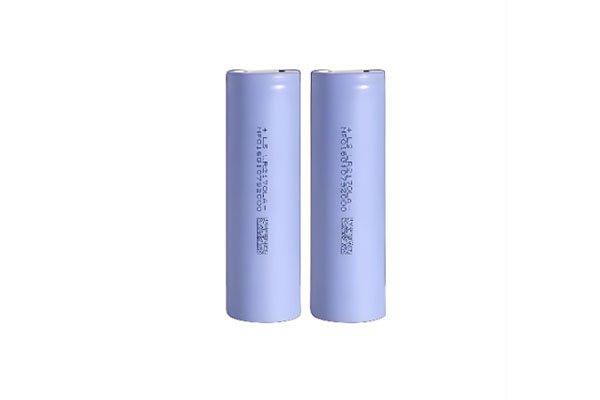
Cylindrical LTO cells typically use a metal casing. Inside the cell are the cathode, lithium titanate anode, separator, electrolyte, and other components. The electrode materials are generally wound into a cylindrical structure.This design benefits from mature manufacturing processes and relatively high mechanical strength. Cylindrical cells are also available in standardized sizes, making them convenient for modular battery pack designs.
Cylindrical LTO cells can be used in power tools, industrial equipment, small energy storage systems, and certain electric transportation applications.Multiple cylindrical cells can be connected in series and parallel to create LTO battery packs with different voltage and capacity levels.For equipment requiring modular battery configurations, cylindrical LTO cells provide considerable flexibility.
Pouch LTO Cells
Pouch LTO cells use aluminum-plastic film for their outer packaging. Compared with rigid metal housings, pouch cells can offer lower weight and efficient use of internal space.The flexible packaging format also allows manufacturers to optimize cell dimensions for specific equipment layouts. This can be useful in applications where weight and space utilization are important.
Pouch LTO cells can be used in portable equipment, specialized industrial devices, lightweight electric vehicles, and customized energy storage systems.However, pouch cells require careful attention to packaging quality and battery pack design. Mechanical support, cell expansion management, and thermal management should all be considered during system integration.
Prismatic LTO Cells
Prismatic LTO cells generally use aluminum or another rigid casing. Internally, they can use stacked or wound electrode structures. Their regular rectangular shape makes them relatively easy to arrange into battery modules.Compared with cylindrical cells, prismatic cells can provide efficient space utilization in larger battery packs and reduce unused space between individual cells.
Prismatic LTO cells are suitable for electric three-wheelers, industrial vehicles, energy storage systems, specialized vehicles, and large-capacity battery applications.For equipment requiring relatively high capacity and power output, prismatic LTO cells can simplify the development of standardized battery modules.
What Are the Differences Between LTO Cell Structures?
Choosing an LTO cell should not be based only on its physical shape. Important factors include capacity, charging and discharging rate, dimensions, weight, thermal management, cycle life, and available installation space.
If an application requires modularity and strong mechanical protection, cylindrical LTO cells may be a suitable choice. If weight and space utilization are priorities, pouch LTO cells can provide certain advantages. For electric three-wheelers and large energy storage systems, prismatic LTO cells are often convenient for battery pack integration.
LTO Cells Can Also Be Classified by C-Rate
Standard-Rate LTO Cells
Standard-rate LTO cells are designed for stable charging and discharging requirements. They can be used in energy storage systems, backup power supplies, and general-purpose power equipment.The main focus is typically on balancing battery capacity, cycle life, performance, and overall cost.
High-Rate LTO Cells
High-rate LTO cells are designed for high-current charging and discharging. Their electrode structures can be optimized for faster ion transport, while low-resistance designs can help improve overall power performance.These cells are suitable for fast-charging electric three-wheelers, industrial vehicles, AGVs, and equipment that requires frequent acceleration, braking, or high-power operation.
How to Choose the Right LTO Cell?
Choose According to Battery Capacity
Battery capacity should be determined according to the equipment’s rated power, operating time, and range requirements. An undersized battery may provide insufficient operating time, while an oversized battery can increase weight, volume, and cost.
Choose According to Charging and Discharging Rate
If an application requires fast charging or high power output over a short period, users should pay attention to the continuous and peak charging/discharging rates of the LTO cell rather than looking only at its rated capacity.
Consider the Operating Environment
For low-temperature, high-temperature, humid, or outdoor applications, it is also important to consider the LTO cell’s operating temperature range, BMS protection strategy, and the protection rating of the complete battery pack.
LTO cells offer excellent fast-charging capability, high-rate performance, and long cycle life, while different cell structures provide solutions for different product designs. Cylindrical LTO cells offer good standardization and mechanical strength, pouch LTO cells provide advantages in lightweight design and space utilization, while prismatic LTO cells are well suited to large-capacity battery modules and power storage systems.
For electric three-wheelers, electric scooters, industrial vehicles, and energy storage equipment, LTO cell selection should consider capacity, charging and discharging rate, dimensions, cycle life, thermal management, and actual operating conditions. With appropriate cell selection and battery pack design, manufacturers can maximize the advantages of lithium titanate battery technology for fast charging and high-frequency operation.